Ceiling Styles: Timber, Plaster or Metal – Which Suits Your Home Best?


Ceiling Styles: Timber, Plaster or Metal – Which Suits Your Home Best?
The ceiling is often overlooked when designing or renovating a home, yet it has a major impact on the look, feel and comfort of a space. The choice of material – whether timber, plaster or metal – can transform a room’s atmosphere and influence maintenance, acoustics and energy efficiency. Here’s a guide to the three most common ceiling types in Australian homes, their pros and cons, and how to choose the one that best suits your lifestyle and climate.
Timber Ceilings – Warm, Natural and Timeless
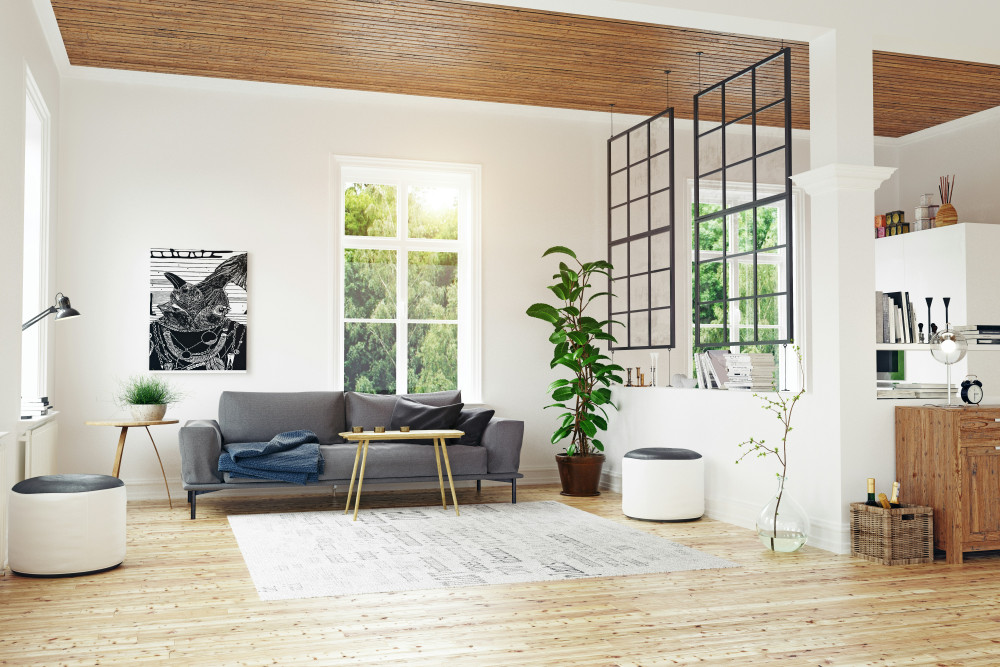
A timber ceiling brings warmth and texture to any room. From classic pine boards to sleek oak or spotted gum panels, timber adds a natural charm that works beautifully in both coastal and country-style homes. In Australia’s varied climate, timber ceilings are especially popular in living areas and outdoor spaces such as verandas and alfresco dining zones.
Advantages:
- Creates a warm, organic atmosphere.
- Improves acoustics by softening echoes.
- Can be stained, painted or oiled to match your décor.
Disadvantages:
- Requires regular maintenance to protect against humidity and fading.
- Can expand or contract with temperature changes.
- Generally more expensive than plaster.
A timber ceiling is ideal if you want a natural, character-filled look. Just be sure to choose well-seasoned timber and maintain it properly, especially in humid or coastal regions.
Plaster Ceilings – Versatile and Contemporary
Plasterboard ceilings are the most common choice in modern Australian homes. They provide a smooth, seamless finish that suits almost any interior style, from minimalist apartments to traditional Queenslanders. Plaster is also fire-resistant and works well with recessed lighting, air conditioning vents and insulation.
Advantages:
- Smooth, neutral surface that complements any design.
- Easy to paint and repair.
- Allows for integrated lighting and hidden wiring.
Disadvantages:
- Can crack if the building shifts or settles.
- Offers less texture and character than timber or metal.
- Requires skilled installation for a flawless result.
A plaster ceiling is a safe, flexible option that adapts to both modern and classic interiors. It’s also a cost-effective choice for most new builds and renovations.
Metal Ceilings – Durable and Industrial
Metal ceilings, often made from aluminium or steel, are gaining popularity in contemporary Australian architecture. They’re especially practical in kitchens, bathrooms and commercial-style homes where durability and moisture resistance are key. Available in panels, tiles or slats, metal ceilings can create a striking, modern aesthetic.
Advantages:
- Highly durable and resistant to moisture and mould.
- Low maintenance and long-lasting.
- Reflects light, brightening darker spaces.
Disadvantages:
- Can feel cold or impersonal in residential settings.
- More expensive and requires professional installation.
- May cause echoing unless paired with acoustic panels.
A metal ceiling is perfect if you’re after a sleek, industrial look or need a hard-wearing surface for high-humidity areas.
Læs også:



Choosing the Right Ceiling for Your Home
Your decision should balance style, function and budget.
- Living rooms and bedrooms: Timber adds warmth and texture.
- Kitchens and bathrooms: Plaster or metal handle moisture better.
- Modern homes: Plaster or metal suit clean, minimalist designs.
- Traditional or coastal homes: Timber complements natural materials and relaxed styling.
Also consider ceiling height and room size. A dark timber ceiling can make a small room feel cosy but may reduce the sense of space, while a light plaster ceiling can make a room feel larger and brighter.
Finding the Perfect Balance
There’s no single “right” choice – it’s about finding the balance between aesthetics and practicality. Some homeowners even mix materials, such as combining plaster with timber battens or using metal panels in wet zones and timber in living areas. By blending textures and finishes, you can create a ceiling that’s not only functional but also a defining feature of your Australian home.
Læs også: