Climate‑Conscious Maintenance: Make Roof Inspections a Regular Routine

Climate‑Conscious Maintenance: Make Roof Inspections a Regular Routine
A roof is your home’s first line of defence against Australia’s harsh sun, heavy rain, and coastal winds – but it’s also a key factor in your property’s overall environmental footprint. A well‑maintained roof lasts longer, keeps energy use down, and reduces the need for new materials over time. Regular roof inspections are therefore not just a matter of home maintenance, but a climate‑conscious choice. Here’s how to make roof checks a regular habit – and why it pays off for both the planet and your wallet.
Why Roof Inspections Are a Green Investment
When your roof performs as it should, it protects your home from moisture, heat loss, and excessive heat gain. Small issues like cracked tiles, loose flashing, or blocked gutters can quickly escalate into major repairs – and a larger carbon footprint. By spotting and fixing problems early, you extend the roof’s lifespan and avoid unnecessary waste.
Regular inspections can also reveal whether your roof insulation is doing its job. Poor insulation means heat escaping in winter and excessive heat entering in summer – both of which drive up energy consumption. A well‑sealed, well‑insulated roof is one of the most effective ways to reduce your home’s CO₂ emissions and keep energy bills under control.
Læs også:

How to Carry Out a Thorough Roof Inspection
A roof inspection doesn’t have to be complicated, but it does require consistency. Many checks can be done safely from the ground, while more detailed assessments are best left to a professional roofer.
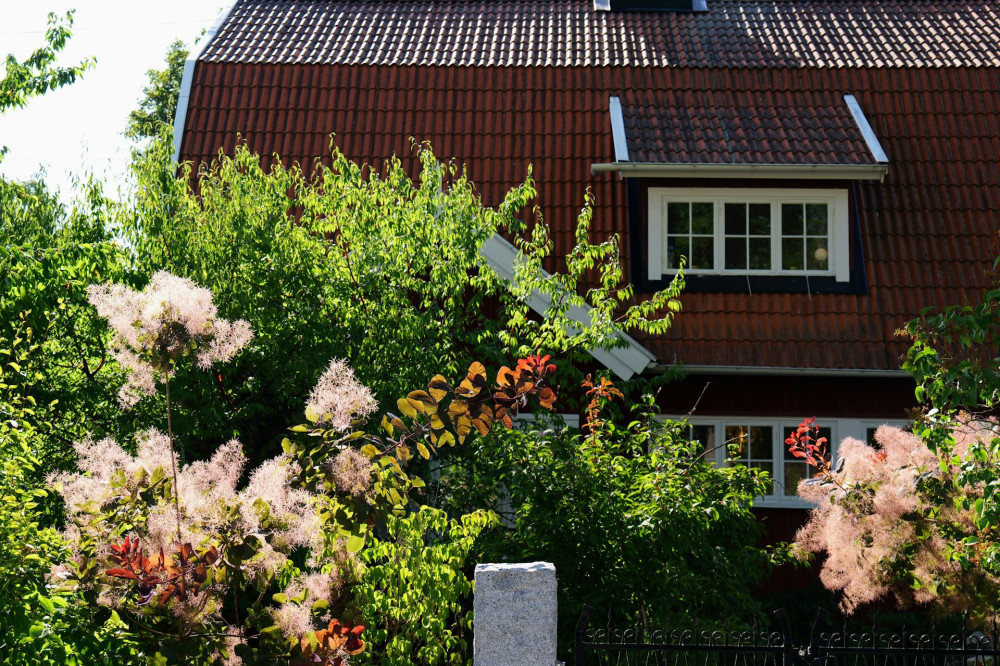
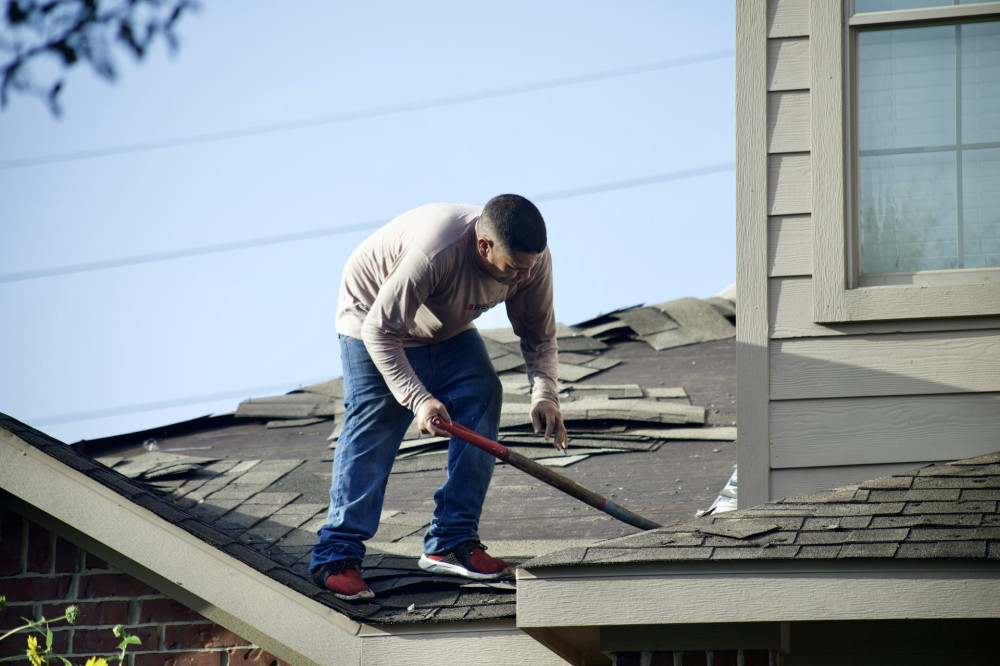
- Start with a visual check from the ground. Look for discoloured patches, missing or cracked tiles, sagging areas, or signs of moss and lichen growth.
- Clear gutters and downpipes of leaves and debris. Blocked gutters can cause water to back up and damage eaves or walls.
- Inspect the ceiling and roof space for damp spots, mould, or musty smells – all signs of possible leaks.
- Check flashing and seals around chimneys, skylights, and vents, as these are common points for water ingress.
- Book a professional inspection every couple of years. A qualified roofer can identify early signs of wear that aren’t visible to the untrained eye.
Combining your own routine checks with expert assessments gives you the best chance of keeping your roof in top condition.
Choose Sustainable Materials and Solutions
If your roof needs repair or replacement, it’s the perfect opportunity to make sustainable choices. Many modern roofing materials are designed with durability, recyclability, and energy efficiency in mind.
- Recycled or reclaimed tiles can give your roof a fresh look with minimal environmental impact.
- Metal roofing made from recycled steel or aluminium is durable, reflective, and ideal for solar panel installation.
- Cool roof coatings reflect sunlight and reduce heat absorption, helping to keep your home cooler in summer.
- Green or living roofs with native plants can improve insulation, absorb rainwater, and support local biodiversity.
- Solar panels or solar tiles can turn your roof into a renewable energy source, cutting both emissions and electricity costs.
By choosing materials with proven environmental credentials, you reduce waste, save energy, and add long‑term value to your property.
Make Roof Inspections Part of Your Yearly Routine
In Australia’s varied climate, the best times for roof inspections are spring and autumn. After summer, check for damage from heat and storms; before winter, make sure your roof is ready for rain and wind.
Set a reminder to inspect your roof twice a year. Keep notes or photos of what you find so you can track changes over time. This simple habit makes it easier to plan maintenance and avoid costly surprises.
Small Steps, Big Impact
Climate‑conscious maintenance isn’t about major investments overnight – it’s about taking small, consistent actions that add up. A well‑maintained roof saves energy, extends your home’s lifespan, and reduces the demand for new materials.
By making roof inspections a regular routine, you’re not just protecting your home – you’re contributing to a more sustainable future for Australia.
Læs også: