Daylight as a Sustainable Resource in Modern Architecture


Daylight as a Sustainable Resource in Modern Architecture
Daylight is one of the most abundant yet underutilised resources in modern architecture. It is free, renewable, and has proven benefits for both human wellbeing and building performance. As sustainability and indoor comfort become central themes in Australian architecture, the role of natural light is gaining renewed attention. But how can architects harness daylight effectively in a country known for its intense sun and diverse climates?
Daylight as an Energy and Comfort Resource
When used wisely, daylight can significantly reduce the need for artificial lighting, lowering electricity consumption and greenhouse gas emissions. At the same time, natural light enhances the quality of indoor environments. Studies show that people working or studying in well‑daylit spaces experience higher productivity, better sleep, and improved mental health.
However, daylight design is not simply about maximising sunlight. In Australia’s sunny climate, excessive solar gain can lead to overheating and glare, increasing the demand for cooling. The sustainable solution lies in balance – designing buildings that manage light, heat, and comfort in harmony.
Designing with Light in Mind
In contemporary architecture, daylight is no longer an afterthought but a key design parameter. Architects and engineers consider the movement of the sun from the earliest stages of design. Building orientation, window placement, and room depth all influence how light enters and moves through a space throughout the day and across the seasons.
- North‑facing windows in Australia capture consistent, soft light ideal for living areas and workspaces.
- East‑ and west‑facing windows bring in strong morning or afternoon sun and often require shading to prevent glare and heat build‑up.
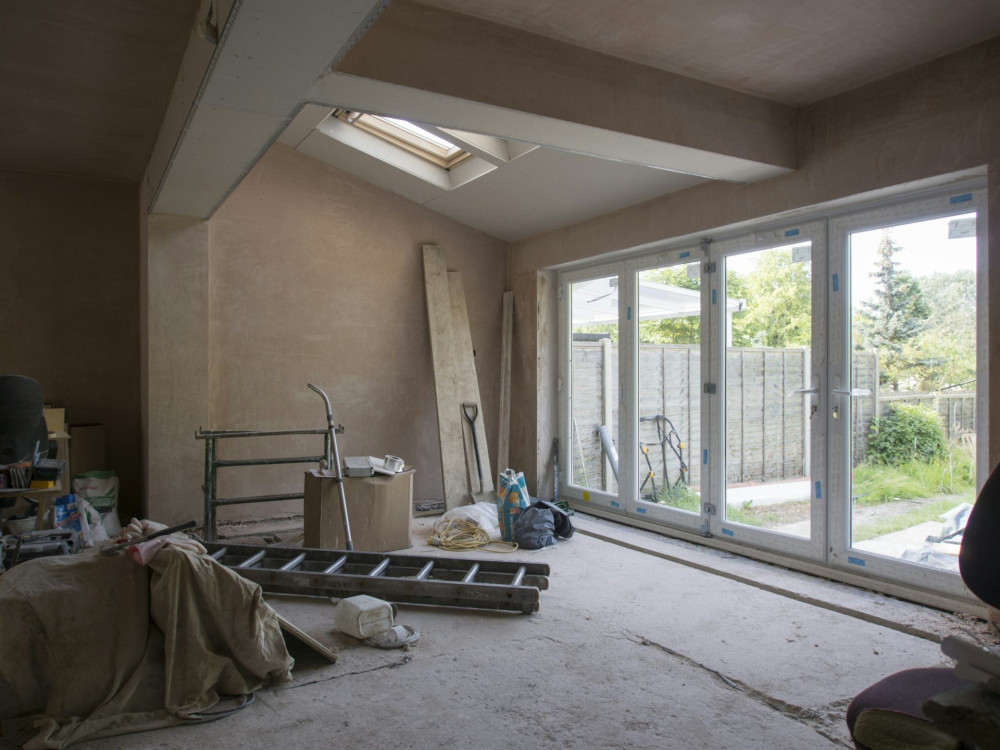
- Skylights and light wells can deliver daylight deep into the building’s core, reducing reliance on artificial lighting.
- Reflective surfaces and light‑coloured materials help distribute light evenly and create a sense of spaciousness.
By combining these strategies, architects can create buildings that are both visually appealing and energy efficient.
Læs også:

Technology and Simulation Tools
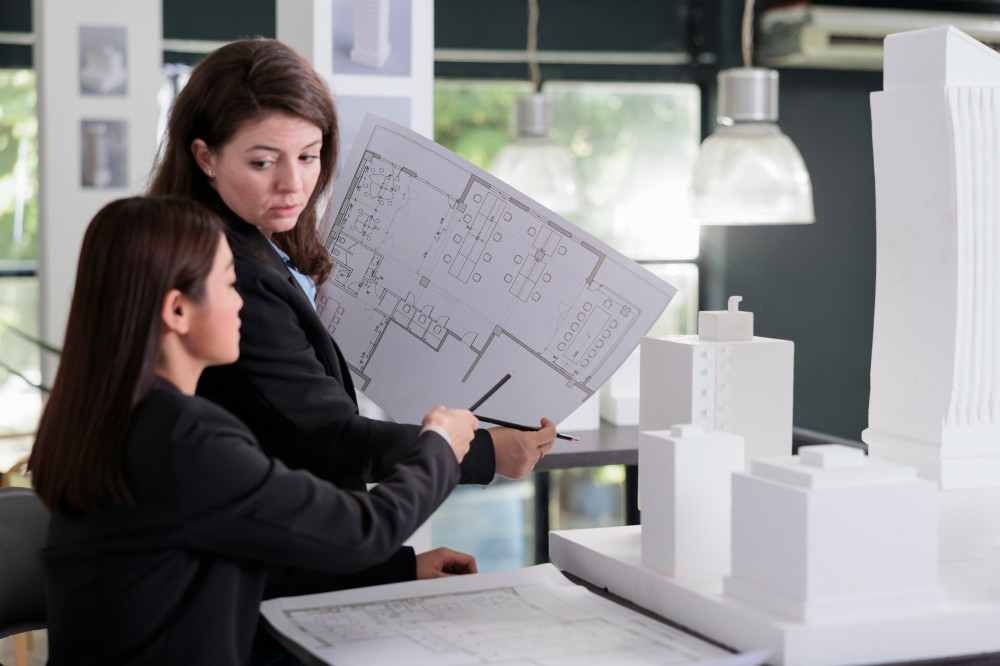
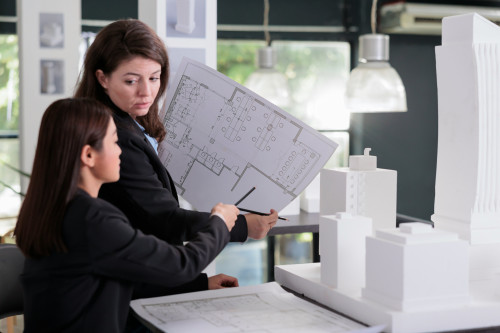
Digital design tools have revolutionised the way architects work with daylight. Advanced software can simulate the sun’s path and predict how light levels will change throughout the year. This allows designers to optimise window sizes, glazing types, and shading systems to achieve the best balance between daylight and energy performance.
Emerging technologies are also transforming how buildings respond to sunlight. Dynamic façades, automated blinds, and electrochromic glass can adjust in real time to control glare and heat while maintaining natural illumination. These innovations make daylighting more precise, comfortable, and sustainable.
Health and Wellbeing Benefits
As Australians spend more time indoors, the quality of light in our homes, schools, and workplaces becomes increasingly important. Daylight influences our circadian rhythms, mood, and concentration. Spaces designed with good daylight access can enhance learning outcomes, boost productivity, and improve overall wellbeing.
Buildings that prioritise daylight often feel more open, vibrant, and connected to the outdoors – qualities that resonate strongly with the Australian lifestyle and climate.
Towards a Brighter, More Sustainable Future
Daylight is a resource that will never run out, and its thoughtful use can contribute to environmental, economic, and social sustainability. The future of Australian architecture will depend on how effectively we integrate natural forces – especially sunlight – into our built environment.
By designing with daylight from the outset, we can create buildings that consume less energy, support human health, and celebrate the beauty of natural light. It is an investment in both people and the planet – and one of the simplest, most powerful steps toward a more sustainable future.
Læs også: