Prevent Mould in Your Basement with the Right Measures


Prevent Mould in Your Basement with the Right Measures
A basement can be a valuable part of your home – perfect for storage, a workshop, or even an extra living area. But basements are also prone to dampness, and where there’s moisture, mould can quickly take hold. Mould thrives in dark, humid spaces and can damage both your property and your indoor air quality. Fortunately, with the right measures, you can prevent mould before it becomes a problem. Here’s how to keep your basement dry, healthy, and mould-free.
Understand the Cause – Moisture Is the Main Culprit
Mould develops when moisture meets organic material. In Australian homes, basement dampness can come from several sources:
- Rising damp – when moisture seeps up through the foundation.
- Leaking walls or floors – common in older homes without modern waterproofing.
- Condensation – when warm, humid air meets cool surfaces.
- Plumbing leaks or poor drainage – which allow water to slowly infiltrate the structure.
The first step in prevention is identifying where the moisture comes from. Without addressing the source, cleaning or repainting will only provide a temporary fix.
Ensure Proper Ventilation
Good airflow is one of the most effective ways to prevent mould. Many basements have limited ventilation, allowing humidity to linger.
- Air out the space regularly, especially after rain or humid weather. Open windows or vents on opposite sides to create cross-ventilation.
- Install mechanical ventilation if natural airflow is limited. A small exhaust fan or ventilation system can help maintain consistent humidity levels.
- Avoid drying clothes in the basement unless there’s strong ventilation. Clothes release large amounts of moisture that can quickly settle on walls and floors.
A simple hygrometer can help you monitor humidity levels. Aim to keep indoor humidity below 60%.
Læs også:


Keep the Basement Dry
Even with good ventilation, moisture can still enter from outside. Keeping the basement dry is key to long-term mould prevention.
- Check gutters and downpipes – make sure they direct water away from the house, not toward it.
- Ensure proper ground slope around your home so rainwater drains away from the foundation.
- Use a dehumidifier during humid months, especially in coastal or tropical regions where moisture levels are high.
- Keep items away from walls – leave at least 5–10 cm of space so air can circulate freely.
If you notice damp patches or discolouration, act quickly. The sooner you address moisture, the less chance mould has to spread.
Choose the Right Materials
The materials you use in your basement can make a big difference in preventing mould.
- Avoid organic materials like timber, carpet, or plasterboard directly on walls and floors. These can absorb moisture and feed mould growth.
- Use breathable paints and coatings that allow walls to release trapped moisture.
- Opt for moisture-resistant flooring such as tiles, sealed concrete, or epoxy if you plan to use the basement regularly.
If you’re converting your basement into a living space, it’s wise to have a professional assess the moisture conditions first. This can save you from costly repairs later.
Clean and Maintain Regularly
Even a dry basement needs regular cleaning to prevent dust and spores from accumulating.
- Vacuum and mop floors frequently.
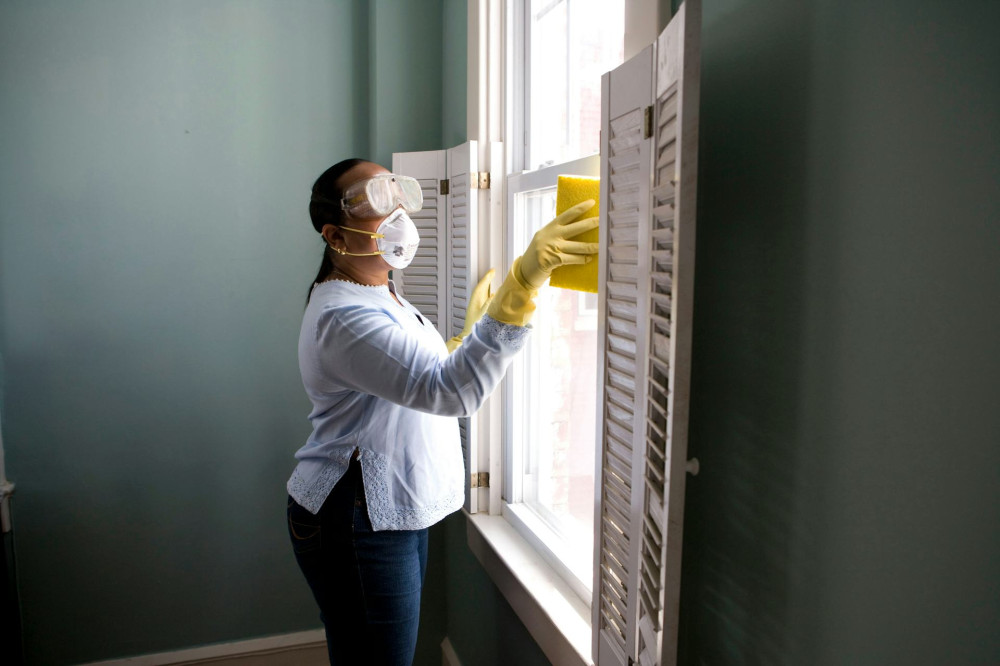
- Wipe down walls, windowsills, and corners with a damp cloth.
- Watch for musty odours – a stale or earthy smell is often the first sign of mould growth.
If you find mould, remove it promptly. Small patches can often be cleaned with vinegar or a mild detergent, but for larger infestations, it’s best to call a professional mould remediation service.
When Moisture Becomes a Bigger Problem
If your basement repeatedly becomes damp or you see visible mould, it’s time for a professional inspection. A building or waterproofing specialist can measure moisture levels and identify the root cause. In some cases, you may need external waterproofing, improved drainage, or a new damp-proof membrane.
While these solutions can be an investment, they’re far cheaper than repairing structural damage or dealing with long-term health issues caused by mould exposure.
A Healthy Basement Requires Ongoing Care
Preventing mould isn’t just about reacting when you see it – it’s about building good habits. Regular ventilation, moisture control, and maintenance make all the difference. A dry, well-ventilated basement not only protects your home’s structure but also contributes to a healthier living environment for your whole family.
Læs også: