Choose the Right Brick Size for Your New Build

Choose the Right Brick Size for Your New Build
When planning a new home, the size of your bricks might not be the first thing you think about—but it can have a big impact on the look, cost, and construction of your build. Brick size influences the proportions of your façade, the rhythm of the brickwork, and even how quickly your builder can complete the job. Choosing the right size helps create a home that feels balanced, well‑designed, and suited to its surroundings. Here’s a guide to help you make the right choice for your Australian new build.
What Does Brick Size Mean?
Brick size refers to the brick’s length, height, and depth. In Australia, several standard sizes are commonly used, each with its own advantages. The most typical are:
- Standard Brick – 230 x 110 x 76 mm
- Slimline Brick – 290 x 90 x 50 mm
- Double Height Brick – 230 x 110 x 162 mm
- Long Format Brick – e.g. 290 x 90 x 70 mm
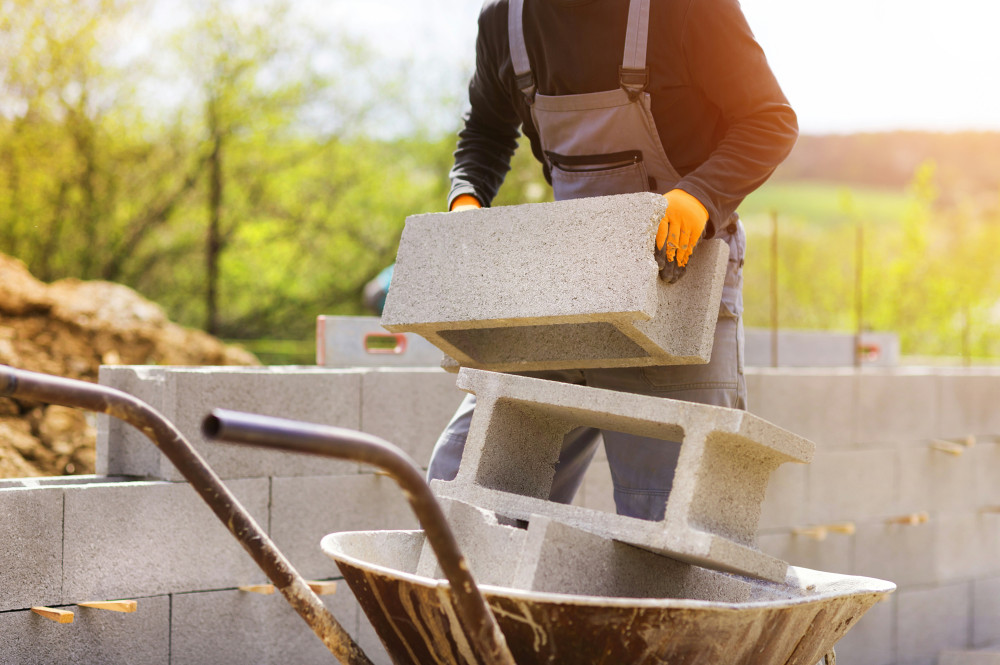
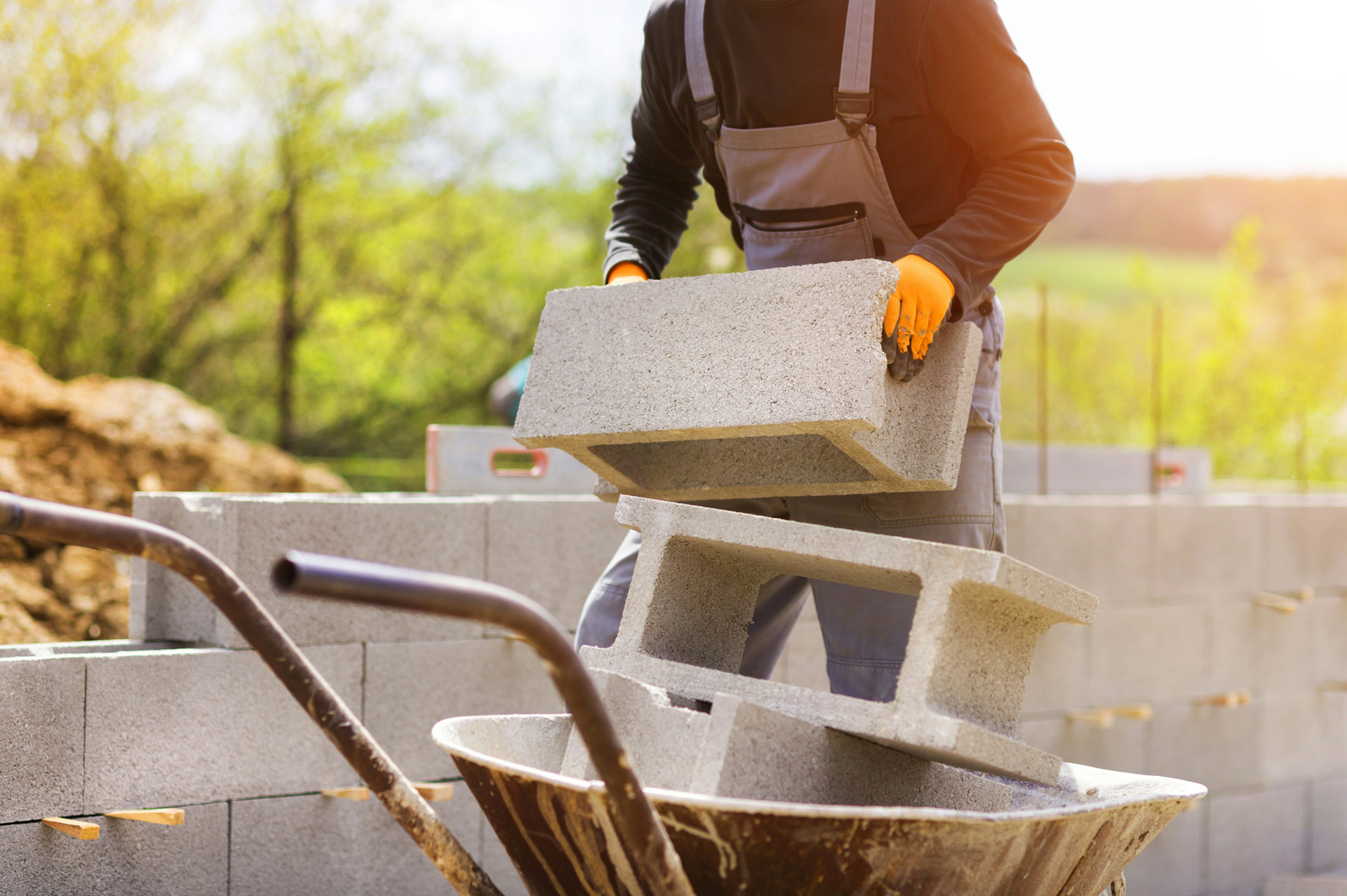
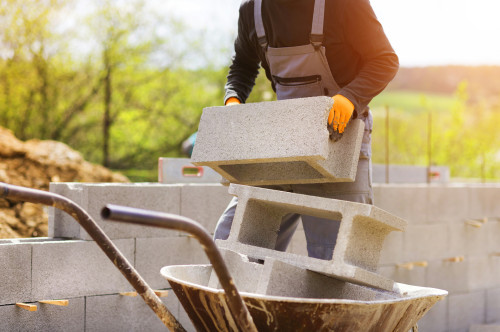
- Block Brick (or Brick Block) – 390 x 190 x 190 mm
While the differences may seem small, they can dramatically change the appearance of your home. A long, low brick gives a sleek, modern look, while a taller brick creates a more traditional, solid feel.
Architecture and Proportion
Your choice of brick size should complement your home’s architectural style. A coastal contemporary home in Queensland might suit a long, slim brick that emphasises horizontal lines, while a Federation‑style home in Sydney or Melbourne often looks best with a standard or double‑height brick that reflects traditional proportions.
- Classic or Heritage Style: Standard or double‑height bricks maintain a familiar, timeless look.
- Modern or Minimalist Style: Long or slimline bricks highlight clean lines and a streamlined façade.
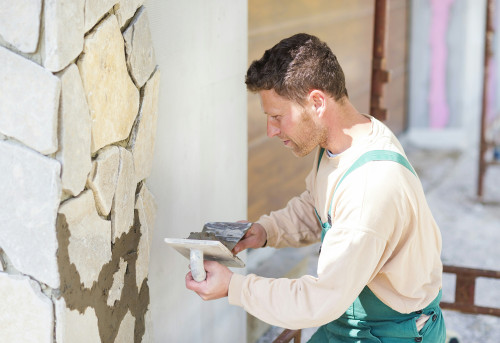
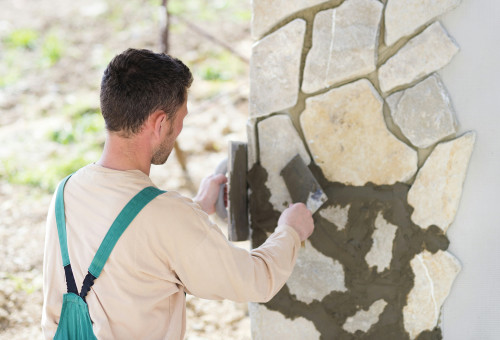
- Rural or Rustic Style: Larger, textured bricks can add warmth and character to country homes.
It’s worth visiting display homes or brick suppliers to see full walls built with different sizes. Seeing the brickwork in context helps you understand how proportions and mortar joints affect the overall appearance.
Læs også:
Cost and Construction Time
Brick size also affects your budget and build time. Larger bricks or blocks mean fewer units per square metre, which can speed up construction and reduce labour costs. However, specialty sizes or imported formats may cost more per brick and require more precise workmanship.
For most residential projects, the standard brick remains a cost‑effective and versatile choice. If you’re after a distinctive look, slimline or long format bricks can add architectural interest, but check with your builder about any additional handling or laying requirements.
Colour, Texture, and Mortar
Brick size should always be considered alongside colour and surface finish. A light, smooth, long brick can create a refined, contemporary look, while a rough, darker brick in a standard size feels more traditional and grounded.
Mortar joints also play a key role. Thin joints emphasise the brick’s shape and size, while thicker joints soften the pattern and can make the wall appear more rustic. Discuss with your architect or bricklayer how the combination of size, colour, and mortar will work together to achieve your desired aesthetic.
Practical Considerations and Availability
Not all brick sizes are readily available across Australia. Standard bricks are stocked by most suppliers and come in a wide range of colours and finishes. Slimline or long format bricks may have longer lead times or limited colour options. If you choose a non‑standard size, make sure you can source enough for the entire project—including future repairs or extensions.
Some sizes may also require special detailing around corners, windows, and foundations. Involving your builder or bricklayer early in the design process ensures these details are planned correctly.
How to Choose the Right Size
When deciding on brick size, start by asking yourself three key questions:
- What look do I want? Classic, modern, or rustic?
- What suits my budget and construction method?
- How will the brick size work with colour, texture, and the surrounding environment?
By balancing these factors, you can select a brick size that enhances your home’s design and stands the test of time. The right choice will give your new build a cohesive, lasting beauty—one that feels just right every time you come home.
Læs også: