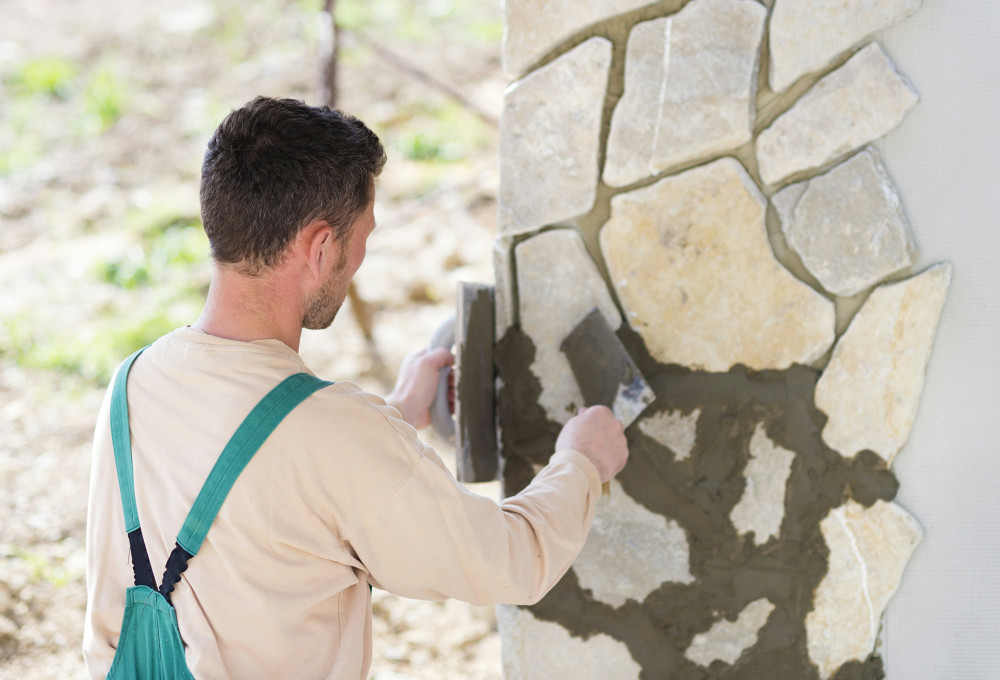
The History of Brickwork: How It Has Shaped the Urban Landscape Over Time

The History of Brickwork: How It Has Shaped the Urban Landscape Over Time
For thousands of years, brickwork has been one of humanity’s most enduring building methods – from ancient clay bricks baked in the sun to the sleek, engineered facades of modern cities. It has shaped not only our buildings but also our culture, identity, and sense of place. The story of brickwork is, in many ways, the story of civilisation itself: how people have used the earth beneath their feet to create lasting structures that define the spaces we live in.
From Earth and Fire: The Origins of Brickmaking
The earliest known bricks were made in Mesopotamia and Egypt, where builders used mud mixed with straw, dried in the sun to form sturdy blocks. These simple materials allowed people to construct permanent dwellings and city walls – a revolutionary step in human settlement. Over time, the technique spread across continents, evolving with local materials and climates.
When fired bricks were developed, they offered greater strength and resistance to weather. This innovation laid the foundation for cities that could endure for centuries. Across Asia, Europe, and the Middle East, brick became a symbol of permanence and progress.
Læs også:

The Roman Legacy: Engineering in Brick and Stone
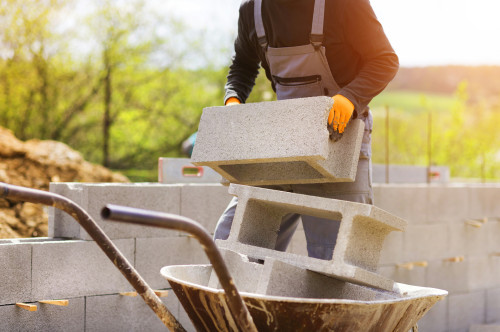
The Romans elevated brickwork to an art of engineering. They refined the use of fired bricks and combined them with mortar and concrete to create arches, vaults, and domes that still stand today. Their aqueducts, baths, and amphitheatres demonstrated how brick could be both functional and beautiful. Roman techniques spread throughout their empire, influencing building traditions across Europe and beyond.
Brickwork in the Age of Exploration and Colonisation
As European powers expanded across the globe, they brought their building traditions with them. In Australia, brickmaking began soon after the arrival of the First Fleet in 1788. Early settlers used local clay to produce handmade bricks for houses, barracks, and public buildings. Brick quickly became a symbol of permanence in a new and often harsh environment, contrasting with the timber structures that were more vulnerable to fire and decay.
By the mid-19th century, brickmaking had become a thriving industry in Australia. Local clays produced distinctive colours – from the deep reds of Sydney to the pale creams of Adelaide – giving each region its own architectural character. Brickwork became a defining feature of colonial towns, from Georgian terraces to grand civic buildings.
The Industrial Age: Brick as the Fabric of the Modern City
The industrial revolution transformed brick production. Mechanised kilns and presses made it possible to produce bricks on a massive scale, fuelling the rapid growth of cities. In Australia, this period saw the rise of brick factories and the expansion of suburbs built from durable, affordable materials.
Brick became the face of progress. Factories, railway stations, schools, and homes were all built in brick, reflecting both practicality and pride. The Federation style of the late 19th and early 20th centuries celebrated brick’s decorative potential, with patterned facades, arches, and contrasting colours that gave Australian streets their distinctive warmth and texture.
The 20th Century: Modernism and Reinvention
With the advent of modernism, new materials like steel, concrete, and glass began to dominate architecture. Brick was sometimes seen as old-fashioned – a relic of the past. Yet it never disappeared. Instead, it adapted. Architects began to use brick in new ways: as a textural counterpoint to smooth modern surfaces, or as a sustainable, low-maintenance material suited to Australia’s climate.
Post-war housing booms cemented brick’s place in Australian life. The “brick veneer” home became a suburban icon – affordable, durable, and familiar. Even as architectural styles changed, brick remained a constant presence in the Australian landscape.
Brickwork Today: Sustainability and Design in Harmony
In the 21st century, brickwork is experiencing a renaissance. With growing awareness of sustainability and the environmental impact of construction, brick’s longevity and recyclability have renewed its appeal. Reclaimed bricks, low-carbon production methods, and innovative mortar technologies are helping to reduce emissions while preserving the material’s timeless beauty.
Architects are once again celebrating brick’s tactile and visual qualities. Contemporary Australian buildings often combine traditional brickwork with modern design principles – blending heritage with innovation. From restored warehouses in Melbourne to new eco-friendly homes in Brisbane, brick continues to tell stories of place, resilience, and craftsmanship.
A Living Heritage
Brickwork is more than a building technique; it is a cultural legacy. Each wall, each pattern, and each colour reflects the history of the people who made and laid it. In Australia, brickwork connects the colonial past with the sustainable future, linking generations through the built environment.
As cities evolve, brick remains a symbol of endurance and identity – a reminder that even in an age of rapid change, some materials continue to ground us, both literally and figuratively, in the landscapes we call home.
Læs også: