Clean work shoes last longer – here’s how

Clean work shoes last longer – here’s how
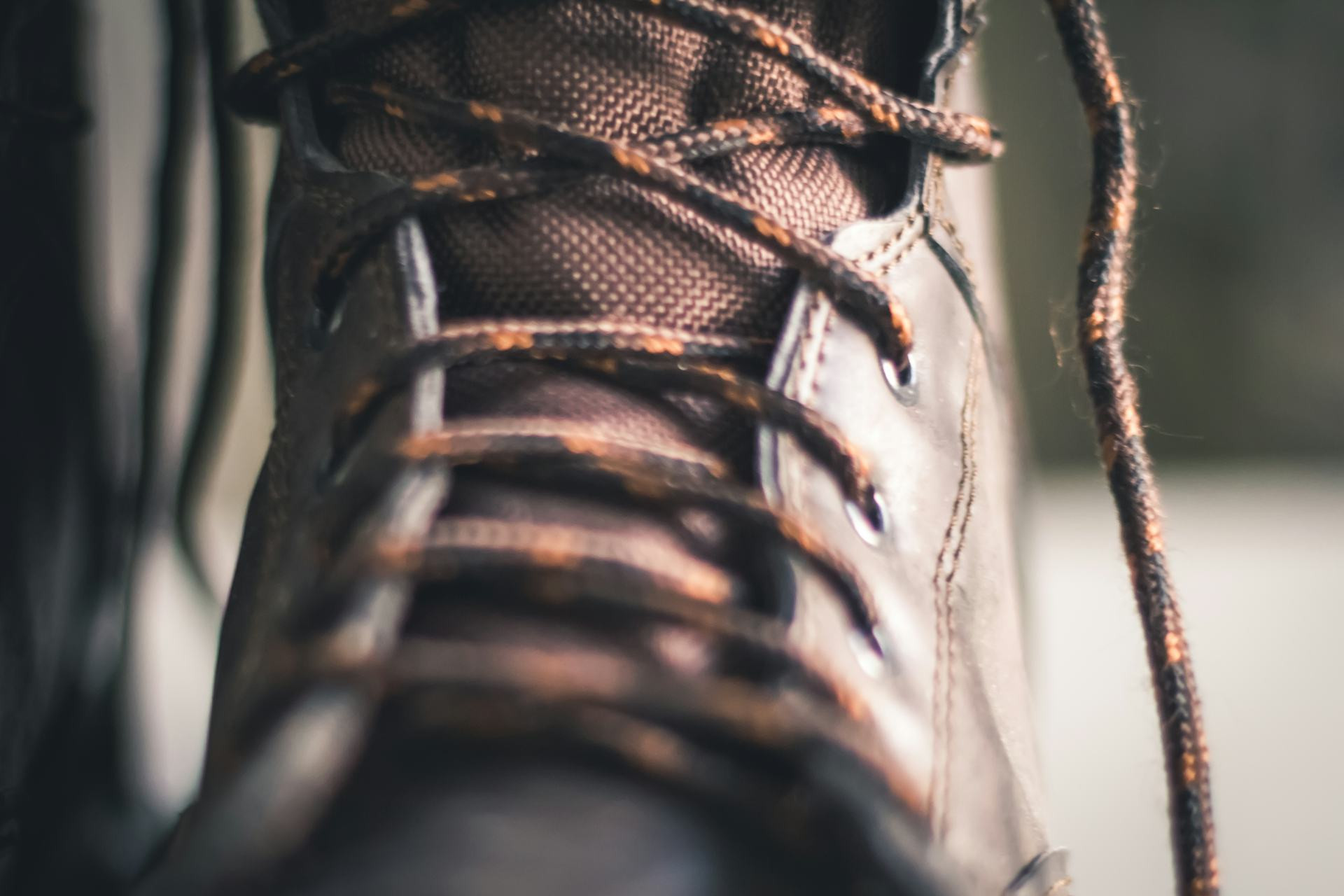
For many Australians working in construction, mining, manufacturing, or healthcare, a good pair of work shoes is essential. They protect your feet, provide support, and help you stay safe on the job. But like any other piece of gear, they need proper care to last. Dust, mud, oil, and moisture can quickly wear them down if you don’t look after them. Here’s how to keep your work shoes clean, comfortable, and durable for as long as possible.
Why cleaning makes a difference
It might seem like a small thing, but regular cleaning has a big impact on how long your work shoes last. When dirt, cement, or chemicals build up, they can break down the materials. Leather can dry out and crack, fabric can lose its breathability, and soles can become slippery or stiff. Moisture and grime can also lead to bacteria and unpleasant odours.
By cleaning your shoes regularly, you’re not just keeping them looking good – you’re maintaining their comfort, safety, and performance. A clean shoe is a shoe that does its job properly.
Step-by-step cleaning guide
The best cleaning method depends on the material, but the basic steps are the same:
-
Remove loose dirt Start by brushing off dust, sand, and dried mud with a soft brush or damp cloth. This prevents grit from scratching or damaging the surface.
-
Wash the surface Use lukewarm water and a mild soap. Avoid harsh detergents, as they can weaken the material. For leather shoes, use a leather cleaner; for fabric or mesh shoes, a gentle hand wash is usually enough.
-
Dry them properly Let your shoes dry naturally at room temperature – never in direct sunlight or near a heater. High heat can warp soles and crack leather. To speed up drying, remove the insoles and stuff the shoes with newspaper to absorb moisture.
-
Condition and protect Once dry, apply leather conditioner, wax, or a waterproofing spray depending on the material. This helps protect against water, dust, and wear – especially important in Australia’s hot, dusty, or humid conditions.
-
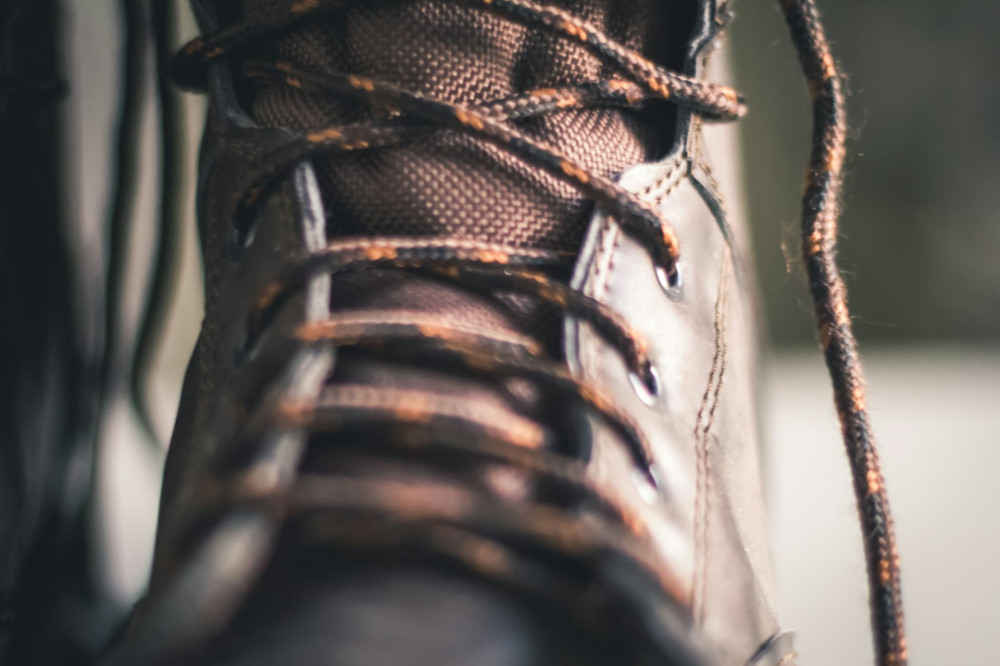
Clean soles and laces Don’t forget the soles – they often collect oil, grease, and small stones that can make them slippery. Laces can be washed separately or replaced if they’re worn out.
Common mistakes to avoid
Many work shoes wear out faster than they should because of poor maintenance. Here are some common pitfalls:
- Washing them in the machine. The agitation and heat can damage glue and stitching.
- Drying them too quickly. Direct heat causes cracking and deformation.
- Skipping waterproofing. Without protection, water and dirt penetrate more easily.
- Wearing them while still damp. Moist shoes lose their shape and can cause odour or blisters.
A few minutes of care after each shift can save you money and discomfort in the long run.
Storage matters too
When you’re not wearing your work shoes, store them in a dry, ventilated place. Avoid leaving them in a hot ute or a damp shed, where they can become stiff or mouldy. Use shoe trees or stuff them with paper to help maintain their shape, especially if they’re leather.
If you have more than one pair, rotate them. Giving each pair time to dry completely between uses reduces wear and keeps them fresher for longer.
Don’t forget the inside
Even the best exterior care won’t help if the inside is neglected. Remove insoles regularly and let them air out. If they start to smell, sprinkle a bit of baking soda inside overnight to absorb odour and moisture. Replace insoles when they lose cushioning or support.
Læs også:

A little maintenance goes a long way
Clean, well-maintained work shoes aren’t just about appearance – they mean better comfort, safety, and durability. With a few simple habits, you can extend their lifespan significantly and avoid unpleasant surprises like wet feet or slippery soles.
So next time you clock off, take five minutes to brush, dry, and protect your shoes. Your feet – and your wallet – will thank you.
Læs også: