Stay Warm and Protect Yourself from the Weather with the Right Personal Protective Equipment


Stay Warm and Protect Yourself from the Weather with the Right Personal Protective Equipment
Australia’s climate can be unpredictable. From chilly mornings in the southern states to sudden downpours in the tropics, outdoor workers face a wide range of weather conditions. Whether you’re on a construction site in Melbourne, maintaining infrastructure in the outback, or working along the coast, the right personal protective equipment (PPE) helps you stay comfortable, safe, and focused on the job. Here’s how to choose gear that keeps you protected from the elements all year round.
Layering – the key to comfort and flexibility
The layering principle is one of the most effective ways to manage body temperature and adapt to changing conditions throughout the day. It allows you to add or remove layers as the weather shifts.
- Base layer: Choose moisture-wicking materials such as merino wool or technical synthetics that draw sweat away from your skin. This keeps you dry and prevents chills when temperatures drop.
- Mid layer: This layer provides insulation. Fleece, wool, or quilted jackets trap warmth without restricting movement.
- Outer layer: Your outer shell should protect against wind and rain. Look for waterproof and breathable jackets with sealed seams and adjustable cuffs to keep out moisture and dust.
By combining layers correctly, you can stay warm during cold mornings and cool down easily when the sun comes out.
Hands, feet, and head – protect the most exposed areas
Extremities lose heat quickly, and exposure can lead to discomfort or even injury. Proper protection for your hands, feet, and head is essential.
- Gloves: Select gloves suited to your task. Lightweight, insulated gloves are ideal for precision work, while heavy-duty waterproof gloves are better for wet or cold conditions.
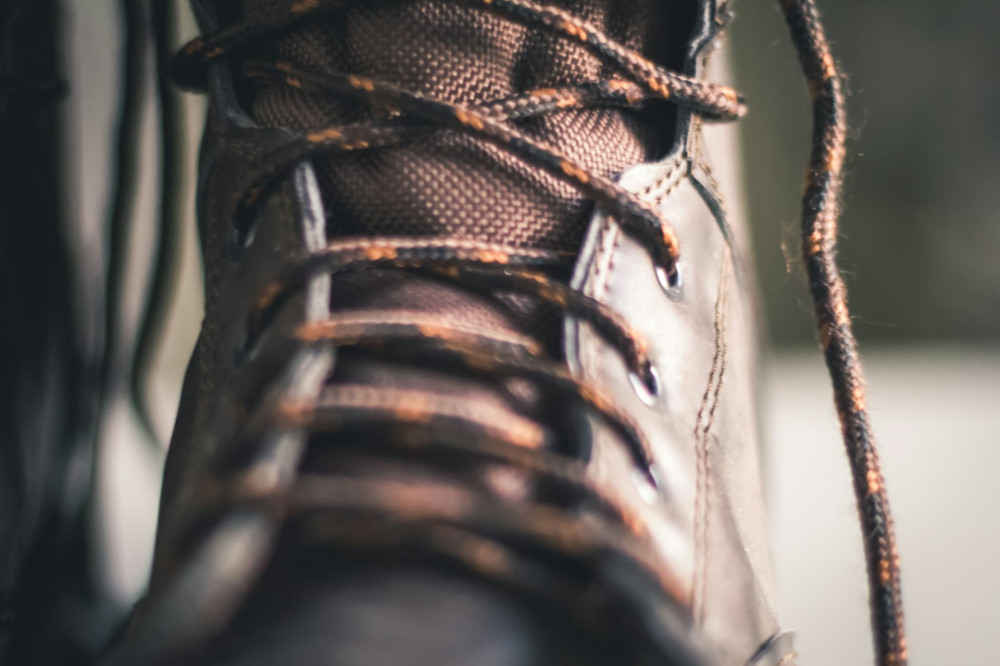
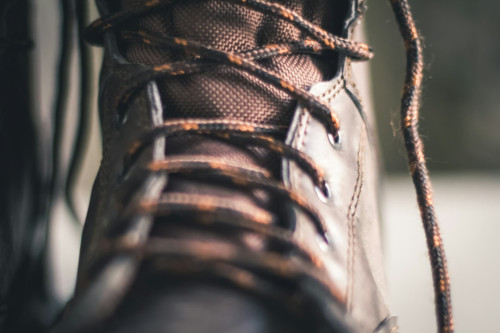
- Footwear: Choose safety boots that meet Australian Standards (AS 2210) and offer both insulation and slip resistance. Waterproof materials and breathable linings help keep your feet dry and comfortable.
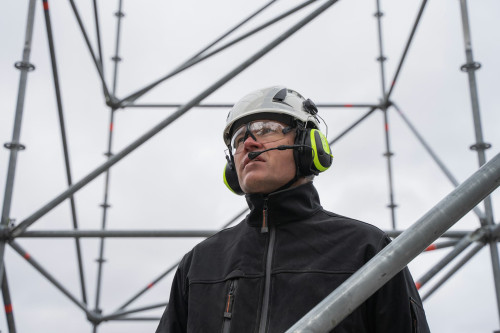
- Headwear: A beanie or helmet liner can make a big difference on cold mornings. In hot or sunny conditions, use a wide-brimmed hat or a neck flap under your helmet to protect against UV exposure.
Small adjustments in your gear can significantly improve comfort and reduce the risk of cold stress or heat-related fatigue.
Læs også:
Rain, wind, and sun – choose materials wisely
Australia’s weather can swing from heavy rain to intense sun within hours. Your PPE should be able to handle both extremes.
For wet conditions, look for garments with a waterproof rating of at least 10,000 mm and good breathability to prevent internal moisture build-up. Features like taped seams, storm flaps, and adjustable hoods help keep you dry.
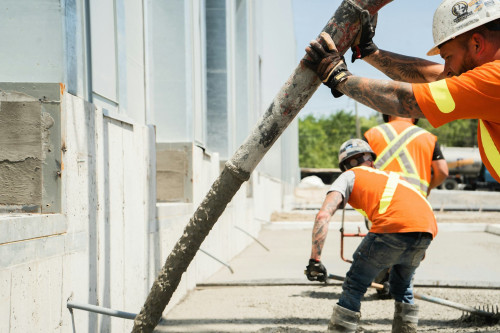
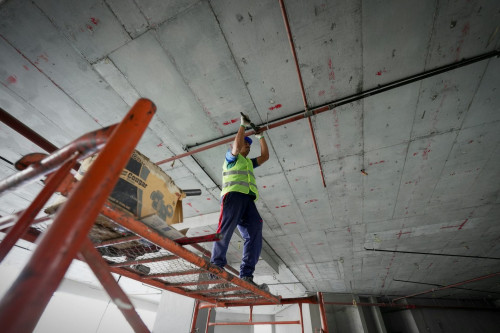
In sunny or hot environments, UV-protective and lightweight fabrics are essential. High-visibility clothing that meets AS/NZS 4602.1 ensures you remain visible in low light or dusty conditions, while breathable materials help prevent overheating.
Safety and comfort go hand in hand
PPE isn’t just about compliance – it’s about ensuring you can work safely and efficiently. When you’re too cold, too hot, or soaked through, concentration drops and the risk of accidents increases. Investing in the right gear supports both safety and productivity.
Always make sure your PPE fits properly. Gloves that are too large or boots that are too tight can cause discomfort and reduce dexterity. Try on your gear before use, and check that it meets relevant Australian safety standards.
Maintenance extends the life of your gear
Even the best PPE won’t perform well if it’s not cared for properly. Follow washing instructions carefully – excessive heat or harsh detergents can damage waterproof coatings and insulation. Reapply water-repellent treatments when needed to maintain protection.
Inspect your gear regularly for wear and tear, especially at seams, zippers, and reflective strips. Replace damaged items promptly to ensure you’re always protected.
Ready for every season
From the cold winds of Tasmania to the humid heat of Queensland, Australian workers face diverse weather challenges. With the right personal protective equipment, you can stay warm, dry, and safe – no matter the conditions. The key is to balance function, comfort, and safety so you can focus on the job, not the weather.
Læs også: