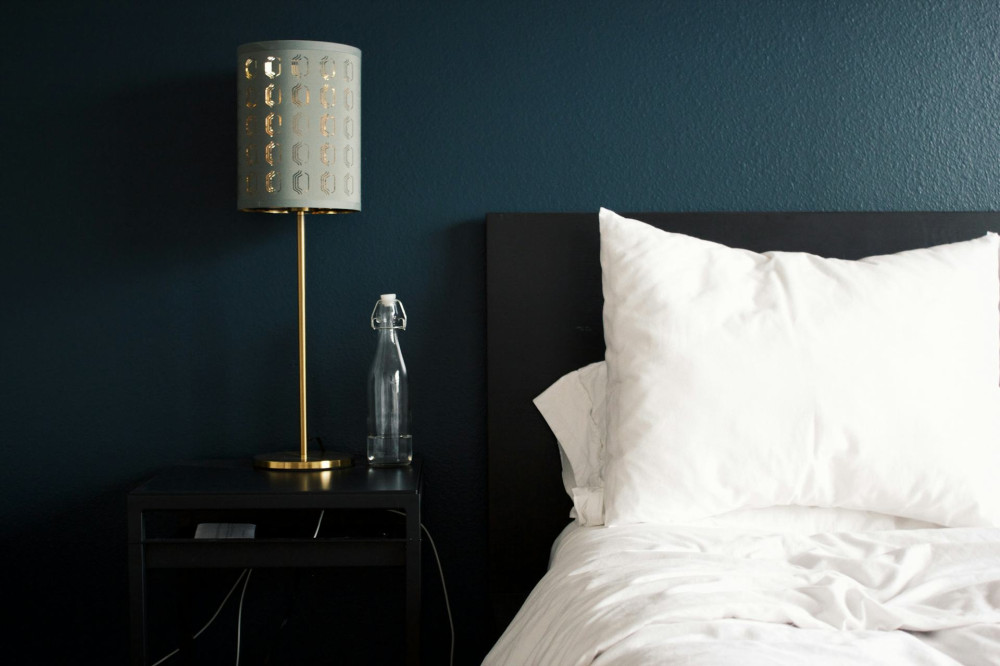
Create a Calm Bedroom with Soothing Colours

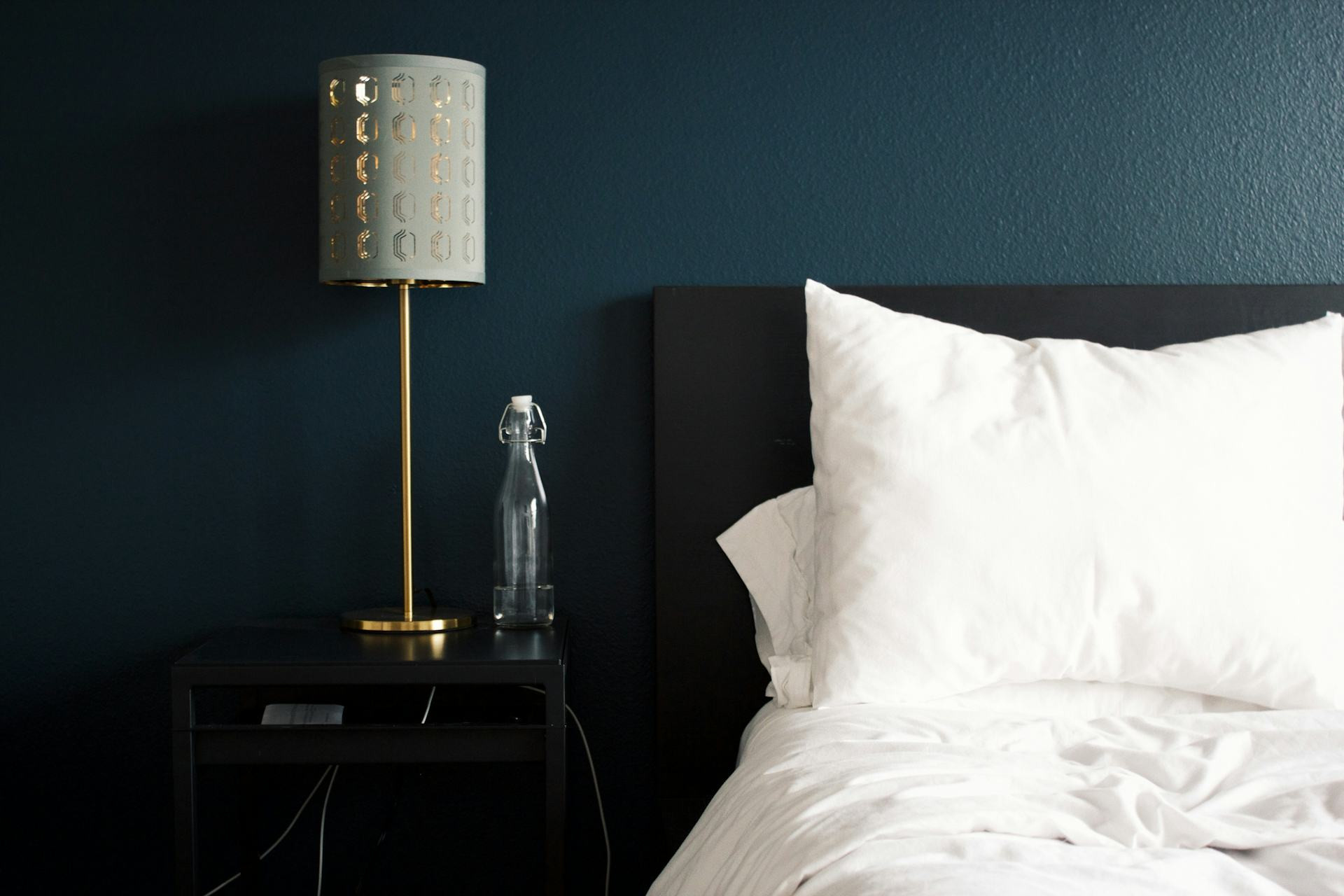
Create a Calm Bedroom with Soothing Colours
The bedroom should be a place where you can unwind, recharge, and escape the busyness of everyday life. Yet it’s often the room we give the least attention when decorating. The colours you choose for your walls, bedding, and furniture have a powerful effect on how the space feels – and on how well you sleep. Soft, soothing tones can create a sense of harmony that quiets the mind and helps you relax. Here’s how to use colour and simple styling choices to bring calm into your bedroom.
The power of colour for rest and relaxation
Colours influence us both physically and emotionally. Bright, saturated shades like red or orange can feel energising, but they may also be too stimulating when you’re trying to wind down. Muted hues – such as dusty blue, sage green, sand, beige, or warm greys – tend to have a calming effect. They echo the colours of nature and evoke feelings of comfort and stability.
If you want your bedroom to feel restful, choose colours with low contrast and a matte finish. This creates a soft, cohesive look that’s easy on the eyes and helps the space feel more peaceful.
Building a harmonious colour palette
Start with one main colour and build around it using related tones. For example:
- Blue-grey and soft green – evoke the freshness of the ocean and bushland, perfect for coastal or nature-inspired homes.
- Sand, beige, and warm grey – create a gentle, natural atmosphere that suits the Australian light.
- Pale lavender or blush grey – add warmth and personality without overwhelming the space.
Stick to two or three main colours and let your bedding, curtains, and rugs support them. Mixing textures – linen, cotton, or wool – keeps the room interesting while maintaining a calm palette.
Paint your walls in tranquil tones
A new wall colour is the quickest way to transform the mood of your bedroom. To create a serene feel, choose a muted shade with a touch of grey to soften the intensity.
Consider painting the ceiling in a tone close to your wall colour. This makes the room feel more cocooning and cohesive. Avoid strong contrasts between walls, ceiling, and floor, as they can make the space feel busy.
Use textiles to enhance the palette
Textiles play a big role in how colours are perceived. Opt for natural materials like cotton, linen, or wool – they feel soft, breathe well in warm weather, and suit the relaxed Australian lifestyle.
A rug in a slightly darker tone than your walls can ground the space, while light curtains in a similar shade to the walls will make the room feel airy. Keep patterns subtle to avoid visual clutter.
Light and atmosphere
Even the most beautiful colours can lose their effect if the lighting isn’t right. In the bedroom, choose warm, dimmable lighting rather than bright overhead spots. Lamps with fabric shades or soft-glow bulbs create a gentle ambience that’s ideal for winding down at night.
Natural light also matters. In sunny climates, cooler tones like blue-green or misty grey can balance the warmth of the light. In rooms that get less daylight, warmer shades such as sand, beige, or soft blush can make the space feel inviting and cosy.
Keep balance with simple details
When your colour scheme is calm, you can add a few contrasting elements for depth – perhaps a timber bedhead, a woven bench, or artwork in earthy tones. Keep accessories minimal; in a restful bedroom, less is definitely more.
A tidy, uncluttered space with soothing colours helps your mind relax. It’s not just about style – it’s about wellbeing.
Læs også:



A bedroom that nurtures calm
Soothing colours don’t just make your bedroom look beautiful – they influence how you feel the moment you step inside. When colour, light, and texture work together, they create an atmosphere that encourages rest, presence, and better sleep. It’s a simple change that can make a big difference to how you start and end each day.
Læs også: