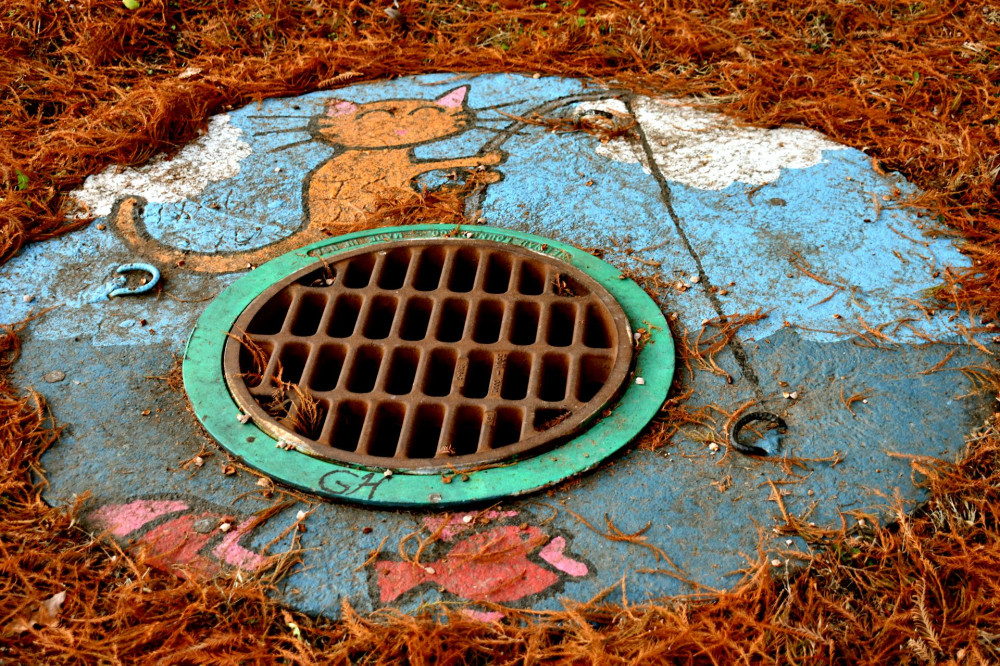
Eco-Friendly Drain Cleaning: How to Do It Gently on the Environment

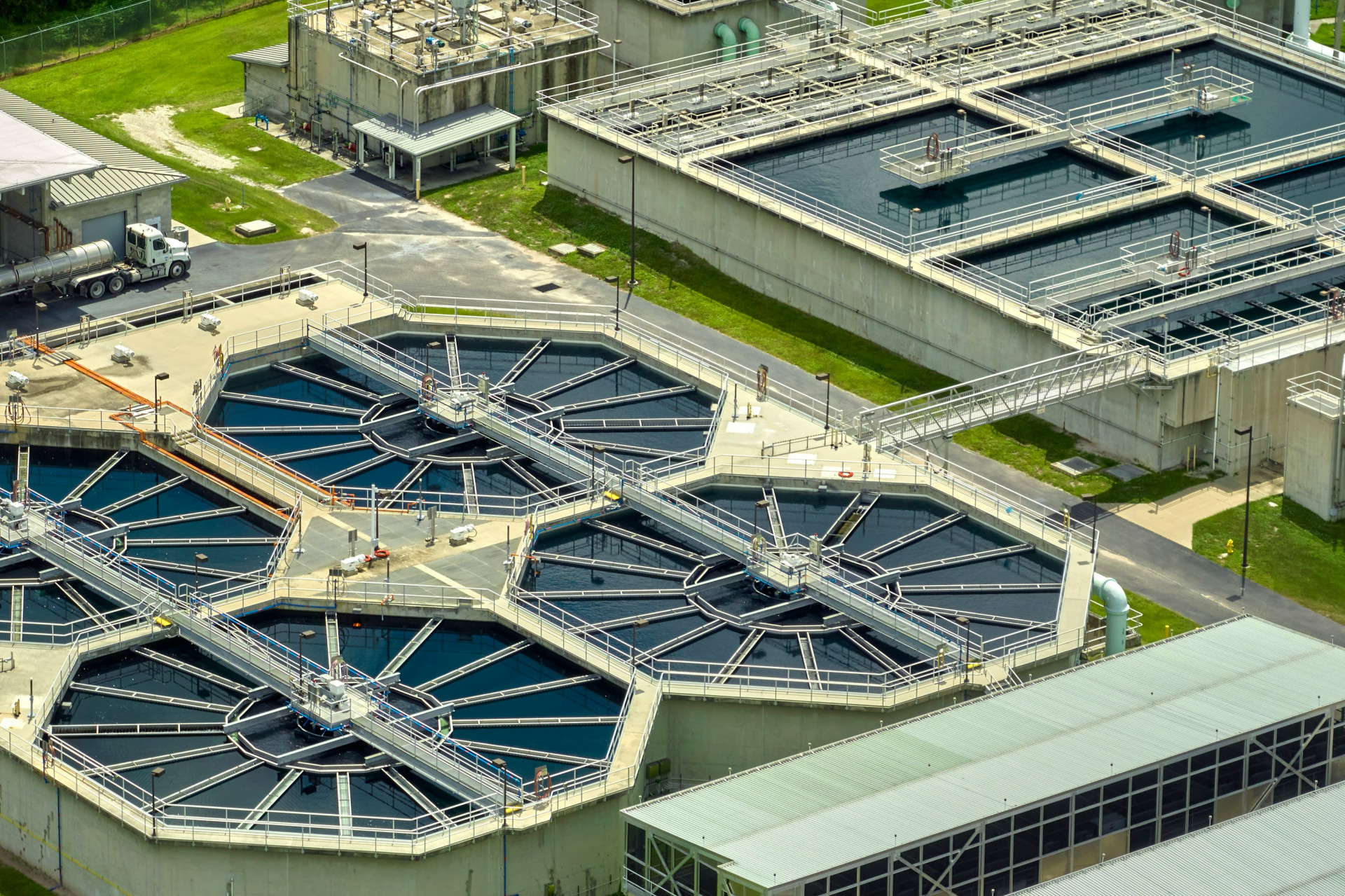
Eco-Friendly Drain Cleaning: How to Do It Gently on the Environment
Your home’s plumbing system is one of those things you rarely think about—until something goes wrong. A blocked drain can quickly lead to unpleasant smells, slow drainage, or even flooding. But many traditional drain-cleaning methods rely on harsh chemicals that can harm the environment and your pipes. The good news? There are greener, safer ways to keep your drains clear. Here’s how to clean and maintain your drains in a way that’s kind to both your home and the Australian environment.
Why Go Green?
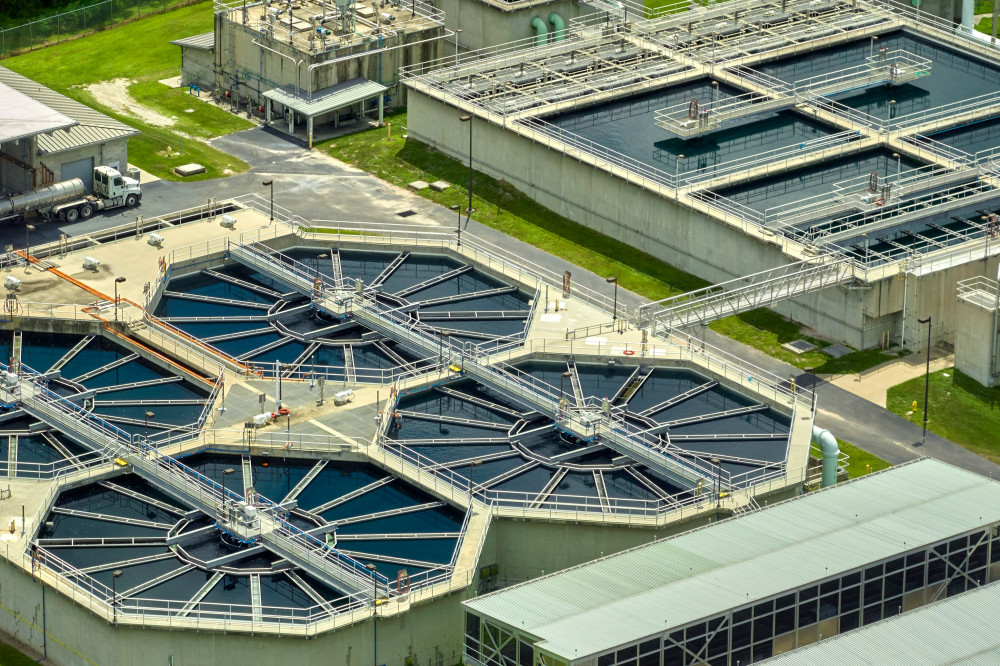
When chemical drain cleaners are flushed down the pipes, they don’t just disappear. Many end up in wastewater systems and, eventually, in rivers, creeks, and coastal waters. These chemicals can harm aquatic life, disrupt ecosystems, and make it harder for wastewater treatment plants to do their job effectively.
By choosing eco-friendly methods, you help protect Australia’s unique waterways and wildlife—from the Great Barrier Reef to your local wetlands—while also extending the life of your plumbing by avoiding corrosive substances.
Læs også:

Prevention Is the Best Cure
The most sustainable way to clean your drains is to prevent blockages in the first place. A few simple habits can make a big difference:
- Keep fats and oils out of the sink – Never pour cooking oil or grease down the drain. Instead, collect it in a container and dispose of it in your general waste or through your local council’s recycling program if available.
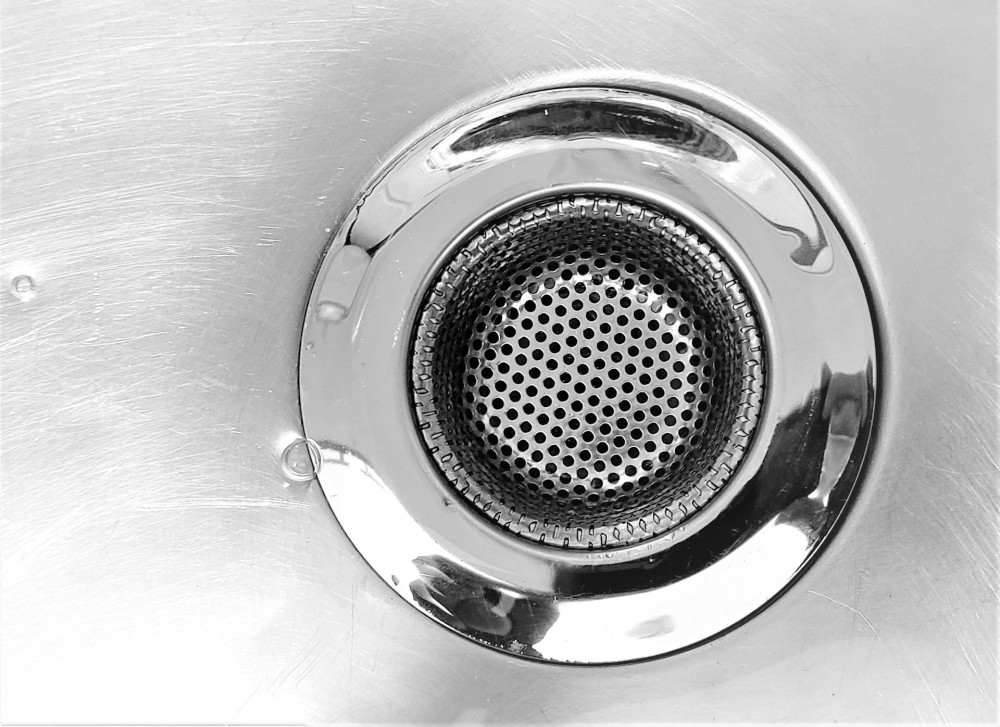
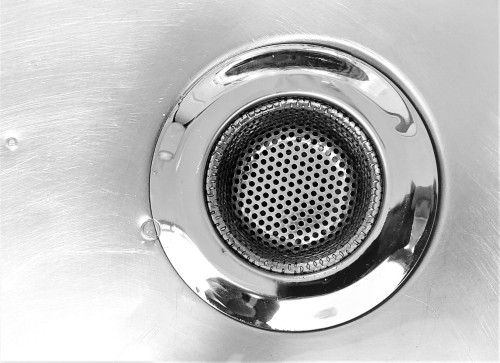
- Use drain strainers – A small mesh strainer in your kitchen sink or shower can catch food scraps, hair, and debris before they cause trouble.
- Flush only toilet paper – Wet wipes, cotton buds, and sanitary products belong in the bin, not the toilet. Even “flushable” wipes can cause blockages.
- Rinse with plenty of water – After using the washing machine or dishwasher, run extra water to help flush away soap and residue.
These small steps can help you avoid costly plumbing issues and reduce your environmental footprint.
Eco-Friendly Cleaning Methods
If a blockage does occur, there are several gentle yet effective ways to clear it without resorting to harsh chemicals.
1. Hot Water, Baking Soda, and Vinegar
A tried-and-true natural method: pour half a cup of baking soda into the drain, followed by a cup of white vinegar. Let it fizz for 10–15 minutes, then flush with hot water. This combination helps break down grease and grime naturally.
2. Mechanical Cleaning
A plunger or a drain snake (also called a plumber’s auger) can often dislodge clogs without any chemicals. It takes a bit of elbow grease, but it’s safe, effective, and environmentally friendly.
3. Professional High-Pressure Water Jetting
If the blockage is deeper in the system, a licensed plumber can use high-pressure water jetting to clear it. This method uses only clean water—no chemicals—and is one of the most eco-friendly professional options available.
Avoid Chemical Drain Cleaners
Many commercial drain cleaners contain strong acids or alkalis that can corrode pipes, harm your health, and damage the environment. If you must use a product, look for eco-certified or biodegradable options that are designed to minimise environmental impact.
Regular Maintenance and Inspection
Keeping your drains healthy is an ongoing task. Consider scheduling a CCTV drain inspection every few years, especially if you live in an older home or an area with large trees whose roots can invade pipes. Early detection can save you from expensive repairs later.
If your kitchen produces a lot of grease, installing a grease trap can help prevent build-up in your pipes. In areas prone to sand or leaf debris, a silt trap can also be useful.
Think Beyond the Drain
Your drains are part of a larger ecosystem. Everything that goes down them eventually connects to the natural environment. By choosing eco-friendly cleaning methods and practising prevention, you’re helping to protect Australia’s precious water resources, wildlife, and coastal habitats.
Eco-friendly drain cleaning isn’t just about avoiding chemicals—it’s about taking responsibility for the unseen parts of your home that have a big impact on the world around you. With a few mindful choices, you can keep your drains flowing freely and your environment thriving.
Læs også: