Fat and Soap Residue in the Sewers: Why It’s Important to Act in Time


Fat and Soap Residue in the Sewers: Why It’s Important to Act in Time
When the water in your kitchen sink starts draining slowly or an unpleasant smell rises from the plughole, it’s often a sign that fat and soap residue have built up in the pipes. It might seem like a small issue, but if you don’t act in time, it can lead to blocked drains, overflows, and costly repairs. Here’s why the problem occurs and how you can prevent it.
Why Fat and Soap Residue Are a Problem
Pouring cooking oil, grease, or food scraps down the sink might feel harmless, but even small amounts can cause big trouble over time. As fat cools, it solidifies and sticks to the inside of pipes, forming a sticky layer. This layer traps soap residue, hair, and other particles, gradually creating a blockage.
Soap residue adds to the problem because it contains fatty acids that react with minerals in the water, forming hard deposits. Over time, these deposits narrow the pipes, making it harder for water to flow through. The result is poor drainage, unpleasant odours, and eventually a complete blockage.
Læs også:

The Consequences of Waiting Too Long
A blocked drain isn’t just inconvenient – it can be expensive. When water can’t flow away properly, it can back up through floor drains or laundry sinks, causing water damage. In severe cases, wastewater can enter your home, requiring professional cleaning and disinfection.
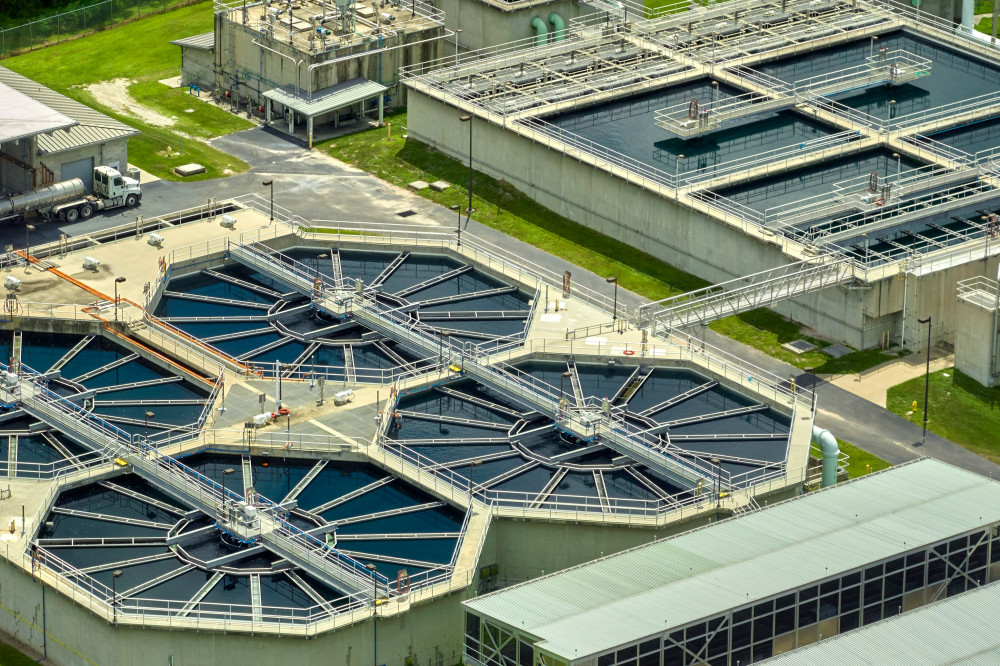
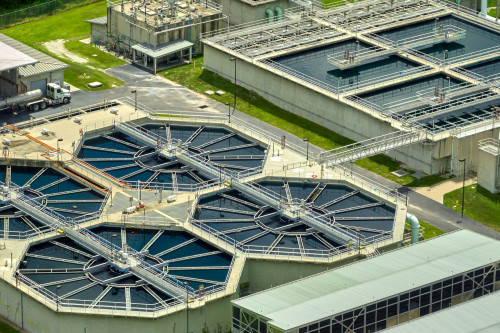
The problem doesn’t stop at your property line. In many Australian cities, large “fatbergs” – massive lumps of congealed fat, oil, and waste – have been found in sewer systems. These blockages are costly for councils to remove and can cause sewage overflows that harm the environment. That’s why water authorities across Australia urge residents to be mindful of what goes down the drain.
How to Prevent the Problem
Fortunately, a few simple habits can help you avoid most issues with fat and soap residue in your drains.
- Never pour fat or oil down the sink. Let it cool, then scrape it into a container or paper towel and dispose of it in the rubbish bin.
- Wipe pans and dishes before washing. Even small amounts of grease can build up over time.
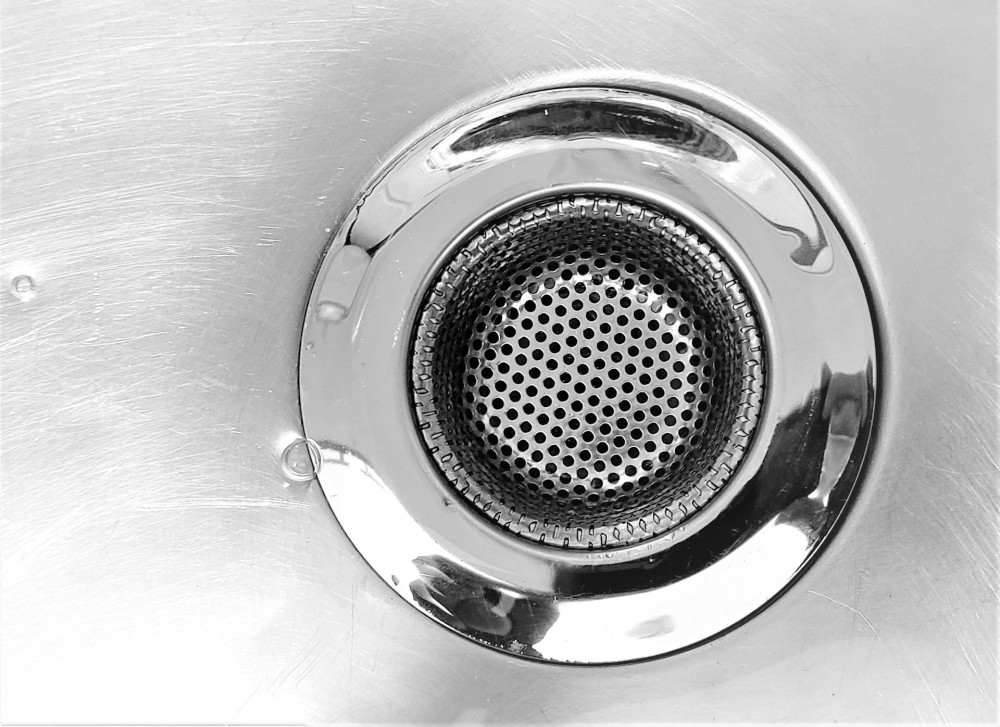
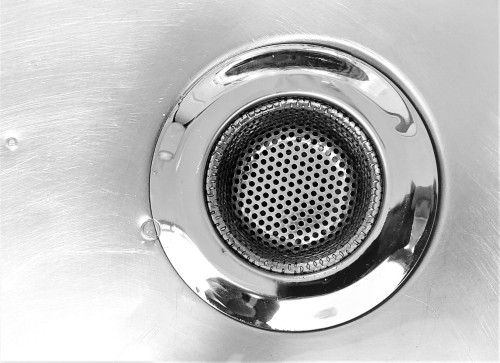
- Use a sink strainer. It catches food scraps and hair before they enter the pipes.
- Flush with hot water regularly. Once a week, pour a kettle of boiling water down the drain to help dissolve early grease deposits.
- Use soap and detergent sparingly. Only use what’s needed – it’s better for your pipes and the environment.
When the Damage Is Already Done
If your sink is draining slowly, try using a plunger or a drain snake to clear the blockage. Avoid using chemical drain cleaners too often – they can damage pipes and harm the environment. If the problem persists, contact a licensed plumber who can carry out a professional cleaning or inspection.
It might seem like an expense now, but it’s far cheaper than waiting until the pipes are completely blocked and water damage occurs.
A Shared Responsibility for a Healthy Sewer System
Although the problem starts in individual households, it affects the entire sewer network. When many homes pour fat and soap residue down the drain, the risk of blockages in shared pipes increases. That’s why it’s important for everyone to take responsibility – both for their own plumbing and for the public system that carries wastewater away.
By making small changes in your daily habits, you can save money, avoid hassle, and help keep Australia’s sewer systems running smoothly and sustainably.
Læs også: