Give Your Old Wall Panels New Life with a Fresh Finish


Give Your Old Wall Panels New Life with a Fresh Finish
Timber wall panels can bring warmth, texture, and character to any Australian home – from a coastal cottage to a modern city apartment. But over time, sunlight, humidity, and everyday wear can leave them looking dull or dated. The good news is that you don’t need to replace them to refresh your space. With a bit of effort and the right materials, you can restore your panels and give them a whole new look.
Here’s a step-by-step guide to reviving your old wall panels, whether you prefer a natural timber glow or a sleek, painted finish.
Start with a Thorough Clean
Before you begin, it’s essential to remove dust, grease, and grime. Use a mild wood cleaner or sugar soap diluted in water, and wipe the panels with a soft cloth or sponge. Avoid soaking the wood – too much moisture can cause swelling or warping, especially in older homes.
Once clean, let the panels dry completely. A dry surface ensures that your new finish will adhere properly.
Sanding – The Secret to a Smooth Result
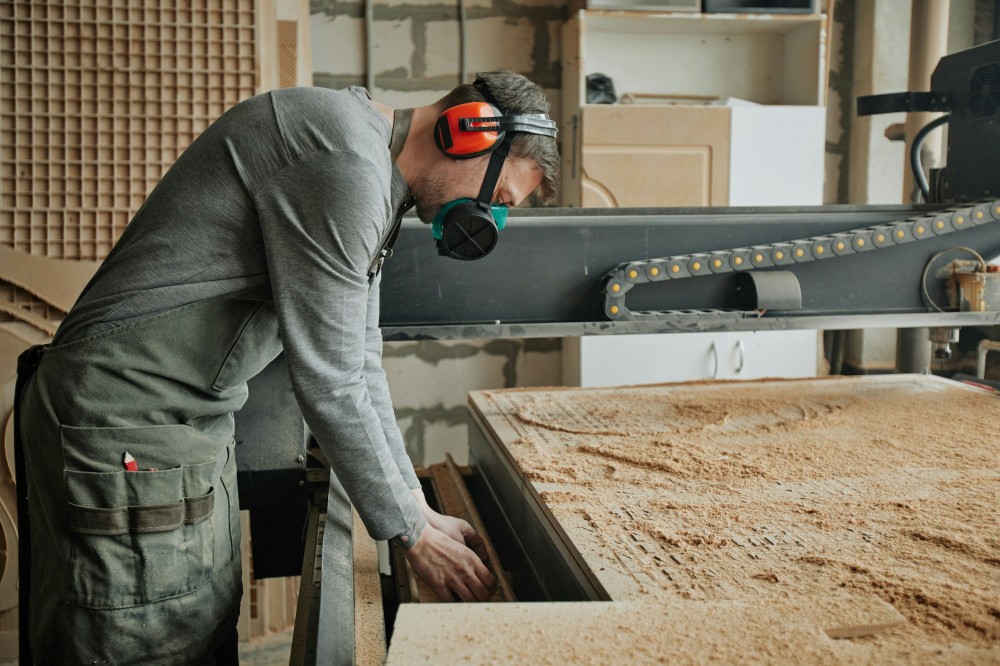
Sanding is the most time-consuming step, but it’s also the one that makes the biggest difference. Use sandpaper with a grit of 120–150 to remove old varnish, oil, or paint. If the panels are heavily worn, start with a coarser grit and finish with a finer one for a smooth surface.
Always sand in the direction of the wood grain to avoid scratches. Afterwards, vacuum or wipe away all dust with a damp cloth – a clean surface is key to a flawless finish.
Choose the Right Finish
The best finish depends on the look you want and where the panels are located.
- Oil enhances the natural warmth and grain of the timber. It’s ideal for untreated or previously oiled panels but does require regular maintenance. Natural oils like tung or linseed oil are great eco-friendly options.
- Varnish provides a durable, glossy surface that’s easy to clean – perfect for high-traffic areas such as hallways or kitchens.
- Stain allows you to change the colour while keeping the wood’s texture visible. After staining, protect the surface with a coat of oil or varnish.
- Paint is the go-to choice if you want a completely new look. White or light tones can brighten a room, while darker shades add depth and sophistication.
Læs også:


How to Paint Wall Panels
If you decide to paint, start with a suitable primer – especially if the wood is porous or has been previously oiled. Primer helps the paint adhere evenly and prevents discolouration.
Use a brush for edges and grooves, and a small roller for larger areas. Apply long, even strokes following the grain. Two coats of paint usually give the best coverage – just make sure the first coat is fully dry before applying the second.
Refreshing Oiled or Varnished Panels
If your panels are already oiled or varnished, you might only need a light refresh. Clean the surface thoroughly, then apply a new coat of oil or varnish as needed. This will restore the sheen and protect the timber.
For oiling, use a lint-free cloth to spread the oil evenly. After 15–20 minutes, wipe off any excess to prevent a sticky finish. For varnish, apply thin coats with a brush or roller – several light coats are better than one thick one.
Finishing Touches That Make a Difference
Once your panels look fresh and new, consider updating the surrounding details. Repainting skirting boards, door frames, or even power point covers can complete the transformation. A new wall colour or some well-placed lighting can also highlight the beauty of your restored panels.
Keep Your Panels Looking Great
To maintain the result, dust your panels regularly and wipe them with a slightly damp cloth when needed. Avoid harsh cleaning products that can damage the finish. Oiled panels benefit from a light reapplication once a year to keep the timber nourished and protected.
With a little care, your panels will stay beautiful for years – and you’ll avoid the cost and waste of replacement.
A Simple Project with Big Impact
Refreshing old wall panels is one of those home projects that delivers a big visual payoff for a modest effort. You’ll extend the life of your timber, enhance your home’s atmosphere, and enjoy the satisfaction of creating something with your own hands.
So grab your sandpaper, choose your finish, and watch your walls come back to life with warmth and style.
Læs også: