Protect Yourself from Harmful Fumes and Dust During Woodworking

Protect Yourself from Harmful Fumes and Dust During Woodworking
Woodworking can be a deeply rewarding craft – but it also exposes you to fine dust and chemical fumes that can harm your health if you don’t take proper precautions. Sawing, sanding, gluing, and finishing all release particles and vapours that can irritate your lungs, eyes, and skin. Fortunately, with a few simple steps, you can protect yourself and create a safer, healthier workshop environment.
Why Dust and Fumes Are Dangerous
Wood dust consists of microscopic particles that can easily reach deep into your lungs. Hardwoods such as jarrah, oak, and beech are known to cause allergic reactions and, with long-term exposure, may increase the risk of nasal and sinus cancers. Even softwoods can trigger asthma or respiratory irritation.
When you use adhesives, varnishes, oils, or paints, volatile organic compounds (VOCs) are released into the air. These fumes can cause headaches, dizziness, and irritation of the eyes and airways. Prolonged exposure may affect the nervous system and liver.
In short, even small amounts of dust and fumes can be harmful if you’re exposed regularly – prevention is key.
Ensure Good Ventilation
Proper ventilation is the most important step toward a healthy workspace.
- Use local exhaust extraction at machines such as table saws, sanders, and planers. This captures dust before it spreads.
- Open doors and windows to improve airflow, but avoid strong draughts that stir up settled dust.
- Install an air purifier with a HEPA filter to remove fine airborne particles.
If you’re applying finishes or adhesives, always work in a well-ventilated area or use a spray booth. Avoid staying in the room while coatings are drying.
Use the Right Personal Protective Equipment
Even with good ventilation, you’ll still need personal protective equipment (PPE) to stay safe.
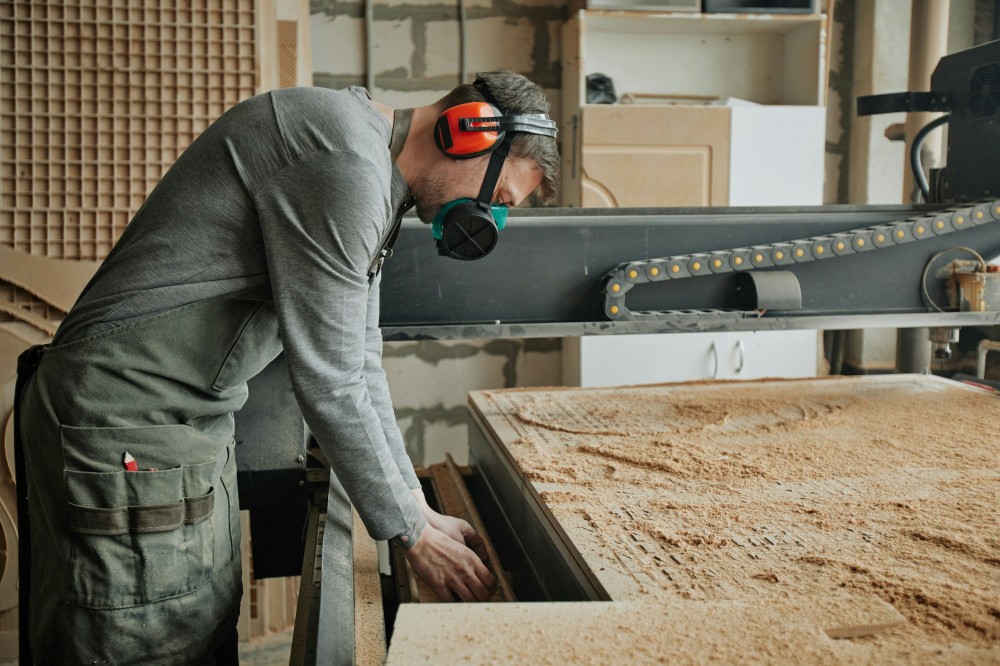
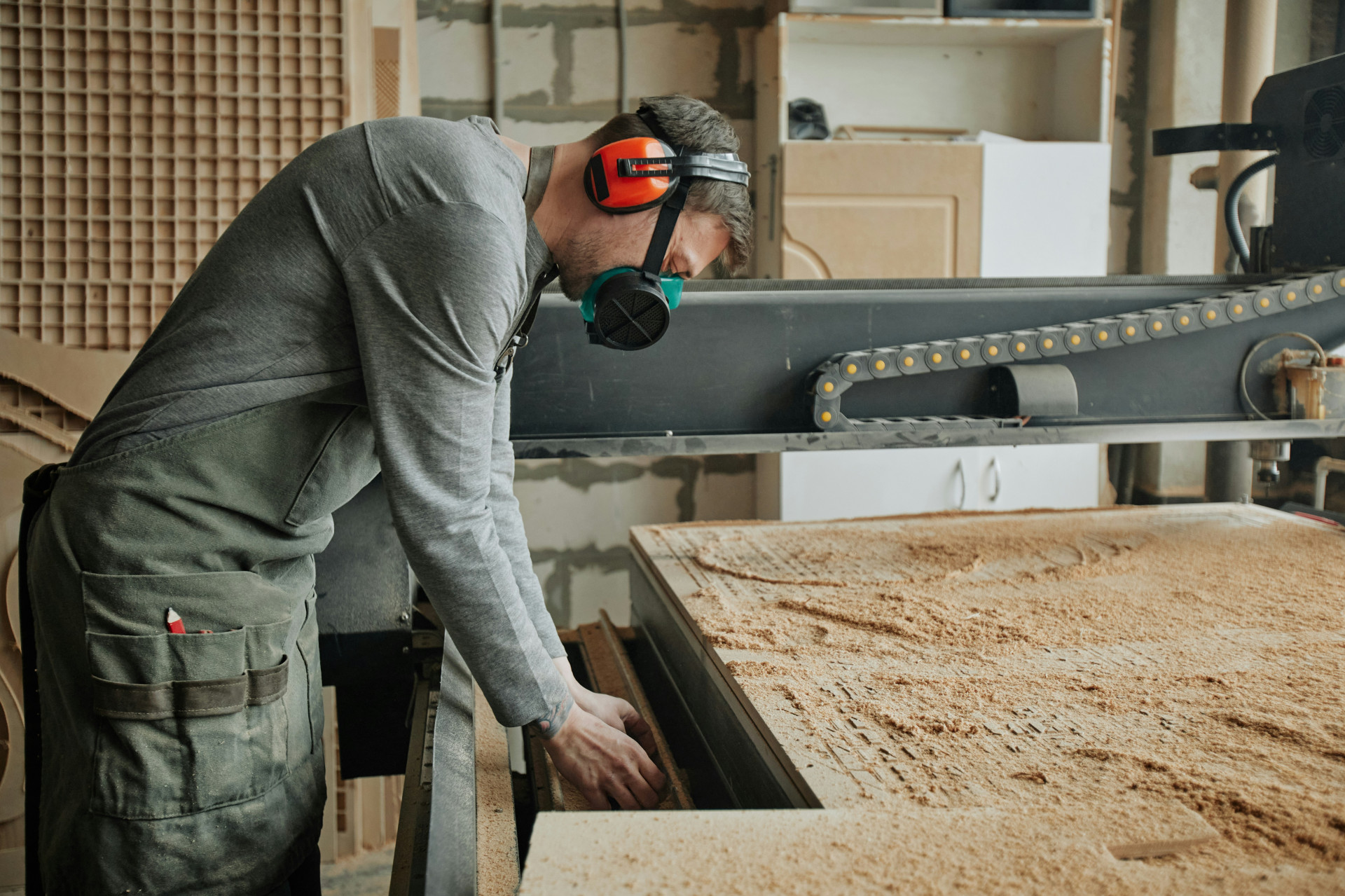
- Respiratory protection: Use a P2 or P3 dust mask when sanding or sawing. For solvent-based products, choose a respirator with an A-class filter that protects against organic vapours.
- Safety glasses or goggles: Prevent dust and splinters from reaching your eyes.
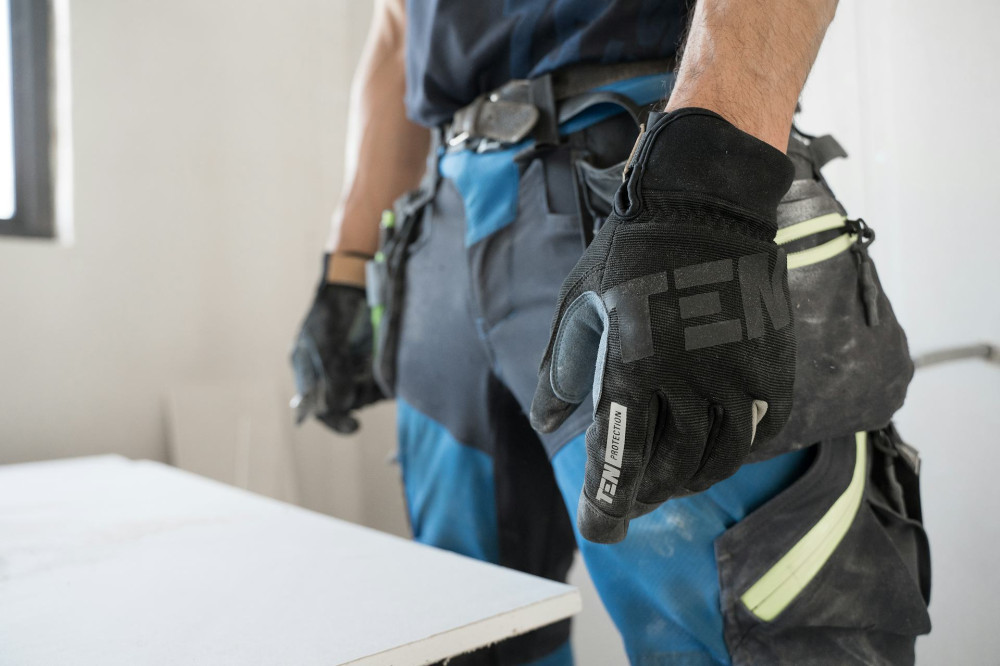
- Gloves: Wear nitrile or latex gloves when handling chemicals, and sturdy work gloves when handling timber.
- Protective clothing: Long sleeves and closed shoes protect your skin from dust and splashes.
Remember to replace filters and masks regularly – they lose effectiveness over time.
Keep Your Workshop Clean
A clean workshop is a safe workshop. Dust that settles on surfaces can easily become airborne again.
- Vacuum instead of sweeping – use a vacuum with a HEPA filter.
- Wipe surfaces with a damp cloth after each session.
- Store chemicals in sealed containers, away from heat sources.
- Dispose of waste and used rags properly – oily or solvent-soaked cloths can self-ignite.
Making cleaning part of your routine reduces both health risks and fire hazards.
Læs også:



Choose Healthier Materials
Many modern products are designed with health and the environment in mind.
- Choose water-based paints and varnishes instead of solvent-based ones.
- Use formaldehyde-free adhesives and low-emission products.
- Consider natural oils and waxes, which often release fewer fumes.
Always read the product’s Safety Data Sheet (SDS) before use. It tells you about potential hazards and how to protect yourself.
Make Safety a Habit
It might seem inconvenient to put on a mask or switch on the extractor every time you work, but it’s an investment in your long-term health. Many tradespeople only notice the effects of exposure after years of work – when the damage is already done.
Create simple routines: turn on ventilation, wear your PPE, and air out the space every time you work. It only takes a few minutes but makes a big difference over time.
A Healthy Workshop Produces Better Work
When your workspace is clean, well-ventilated, and safe, you’ll not only protect your health but also improve your craftsmanship. You’ll be more focused, more comfortable, and able to enjoy your projects without irritation or fatigue.
Protecting yourself from dust and fumes isn’t just about safety – it’s about ensuring you can keep doing what you love for many years to come.
Læs også: