Light, Views and Aesthetics: How to Plan Your Window Placement


Light, Views and Aesthetics: How to Plan Your Window Placement
Windows are more than openings in a wall – they are the eyes of your home. They shape how daylight moves through your rooms, how you experience the view, and how comfortable and inviting your spaces feel. Thoughtful window placement can transform a house from dim and enclosed to bright, balanced and full of life. Here’s a guide to planning your windows with light, views and aesthetics in mind – tailored for Australian conditions.
Think in Daylight – Not Just in Window Size
When planning windows, it’s tempting to think “the bigger, the better.” But the quality of daylight depends not only on size, but also on orientation and placement.
- North-facing windows (in Australia) receive the most consistent sunlight throughout the day. They’re ideal for living areas and kitchens, providing warmth and brightness in winter. To avoid overheating in summer, consider eaves, pergolas or adjustable shading.
- South-facing windows get minimal direct sun, offering a cooler, softer light. They’re great for bedrooms or studios where you want even illumination without glare.
- East-facing windows capture gentle morning light – perfect for breakfast areas or bedrooms where you want to wake up with the sun.
- West-facing windows bring in the warm afternoon glow, which can be beautiful in living spaces but may require shading or good ventilation to prevent heat build-up.
Combining windows on different orientations creates a dynamic light environment that changes with the time of day and season.
The View as Part of the Design
A window frames the world outside. When deciding where to place them, think about what you want to see – and what you’d rather not.
A low window can connect you to the garden, while a high one can draw in sky and light without compromising privacy. In urban areas, narrow vertical windows can let in daylight while limiting views into neighbouring properties.
Consider how the view unfolds as you move through your home. A window at the end of a hallway or beside a staircase can create a sense of depth and direction, making the interior feel more open and connected to the outdoors.
Aesthetics and Proportion
Windows play a major role in your home’s architectural character. Their shape, size and rhythm affect both the façade and the interior atmosphere.
Symmetry can bring calm and order, while asymmetry can add a modern, expressive touch. Large glass panels can open your home to the landscape, but they need careful planning to manage heat gain and energy efficiency.
Inside, use window placement to highlight key features – a dining table bathed in sunlight, a reading nook with a view, or artwork illuminated by natural light.
Think also about materials and colours. Dark frames can create contrast and depth, while light-coloured frames can make a room feel more spacious and airy.
Function and Comfort
Windows should be as practical as they are beautiful. Make sure they can open where ventilation is needed and that they’re easy to clean and maintain.
In bathrooms and laundries, frosted or textured glass can provide privacy without blocking daylight. In living areas and kitchens, operable windows at different heights can help with cross-ventilation and cooling.
Energy efficiency is another key factor. Modern double glazing, low-emissivity coatings and proper installation can significantly reduce heat loss in winter and heat gain in summer – improving comfort and lowering energy bills.
Læs også:


Connecting Indoors and Outdoors
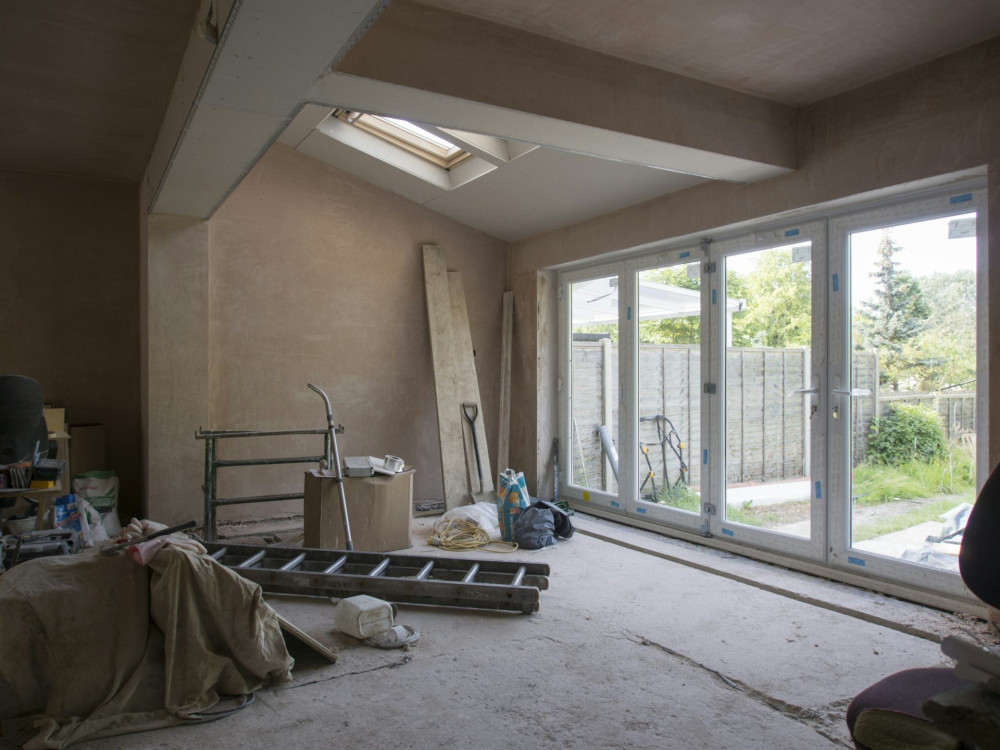
Good window design also strengthens the relationship between your home and its surroundings. Large sliding doors or picture windows facing the garden can blur the boundary between inside and out, especially when floor levels align with decks or patios.
In apartments or smaller homes, deep window sills or Juliet balconies can create a sense of outdoor connection even in limited space.
Remember that windows are part of your home’s face to the street. A balanced rhythm of openings gives the façade harmony, while variation in size and shape can add personality and charm.
Plan as a Whole – Not as Individual Windows
When planning your windows, think of the house as a complete system. How does light move through the day? Where do you spend most of your time? Which rooms should feel bright and open, and which should feel more private or shaded?
Creating a daylight plan with an architect or designer can help you find the right balance between function, aesthetics and energy performance.
A well-placed window can completely change how a room feels – making your home not only more beautiful, but also more comfortable and connected to the world outside.
Læs også: