Old Walls, New Ideas: Historic Building Methods as Inspiration for Modern Construction

Old Walls, New Ideas: Historic Building Methods as Inspiration for Modern Construction
When we talk about sustainable building today, the conversation often revolves around new technologies, energy efficiency, and innovative materials. Yet some of the most sustainable ideas are centuries old. Long before concrete and steel, people built homes that responded naturally to their environment, using local materials and simple techniques. These traditional methods hold lessons that modern Australian builders and architects are beginning to rediscover.
Built for the Climate – Not Against It
Before industrialisation, buildings were designed to suit their surroundings. In Australia, early settlers and Indigenous communities alike developed ways to cope with heat, wind, and rain. Thick stone cottages in South Australia kept interiors cool during scorching summers, while timber and corrugated iron homes in Queensland were raised on stilts to allow air to circulate beneath. In the desert, Indigenous shelters used branches, bark, and spinifex grass to create shade and ventilation.
These designs worked with the climate rather than fighting it. Natural materials helped regulate temperature and humidity, and buildings could be repaired or adapted easily. Today, as we face rising energy costs and more extreme weather, these old principles of passive design and climate responsiveness are more relevant than ever.
Local Materials and Circular Thinking
Traditional building was inherently circular. People used what was available: stone from nearby quarries, clay from the ground, timber from local forests. When a structure reached the end of its life, its materials were reused or returned to the earth. Nothing was wasted.
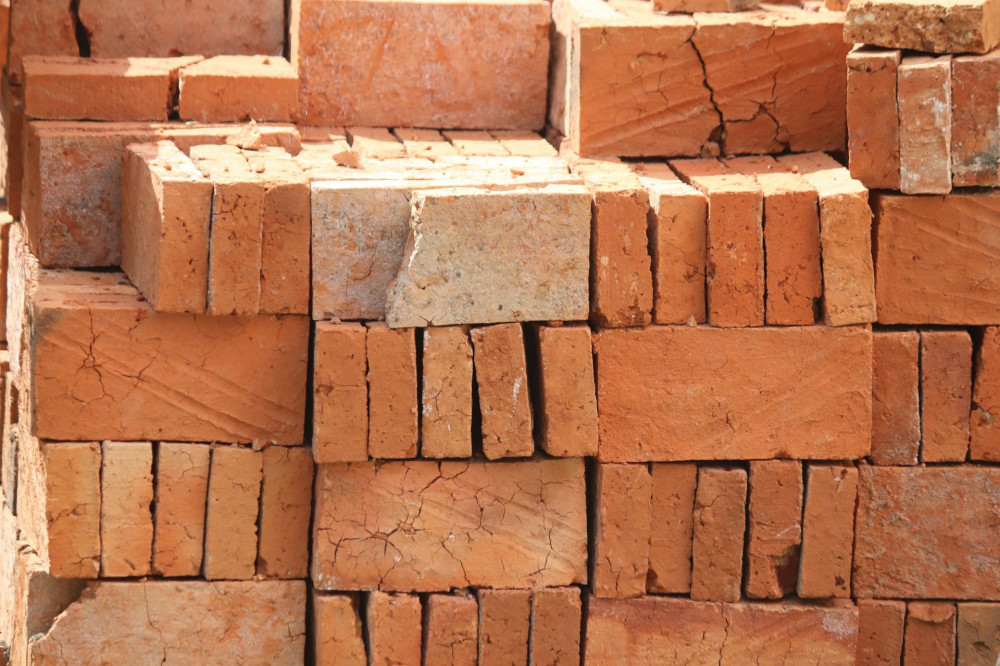
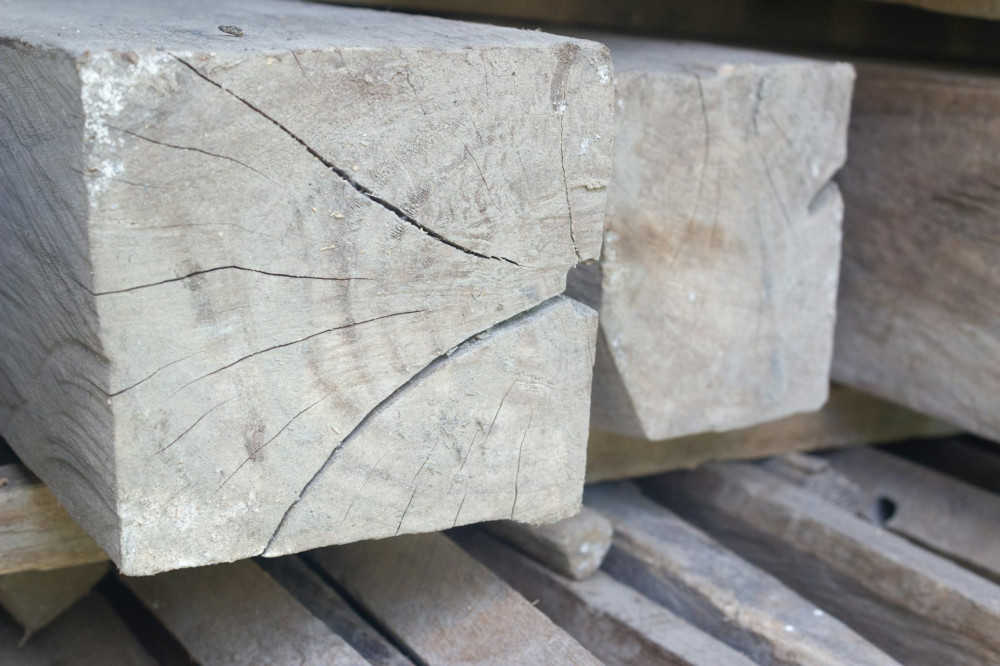
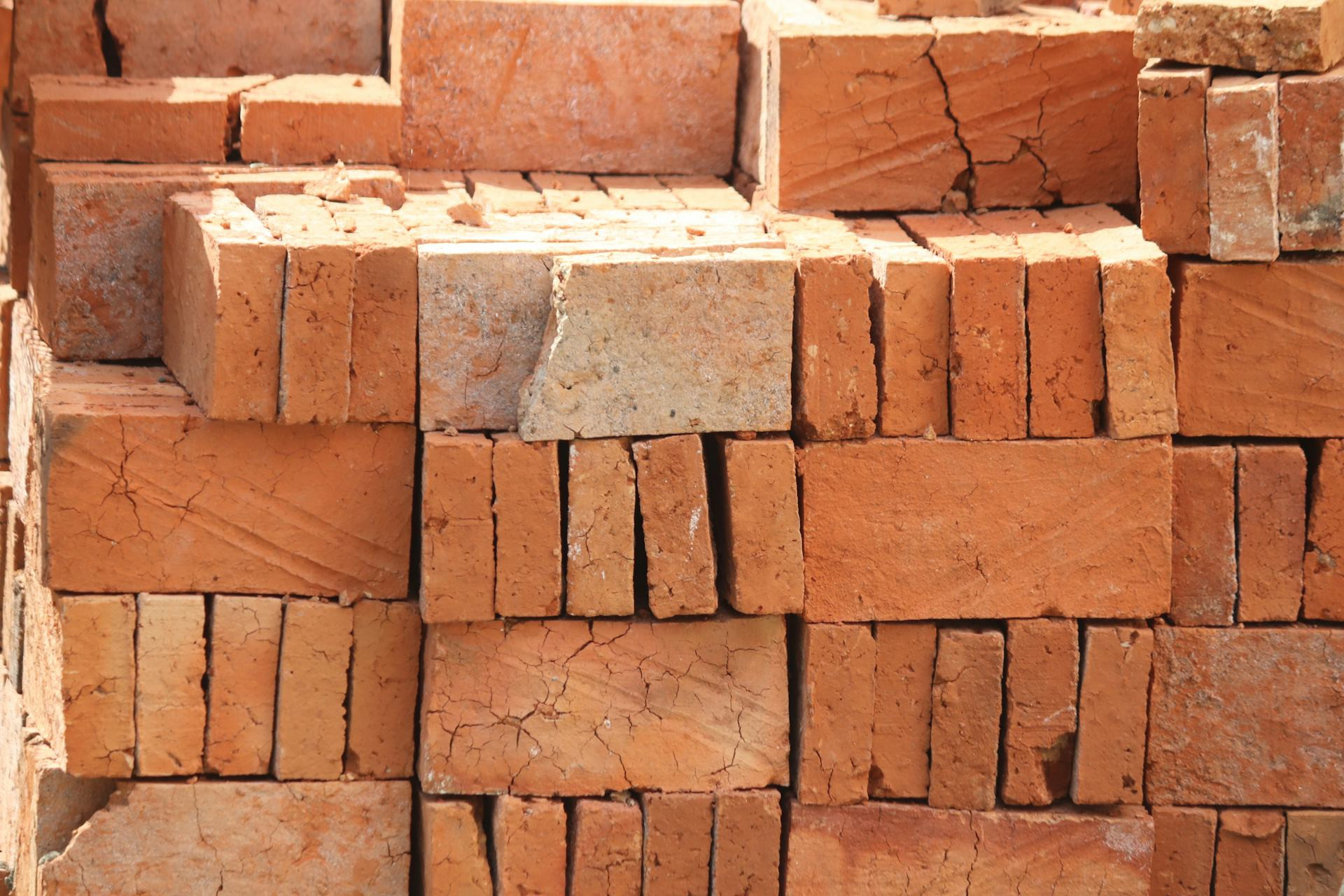
Modern construction is beginning to embrace this mindset again. Architects are experimenting with rammed earth, recycled brick, and sustainably sourced timber. In Western Australia, for example, rammed earth homes are gaining popularity for their thermal mass and natural beauty. Using local materials not only reduces transport emissions but also connects buildings to their landscapes in a meaningful way.
This isn’t about nostalgia—it’s about creating durable, low-carbon buildings that can stand for generations, just as many historic structures have done.
Læs også:
The Craft of Building
Old building methods demanded skill and an intimate understanding of materials. Lime mortar, hand-cut joinery, and natural finishes required patience and craftsmanship. In today’s world of prefabrication and mass production, that knowledge is at risk of disappearing.
Fortunately, there’s a growing movement to revive traditional trades. Australian builders and apprentices are learning heritage techniques, not only for restoration work but also for new projects that value quality and longevity. A well-crafted building, made with care and respect for materials, is inherently sustainable—it lasts.
Tradition Meets Technology
Looking to the past doesn’t mean rejecting innovation. In fact, combining traditional wisdom with modern tools can lead to some of the most exciting developments in sustainable design. Digital modelling now allows architects to simulate airflow and sunlight, refining passive design strategies that builders once achieved through intuition. New bio-based materials such as hempcrete and cross-laminated timber build on old ideas of natural insulation and renewable resources, but with the precision of modern engineering.
The result is architecture that feels both timeless and forward-looking—structures that breathe, adapt, and endure.
A New Respect for the Old
For much of the twentieth century, old buildings were seen as outdated or inefficient. Today, they’re recognised as teachers. They remind us that sustainability isn’t just about technology—it’s about understanding place, materials, and human comfort.
Drawing inspiration from historic building methods doesn’t mean turning back the clock. It means rediscovering a balance that once came naturally: building in harmony with the land, the climate, and the people who live within. If we listen to the lessons of old walls, we may find the blueprint for a more resilient and sustainable future.
Læs også: