Are the pipes behind your tiles in good condition? Here’s how to check

Are the pipes behind your tiles in good condition? Here’s how to check
The pipes hidden behind your bathroom tiles are easy to forget about—until something goes wrong. Because they’re out of sight, small leaks or corrosion can develop unnoticed and lead to costly water damage. The good news is that there are ways to assess their condition without tearing your bathroom apart. Here’s a guide to help you check the health of your pipes and know when it’s time to call in a professional.
Why pipe condition matters
Pipes in bathrooms, laundries, and kitchens are constantly exposed to moisture, pressure, and temperature changes. Over time, this can cause corrosion, loose joints, or tiny cracks. If water seeps behind tiles, it can damage walls, floors, and even structural timber. In Australia’s humid climate—especially in coastal areas—these problems can develop faster. That’s why it’s important to keep an eye out for signs of wear, particularly if your bathroom is more than 15–20 years old.
Læs også:

Signs that something might be wrong
Even though the pipes are hidden, there are often early warning signs. Watch for:
- Discolouration or dark patches on grout or walls – may indicate moisture behind the tiles.
- A musty or damp smell – a persistent odour can signal a slow leak.
- Loose or bulging tiles – moisture can weaken the adhesive behind them.
- Low water pressure – could be caused by mineral build-up or small leaks.
- Unexplained increase in water bills – if your water meter shows usage when everything is turned off, there may be a leak.
These signs don’t always mean your pipes need replacing, but they do warrant a closer look.
How to do a basic check yourself
You can perform a few simple checks to get an idea of your pipes’ condition:
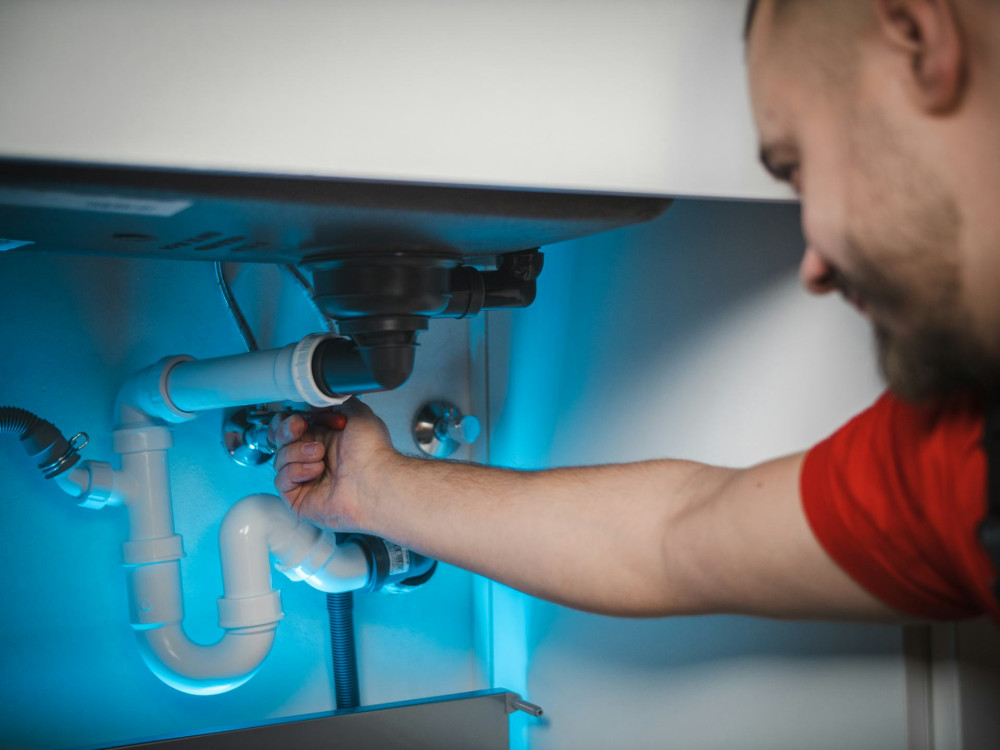
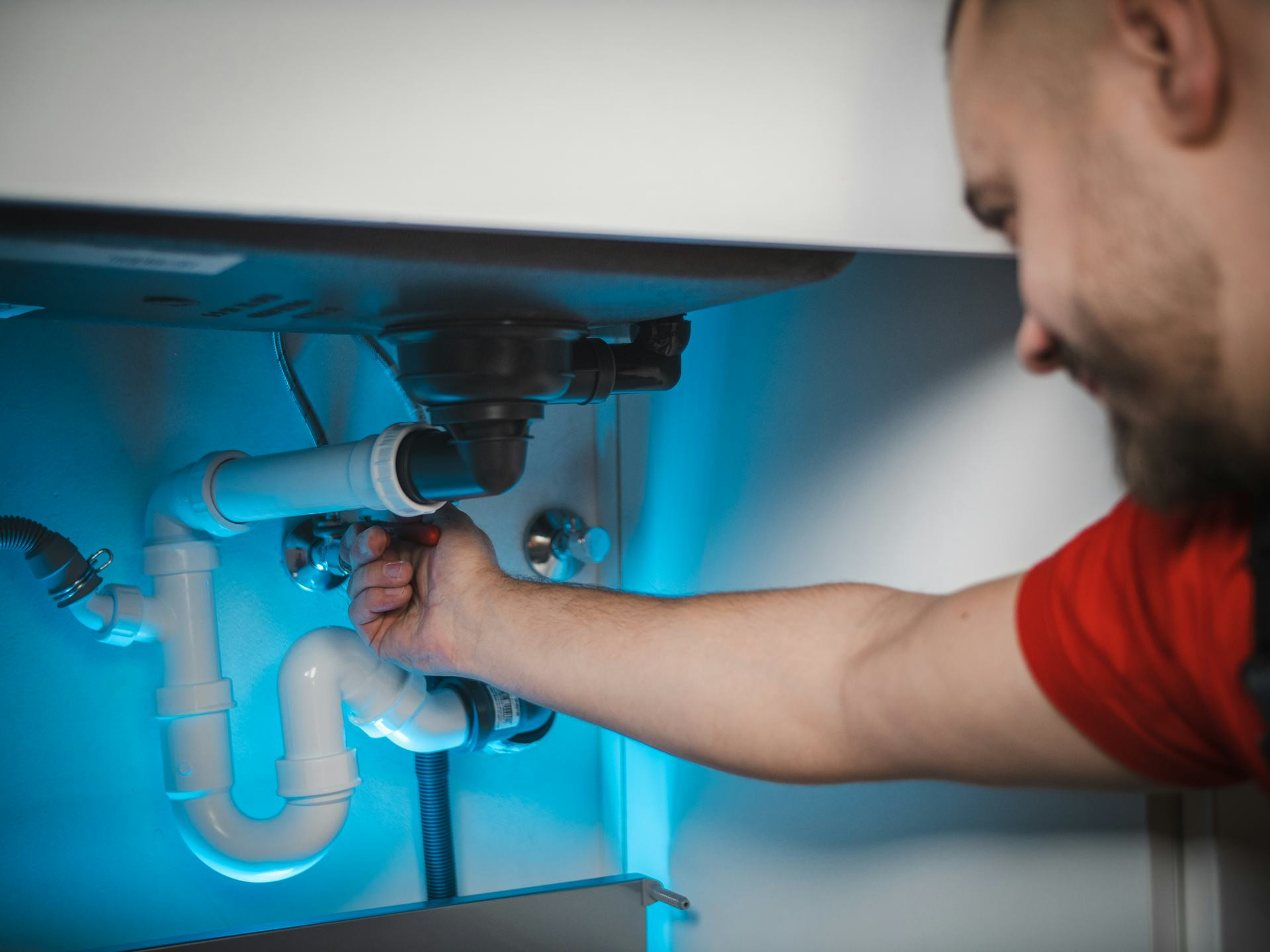
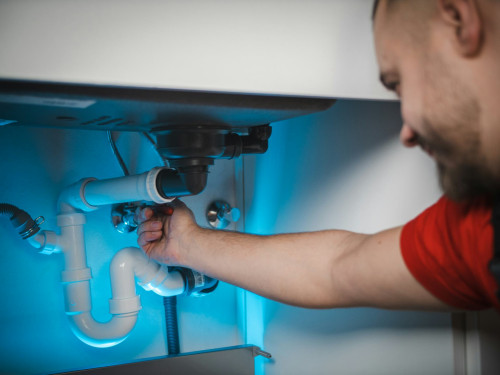
- Inspect visible pipes – under the sink, near the toilet, or behind the washing machine. Look for rust, greenish deposits, or damp spots.
- Listen for dripping or hissing sounds – especially at night when the house is quiet. Even a faint noise can indicate a leak.
- Use your water meter – record the reading before bed and again in the morning. If it’s changed and no water was used, there’s likely a leak.
- Check for moisture – a handheld moisture meter (available at hardware stores like Bunnings) can detect dampness behind tiles.
If you notice anything suspicious, it’s best to contact a licensed plumber for a professional assessment.
When to call a professional
Even small leaks can escalate quickly. You should get a plumber to inspect your pipes if:
- Your bathroom is over 20 years old and the pipes have never been replaced.
- You’re planning a renovation – it’s far cheaper to replace pipes while the walls are open.
- You’ve had recurring issues with water pressure or dampness.
- You live in an older home with copper or galvanised steel pipes, which have a limited lifespan.
A licensed plumber can perform a pressure test, use a thermal imaging camera, or insert a small inspection camera behind tiles to check for leaks without damaging the wall. This gives a clear picture of your plumbing’s condition.
Prevent problems with regular maintenance
Even though the pipes are hidden, you can take steps to extend their life:
- Ensure good ventilation in the bathroom to reduce humidity.
- Avoid harsh cleaning chemicals that can damage seals and fittings.
- Have your plumbing inspected every 5–10 years, especially in older homes.
- Turn off the main water supply if you’re away for an extended period to prevent damage from potential leaks.
Prevention is always cheaper than repair, and regular checks can save you from major headaches and expenses down the track.
A healthy bathroom starts behind the tiles
A beautiful bathroom isn’t worth much if the pipes behind the tiles are failing. By staying alert to small warning signs, doing simple checks, and calling a professional when needed, you can ensure your plumbing stays in top shape for years to come. It’s peace of mind that protects both your home and your wallet.
Læs også: