Is underfloor heating a good idea in your existing home?

Is underfloor heating a good idea in your existing home?
The idea of warm floors and an even, comfortable temperature throughout the house appeals to many Australian homeowners. Underfloor heating is often associated with new builds, but it can also be installed in existing homes – the question is whether it’s worth it. Here’s an overview of the benefits, drawbacks, and practical considerations before you decide.
Comfort and even heat distribution
One of the biggest advantages of underfloor heating is comfort. The heat rises evenly from the floor, creating a consistent temperature across the room. You can say goodbye to cold tiles in winter and enjoy a more natural indoor climate.
Because the warmth is distributed evenly, you can often lower the thermostat by a degree or two without losing comfort. This can lead to modest energy savings, especially if the system is well designed and properly controlled.
Hydronic or electric underfloor heating?
There are two main types of underfloor heating: hydronic (water-based) and electric.
- Hydronic underfloor heating connects to your home’s central heating system and is generally more energy-efficient, particularly if you use a heat pump or solar hot water. However, it’s more expensive to install and usually requires lifting or replacing the existing floor.
- Electric underfloor heating uses heating cables or mats powered by electricity. It’s easier and cheaper to install, making it ideal for smaller areas like bathrooms or ensuites. However, running costs can be higher, especially if used as the main heating source.
Your choice depends on your budget, your current heating setup, and how much of your home you want to heat.
Læs også:

Is retrofitting worth it?
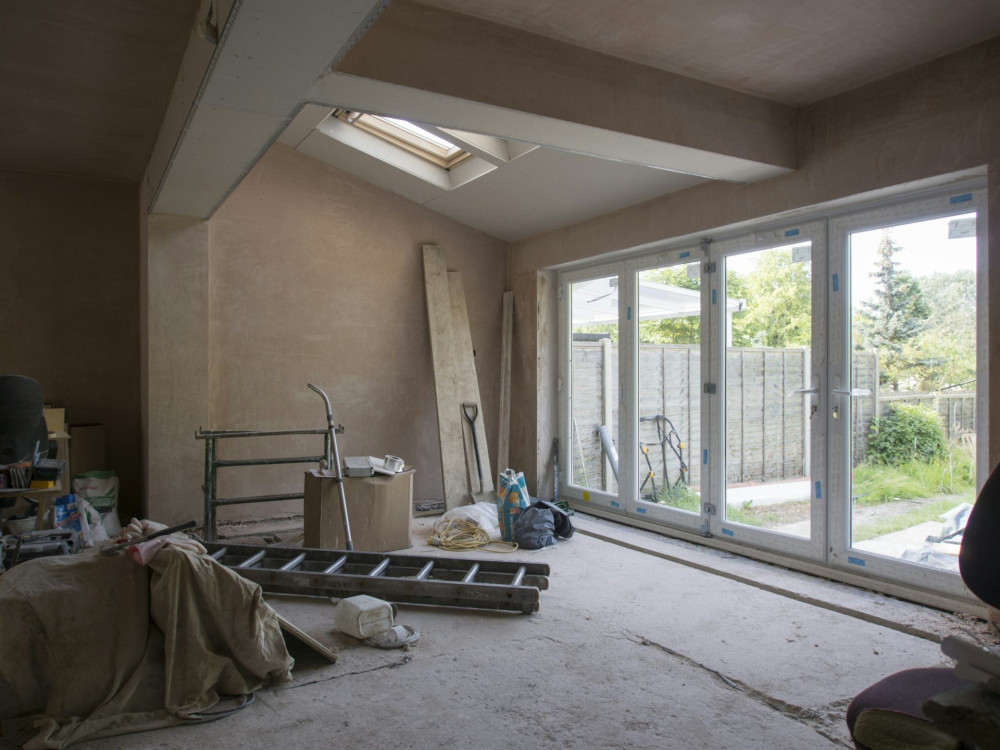
Retrofitting underfloor heating in an existing home can be challenging. If you’re already planning a renovation – for example, retiling a bathroom or replacing flooring – it’s a good time to consider adding underfloor heating. But if you’re not planning major changes, the cost and disruption might outweigh the benefits.
Older homes with timber floors or limited ceiling height may need additional work to accommodate the heating system and insulation. This can affect door heights, skirting boards, and other fittings. Always consult a qualified installer or builder to assess your home’s structure before starting.
Energy use and control
Modern underfloor heating systems can be energy-efficient when properly managed. They heat up more slowly than radiators or split systems, as the floor needs time to reach temperature. That’s why a good thermostat and timer are essential – they help maintain comfort while avoiding unnecessary energy use.
When paired with a heat pump or solar energy system, underfloor heating can operate at lower water temperatures, improving efficiency and reducing running costs. This combination can also make your home more environmentally friendly.
Comfort vs. investment
Underfloor heating is an investment in comfort and design. It frees up wall space by removing the need for radiators or wall units, and many homeowners find that it gives their home a more modern, luxurious feel. However, the payback period can be long, especially if you need to replace existing floors.
As a rule of thumb, underfloor heating makes the most sense if you’re already renovating or planning to stay in your home for many years. It can also add value to your property, particularly in cooler regions of Australia such as Tasmania, Victoria, or the Southern Highlands.
When does it make the most sense?
- During bathroom or kitchen renovations – underfloor heating adds comfort and is relatively easy to install when floors are already being replaced.
- When upgrading your heating system – for example, switching to a heat pump or solar hydronic system.
- When improving insulation or flooring – if you’re already lifting floors, it’s a good opportunity to integrate heating.
If your home is in a warmer climate or you’re not planning major renovations, you might consider smaller electric systems in key areas or focus on improving insulation and temperature control instead.
Conclusion: A great comfort upgrade – but not always the most practical
Underfloor heating can significantly improve comfort and indoor climate, but it’s not always the most cost-effective solution for existing homes. Consider how much work is required to install it and whether it suits your current heating system. With careful planning and professional advice, underfloor heating can be a worthwhile investment that enhances both your lifestyle and your home’s value.
Læs også: