Check for drips and leaks before they turn into big problems


Check for drips and leaks before they turn into big problems
A slow drip from a tap or a damp patch under the sink might not seem like much, but even small leaks can turn into big, expensive problems over time. Water has a way of seeping into cracks and materials, causing hidden damage, mould growth, and higher humidity inside your home. That’s why it’s a good idea to check for drips and leaks regularly – and act quickly if you spot something.
Small signs that could reveal a problem
Most water damage starts out small – often so small you barely notice it. A few drops under the sink, a dark stain on the wall, or a faint musty smell can all be early warning signs. Keep an eye out for:
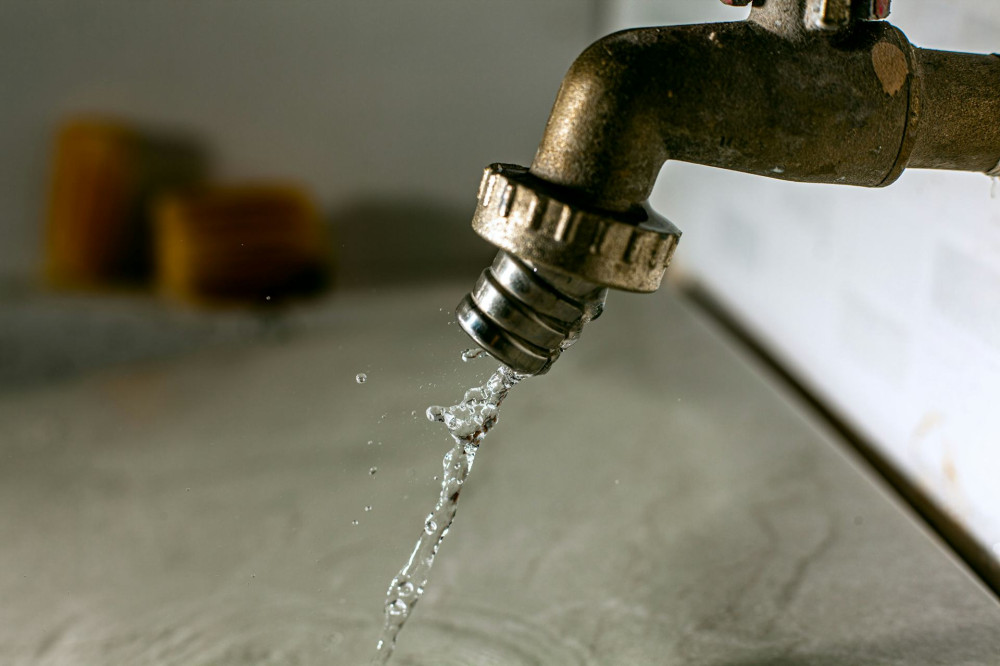
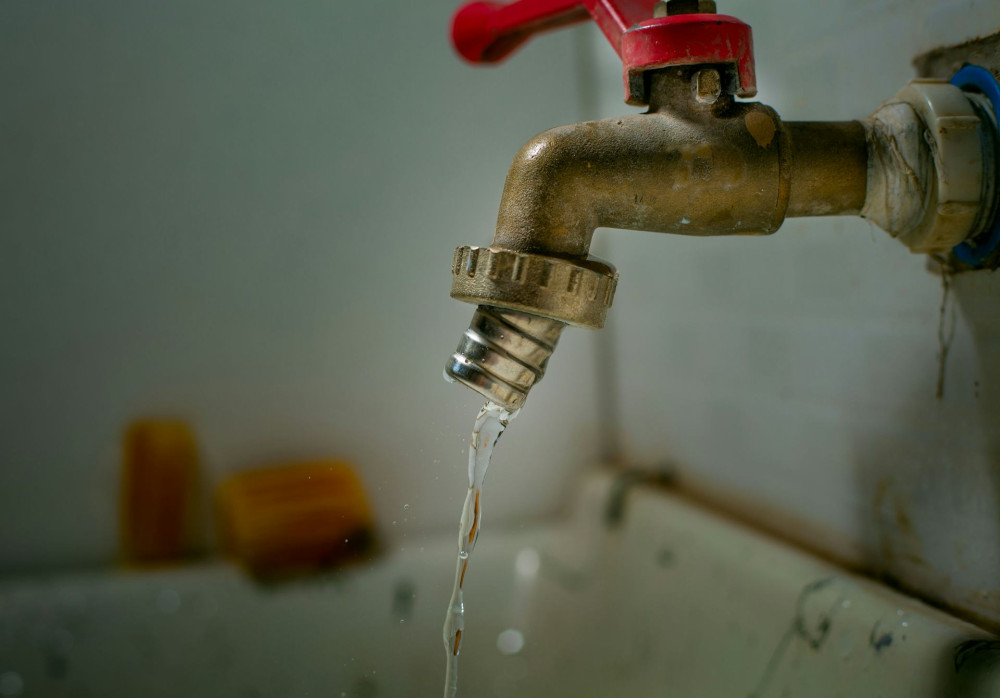
- Dripping taps – even a slow drip can waste thousands of litres of water a year.
- Damp joints around pipes, valves, and drains.
- Discolouration on walls, ceilings, or floors, especially near plumbing.
- White or green deposits on fittings – these can indicate a slow leak.
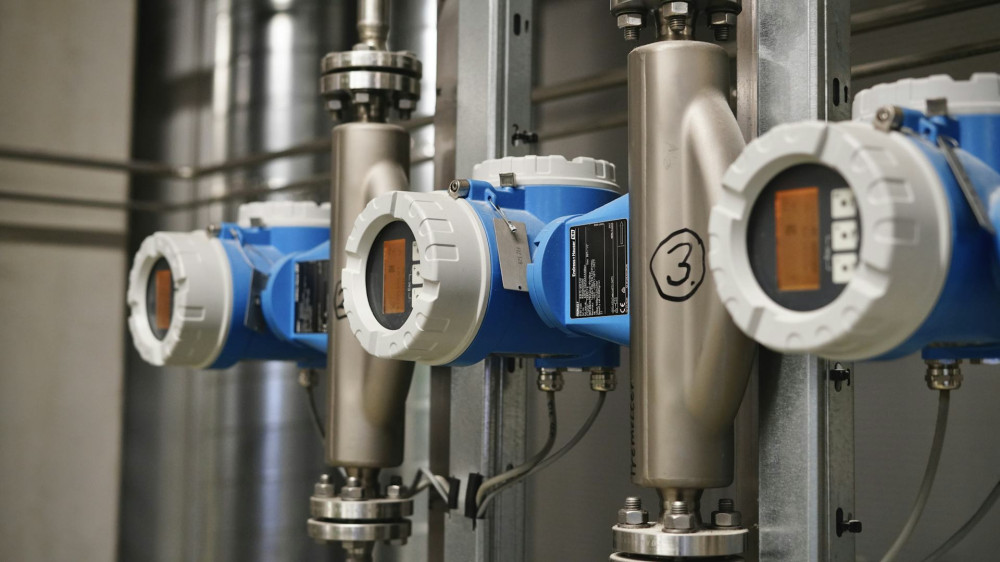
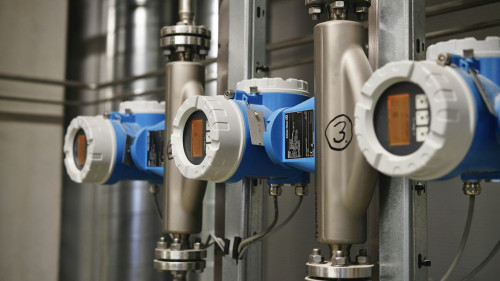
- Unexplained high water bills – check your water meter if you suspect a leak.
The sooner you find the problem, the easier and cheaper it is to fix.
Læs også:

Check the most vulnerable areas
Some parts of your home are more prone to leaks than others. A quick inspection a few times a year can save you a lot of stress later.
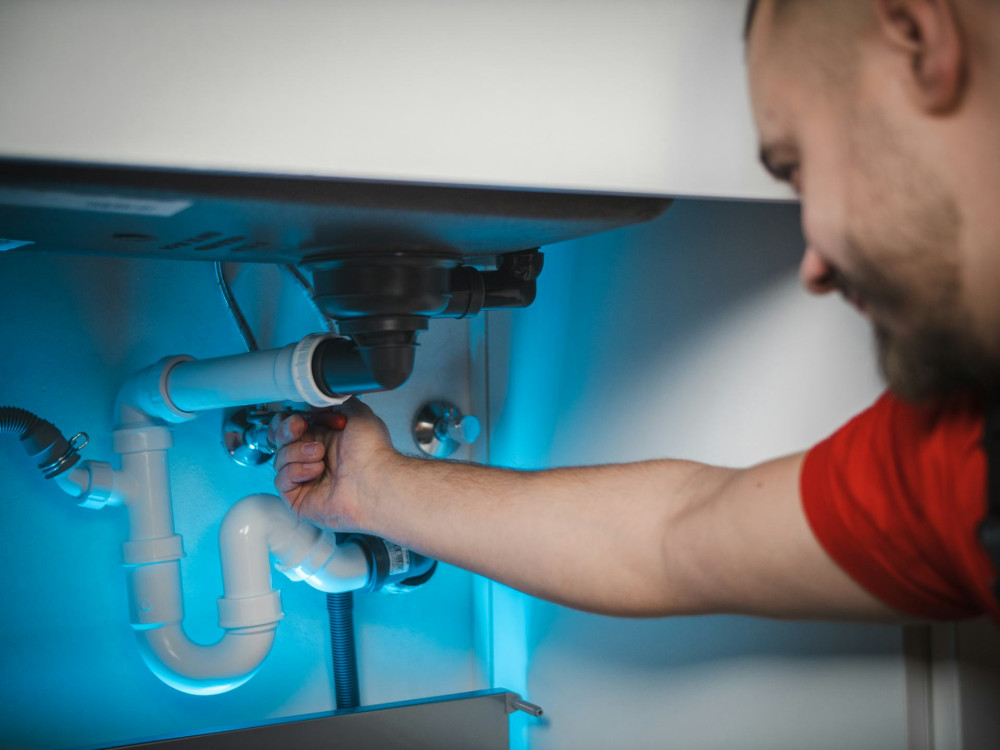
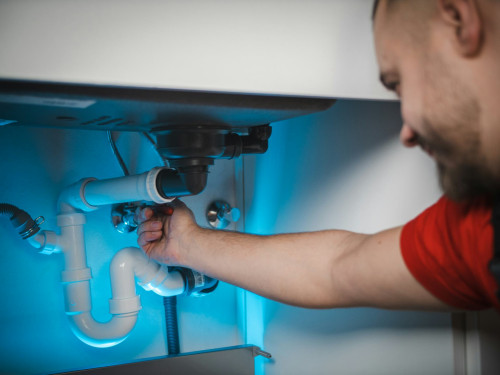
- Under the kitchen sink – this is where many pipes and joints meet, and leaks can quickly cause damage to cupboards.
- Bathroom – check seals, drains, and joints around the basin, toilet, and shower.
- Laundry and hot water system – look for drips from the washing machine, water heater, or valves.
- Outdoor taps and irrigation systems – leaks here can waste water and create soggy patches in the garden.
- Roof and ceiling – after heavy rain or storms, check for damp spots or water stains that could indicate a roof leak.
Make it a habit to look around when you’re cleaning or tidying up – it only takes a few minutes.
How to test for hidden leaks
If you suspect a leak but can’t see it, there’s a simple way to check. Turn off all taps and water-using appliances, then read your water meter. Wait an hour without using any water. If the meter reading has changed, there’s likely a leak somewhere in your system.
You can also use a piece of paper towel to check joints and fittings – wipe around the pipes and see if the paper becomes damp. It’s a quick way to spot small drips that might otherwise go unnoticed.
Act quickly – and get help if you’re unsure
Even small leaks should be taken seriously. Water can seep into walls and floors, creating the perfect environment for mould and rot. If you find a leak, turn off the water supply and contact a licensed plumber. This is especially important for hidden pipes or installations you’re not allowed to repair yourself.
A professional can quickly locate the source and make sure the repair is done properly. It might seem like an expense now, but it’s far cheaper than fixing major water damage later.
Prevent problems with regular maintenance
Prevention is the best protection against water damage. Make sure to:
- Tighten fittings and replace worn washers or seals.
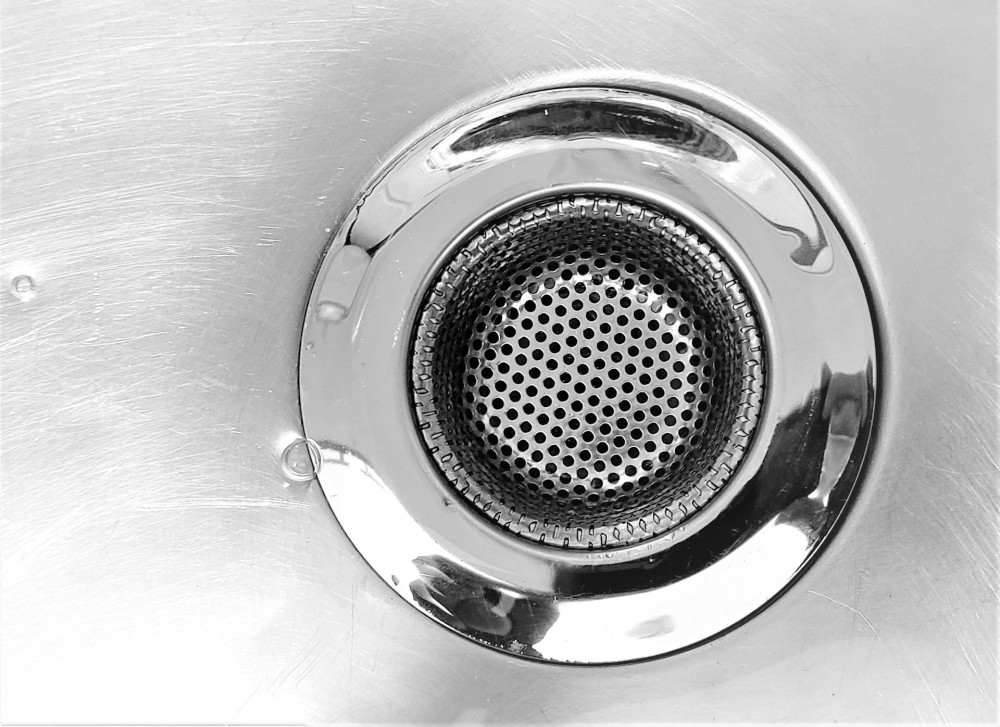
- Clean drains regularly so water can flow freely.
- Check your water pressure – high pressure can strain pipes and valves.
- Replace old hoses on washing machines and dishwashers every 5–10 years.
- Turn off the main water supply if you’re going away for an extended period.
A few minutes of maintenance can prevent major damage and give you peace of mind.
A small effort with a big payoff
Checking for drips and leaks might not be the most exciting part of home ownership, but it’s one of the most effective ways to protect your property. A few simple routines and a bit of attention can save you from wasted water, costly repairs, and unnecessary stress.
So next time you hear a drip or notice a damp patch, take it as a friendly reminder that it’s time for a quick check. It could turn out to be the best investment you make in your home this year.
Læs også: