Less CO₂ with Heat Pumps: An Important Step Toward Fossil-Free Heating


Less CO₂ with Heat Pumps: An Important Step Toward Fossil-Free Heating
As Australia moves toward a cleaner and more sustainable energy future, the way we heat our homes and buildings is becoming increasingly important. A significant share of household energy use goes into heating and cooling, and much of that energy still comes from fossil fuels such as gas. Heat pumps offer a powerful alternative – they can provide comfortable indoor temperatures with far lower CO₂ emissions and greater energy efficiency.
How Heat Pumps Work
A heat pump works a bit like a reverse air conditioner. Instead of removing heat from inside a building and releasing it outdoors, it extracts heat from the air, ground, or water outside and transfers it indoors. Even when the air feels cool, there is still usable heat energy that the pump can capture and amplify.
There are several main types of heat pumps:
- Air-to-air heat pumps, which deliver warm or cool air directly into the home.
- Air-to-water heat pumps, which heat water for radiators, underfloor systems, or domestic hot water.
- Ground-source heat pumps, which draw on the stable temperature underground through buried pipes.
All of these systems run on electricity, but they typically produce three to four times more heat energy than the electricity they consume. This makes them one of the most efficient heating technologies available today.
A Key Part of the Energy Transition
As Australia’s electricity grid becomes greener, with more solar and wind power feeding in every year, heat pumps become even more climate-friendly. Instead of burning gas in each household, we can use renewable electricity to generate heat efficiently and cleanly.
According to the Australian Renewable Energy Agency (ARENA), switching from a gas heater to a modern heat pump can cut household emissions by more than half, depending on the local electricity mix. In addition, heat pumps eliminate the need for gas connections, reduce indoor air pollution, and can provide both heating and cooling in one system – a major advantage in Australia’s variable climate.
Læs også:

Costs and Incentives
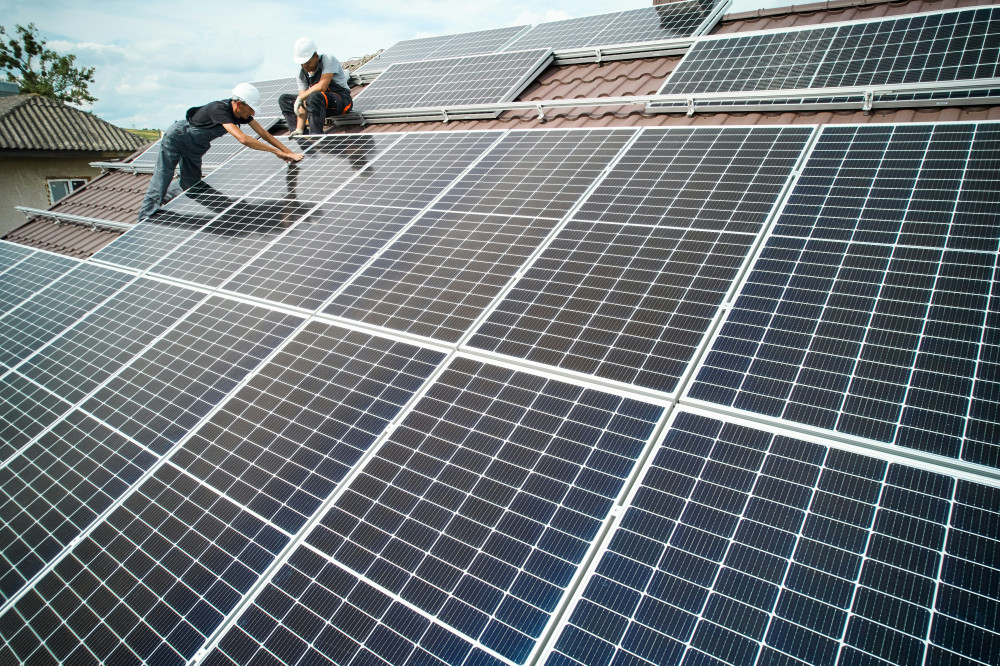
While installing a heat pump can require a higher upfront investment than replacing a gas heater, the running costs are often lower, especially when powered by rooftop solar. Over time, the savings on energy bills can offset the initial cost.
Several state and federal programs support the transition to electric heating. For example, the Victorian Energy Upgrades program and the New South Wales Energy Savings Scheme offer rebates for households that replace gas systems with efficient electric heat pumps. It’s worth checking local incentives before making a decision, as they can significantly reduce installation costs.
Shared and Community Solutions
Beyond individual homes, shared heat pump systems are emerging as a smart solution for apartment buildings, housing developments, and regional communities. These systems can supply heating and hot water through a local network, similar to small-scale district heating. By pooling resources, communities can achieve lower costs and higher efficiency while cutting emissions collectively.
Such projects are already being explored in parts of Victoria and the ACT, where local councils and developers are working together to create fossil-free neighbourhoods.
The Future of Heating in Australia
Heat pumps are not the only answer to decarbonising Australia’s energy use, but they are one of the most practical and effective technologies available today. Combined with better insulation, smart energy management, and renewable electricity, they can play a major role in achieving net-zero emissions.
For homeowners, choosing a heat pump means lower CO₂ emissions, reduced dependence on fossil fuels, and a more comfortable, climate-friendly home.
Switching to a heat pump isn’t just a technical upgrade – it’s a step toward a cleaner, more sustainable future for all Australians.
Læs også: