What to Expect from a Meeting with an Energy Consultant

What to Expect from a Meeting with an Energy Consultant
Meeting with an energy consultant can be the first step towards a more efficient, comfortable, and sustainable home. Whether you live in an older Queenslander, a modern townhouse, or a rural property, an energy consultant can help you understand how your home uses energy and where you can make improvements that save money and reduce your environmental footprint. But what actually happens during such a meeting, and what should you expect when the consultant arrives?
What Does an Energy Consultant Do?
An energy consultant is a professional who specialises in assessing how buildings use energy for heating, cooling, hot water, and electricity. Their goal is to identify where energy is being wasted and to recommend practical, cost-effective ways to improve efficiency.
In Australia, this might include advice on insulation, shading, solar power, efficient air conditioning, or water heating systems. The consultant’s recommendations are tailored to your local climate zone – whether you’re dealing with tropical humidity, dry inland heat, or cool southern winters.
Læs også:

Before the Meeting – Preparation and Expectations
Before the visit, you’ll usually be asked to provide some basic information about your home: its size, age, construction type, and current energy systems. If you have recent electricity or gas bills, it’s helpful to share them too, as they give the consultant a clearer picture of your energy use patterns.
It’s also worth thinking about your goals. Are you mainly looking to cut your power bills, improve comfort, or make your home more sustainable? Do you have specific projects in mind, such as installing solar panels or upgrading insulation? The clearer your objectives, the more targeted the consultant’s advice will be.
During the Visit – A Walkthrough of Your Home
A typical consultation lasts one to two hours, depending on the size and complexity of your property. The consultant will start with a short discussion about your concerns and priorities, then walk through your home with you.
They’ll look at:
- Insulation and building envelope – checking roof, walls, and floors for heat loss or gain.
- Windows and shading – assessing glazing, seals, and sun protection such as awnings or blinds.
- Heating and cooling systems – evaluating air conditioners, heat pumps, or other systems for efficiency.
- Hot water systems – reviewing the type, age, and energy source.
- Lighting and appliances – identifying opportunities to switch to more efficient options.
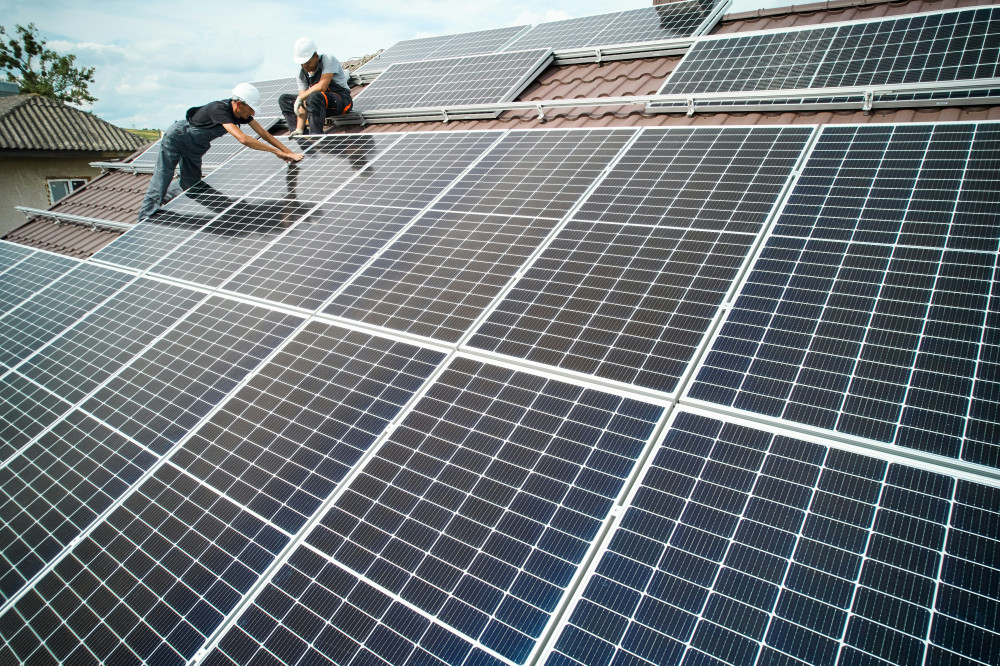
- Renewable energy potential – considering whether solar PV or battery storage could be worthwhile.
Some consultants use thermal cameras or airflow meters to detect leaks and temperature variations. This helps pinpoint exactly where energy is being lost.
After the Visit – Report and Recommendations
Following the inspection, the consultant will prepare a report summarising their findings and recommendations. This report may include:
- An overview of your home’s current energy performance.
- A list of suggested improvements, from simple behavioural changes to larger upgrades.
- Estimated costs, savings, and payback periods for each recommendation.
- Guidance on available rebates or government incentives, such as those offered under state or federal energy efficiency programs.
You can use the report as a roadmap for future upgrades or as supporting documentation if you apply for energy efficiency grants or green loans.
What You’ll Gain from the Meeting
A consultation with an energy expert gives you more than just technical data – it provides clarity and confidence. You’ll understand where your home’s energy is going, which improvements will make the biggest difference, and how to prioritise your investments.
Many homeowners find that even small changes – like sealing gaps, adjusting thermostat settings, or upgrading lighting – can lead to noticeable savings. For others, the consultation becomes the starting point for a larger retrofit that boosts comfort, cuts bills, and increases property value.
A Step Towards a More Sustainable Home
Inviting an energy consultant into your home is an investment in both your property and the planet. You’ll gain insights that help you make smarter, more sustainable choices – and create a home that’s comfortable year-round, no matter the Australian climate.
Whether you live in the city, by the coast, or in the outback, a meeting with an energy consultant can be the key to understanding how your home uses energy – and how you can use it better.
Læs også: