Recycling in Energy Retrofits: Giving Materials a New Lease on Life

Recycling in Energy Retrofits: Giving Materials a New Lease on Life
When we talk about energy retrofits, the focus often falls on insulation, glazing, and heating systems. But there’s another powerful – and often overlooked – opportunity: reusing and recycling building materials. By giving existing materials a second life, we can save resources, cut carbon emissions, and create buildings with character and history. Here’s how recycling can become a natural part of your next energy retrofit project in Australia.
Why Recycling Makes Sense
The construction industry is one of the largest consumers of raw materials and producers of waste worldwide. In Australia, construction and demolition waste accounts for a significant portion of landfill volume, even though much of it could be reused. When we demolish and rebuild, valuable materials like bricks, timber, and metal often go to waste – despite being perfectly serviceable.
Reusing materials, whether directly or through upcycling, reduces the need for new resources and the energy used in manufacturing and transport. It also helps lower the embodied carbon of a project – a key factor in achieving Australia’s net-zero goals.
Beyond the environmental benefits, recycled materials can add warmth and authenticity to a building. Reclaimed timber, vintage bricks, or repurposed steel can give a home or commercial space a unique aesthetic that new materials rarely match.
Start by Assessing What You Already Have
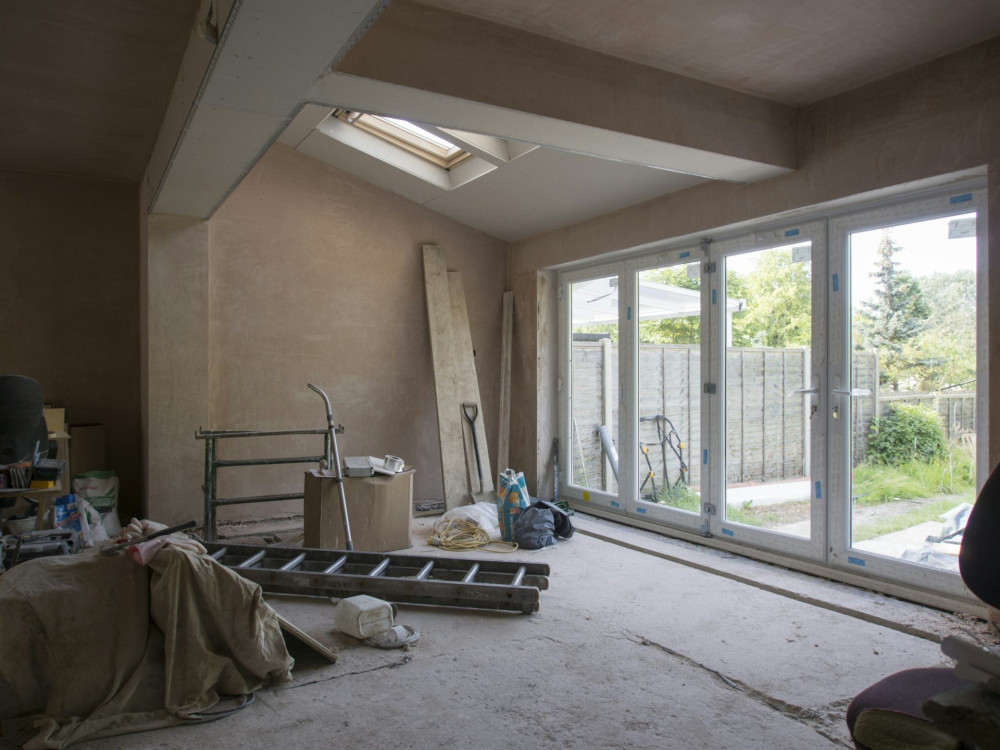
A successful energy retrofit begins with a thorough assessment of the existing building. Instead of stripping everything out, take stock of what can be retained or reused.
- Brickwork and masonry can often be cleaned and reused if structurally sound.
- Timber floors and beams can be sanded, repaired, or repurposed in new designs.
- Windows and doors can be upgraded with new seals or double glazing rather than replaced entirely.
- Roof tiles can be reused if they remain intact and weatherproof.
By preserving as much as possible, you save both money and resources – and prevent unnecessary waste from ending up in landfill.
Balancing Recycling and Energy Efficiency
Some assume that recycling and energy efficiency are at odds, but they can complement each other beautifully. The key is finding the right balance between preservation and performance.
Take old timber windows, for example. Instead of replacing them, you can retrofit them with energy-efficient glazing and improved seals. This approach maintains the building’s original charm while significantly reducing heat loss.
Similarly, internal insulation or roof insulation can improve thermal performance without altering the building’s exterior – a particularly useful strategy for heritage properties or homes in conservation areas.
Finding Materials and Skilled Partners
If you need additional recycled materials, there are growing options across Australia. Specialist suppliers, salvage yards, and online marketplaces offer everything from reclaimed bricks to recycled steel. Some local councils also operate resource recovery centres where you can source reusable materials.
Working with builders and tradespeople experienced in reuse is invaluable. They understand how to handle older materials safely and ensure they meet modern standards for strength, durability, and fire safety.
Læs også:

Documentation and Quality Assurance
When using recycled materials, proper documentation is essential. You’ll need to know where materials come from, their condition, and any treatments they’ve undergone. This information supports building approvals and ensures long-term maintenance is straightforward.
Australia’s Green Star and NABERS frameworks increasingly recognise the value of circular construction practices. Certification systems and material databases can help verify the quality and sustainability of reused products, making it easier for designers and builders to integrate them confidently.
Recycling as Part of the Future of Building
Recycling in energy retrofits isn’t just a passing trend – it’s a crucial step toward a more sustainable built environment. By thinking circularly, we can extend the life of materials, reduce waste, and create buildings that are both energy-efficient and environmentally responsible.
At the same time, this approach invites a new kind of architectural storytelling: buildings that reflect their past through the materials they’re made of. It’s not only good for the planet – it’s good for our sense of place and heritage.
Læs også: