New Builds with Care: Integrate Smart Solutions from the Start


New Builds with Care: Integrate Smart Solutions from the Start
Building a new home is a rare opportunity to think ahead – not just about design and comfort, but about energy, technology, and long-term value. A modern Australian home should be more than a place to live; it should be a space that adapts to your lifestyle and the environment. By integrating smart solutions from the very beginning, you can save time, money, and resources while creating a home that’s ready for the future.
Plan with the Whole Picture in Mind
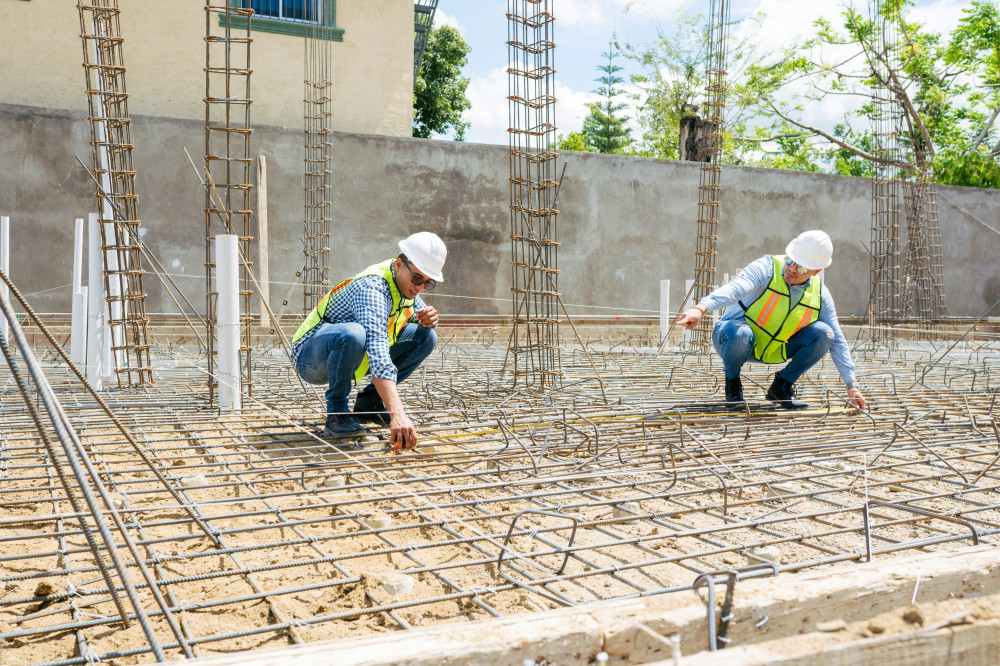
Every great build starts long before the first slab is poured. The planning stage is where you have the most influence over how your home will function day to day. This is the time to think holistically: how will you live in the space, and how can technology make that experience better?
Consider:
- Energy efficiency and sustainability – choose systems that reduce electricity and heating costs, such as solar panels, battery storage, and smart climate control.
- Flexibility – design wiring and infrastructure so they can be expanded or upgraded as your needs evolve.
- Comfort and security – integrate systems that make life easier, like automated lighting, smart locks, and home monitoring.
The earlier you plan for these elements, the easier and more cost-effective they are to implement.
Smart Home from the Ground Up
Smart homes aren’t just for tech enthusiasts – they’re for anyone who values convenience, efficiency, and comfort. When you’re building new, you can plan cabling, sensor placement, and network coverage so everything works seamlessly from day one.
Some smart features worth integrating early include:
- Intelligent lighting that adjusts to natural daylight and can be controlled via app or voice.
- Automated heating and cooling that learns your habits and optimises energy use.
- Smart power management, allowing you to monitor and control appliances remotely.
- Integrated Wi-Fi and data networks to ensure strong, consistent coverage throughout the home.
By embedding this infrastructure during construction, you avoid costly retrofits and messy add-ons later.
Energy and Environment – Build Green and Smart
In Australia’s climate, energy efficiency isn’t just a bonus – it’s essential. A well-designed home can stay cool in summer and warm in winter while keeping energy bills low. Building sustainably also means reducing your environmental footprint for years to come.
Think about combining:
- Solar panels with battery storage, so you can make the most of your own power generation.
- Heat pump systems instead of gas, cutting both emissions and running costs.
- Rainwater harvesting for garden irrigation or toilet flushing.
- Low-impact materials, such as sustainably sourced timber, recycled bricks, or natural insulation.
When these features are built in from the start, they become a natural part of your home’s design and performance.
Everyday Comfort and Convenience
A smart home isn’t just about saving energy – it’s about improving your daily life. Imagine your home automatically lowering blinds to keep the heat out, or gently lighting your path when you wake up. You could check if the doors are locked while you’re away, or receive an alert if a leak is detected.
These conveniences require planning, but once installed, they quickly become part of your everyday routine – making your home safer, more comfortable, and more enjoyable.
Harmony Between Design and Technology
Technology should enhance your home, not dominate it. That’s why collaboration between your architect, builder, and technology specialist is key. Together, they can ensure that smart systems are integrated discreetly and harmoniously into the design.
Sensors can be hidden in ceilings, control panels can blend with interior finishes, and wiring can be concealed within walls. The result is a clean, modern look that feels both functional and timeless.
Future-Proofing – Build for What’s Next
Technology evolves fast, and what’s cutting-edge today may be standard tomorrow. The best way to stay ahead is to build with flexibility in mind. Make sure your electrical and data systems can be expanded, and choose open platforms that can communicate with new devices as they emerge.
Opting for interoperable systems gives you the freedom to add new features later – without tearing down walls or starting from scratch.
Læs også:

A Home That Thinks with You
Building with care is about more than energy savings. It’s about creating a home that adapts to you – a place where design, technology, and sustainability work together.
By integrating smart solutions from the start, you’re not just building a house for today – you’re creating a home that’s ready for the future.
Læs også: