Requirements, Standards and the Big Picture: How the Builder Stays Balanced

Requirements, Standards and the Big Picture: How the Builder Stays Balanced
Building new or undertaking a major renovation is a complex task. The builder stands at the centre of a web of requirements, standards, budgets and expectations – from regulators, consultants, contractors and future users. It takes both perspective and judgement to stay balanced between the technical, the aesthetic and the human. How do you make sure a project meets every rule without losing sight of the bigger picture?
The Builder as Conductor
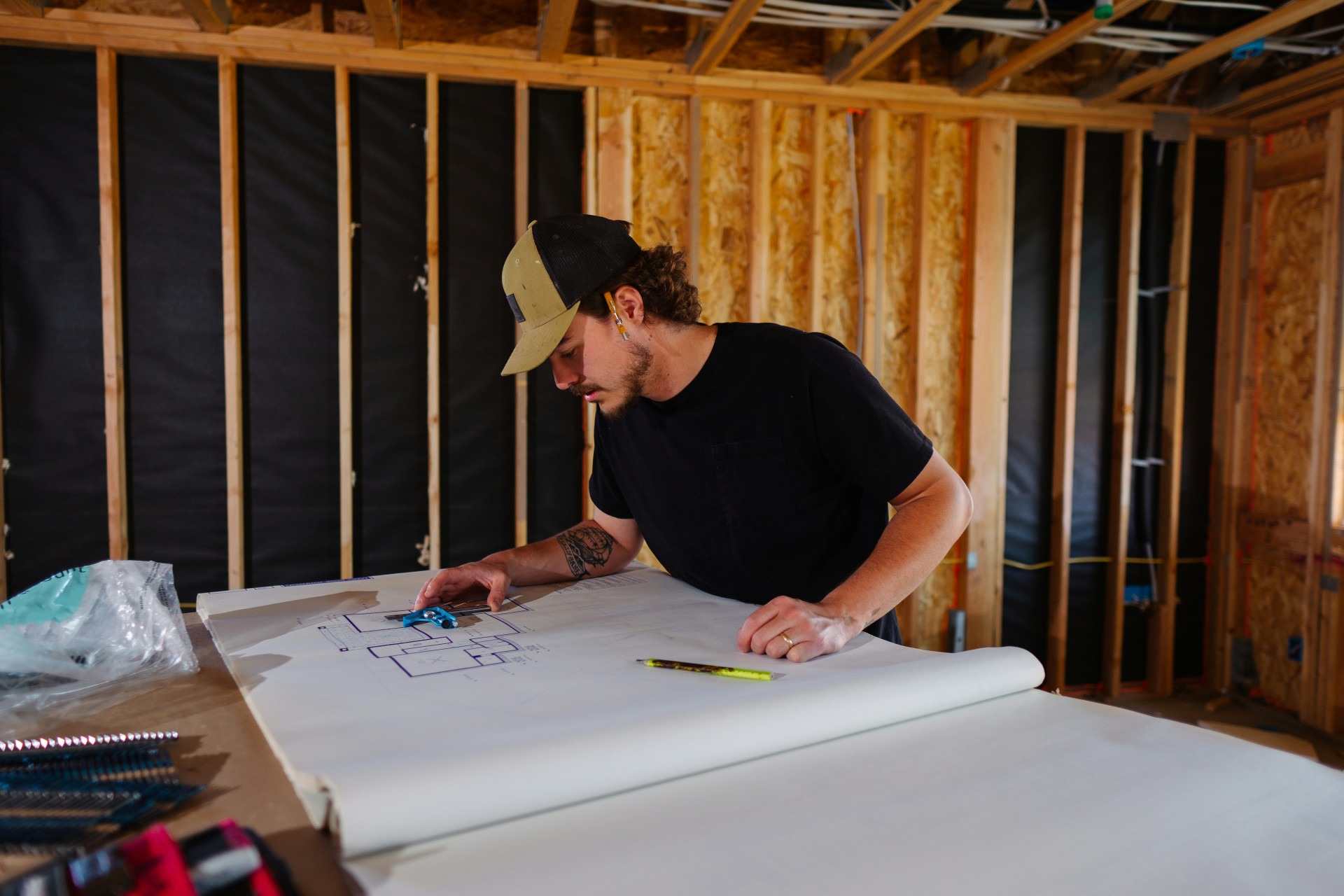
A builder is not just the one who signs the contracts or pays the bills. The role is more like that of a conductor, bringing together many different disciplines to play in harmony. Architects, engineers, trades, certifiers and local councils each have their own language and priorities – and it’s the builder’s job to connect the dots.
That requires a clear vision of what the project should achieve and an understanding of how each part affects the others. A building is rarely better than the collaboration behind it. Communication and alignment of expectations are therefore just as important as technical specifications.
Requirements and Standards – Essential but Demanding
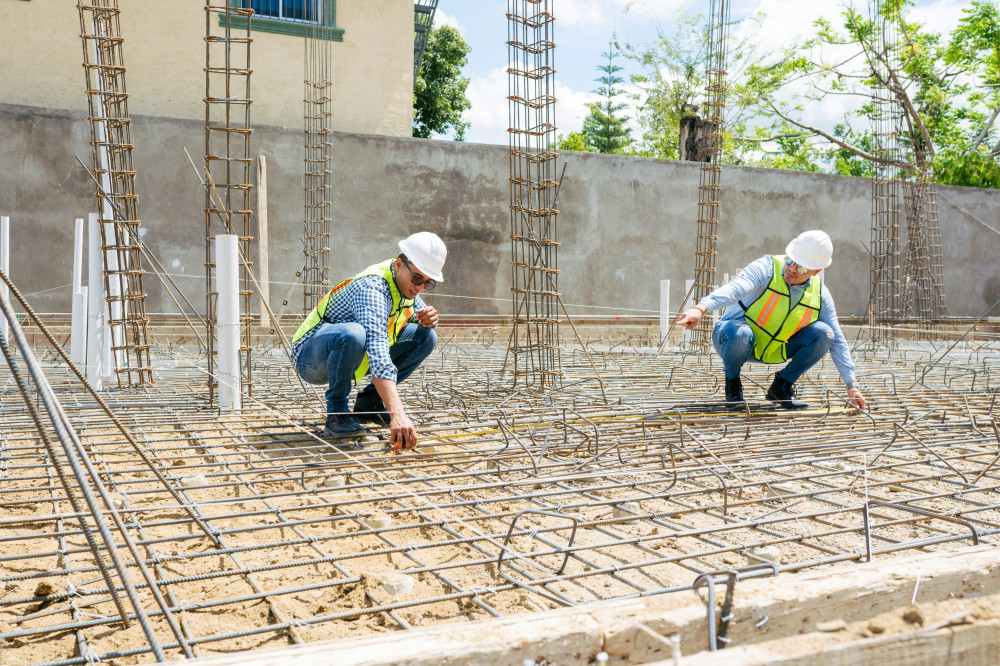
Australia’s construction industry is governed by a dense framework of codes and standards. The National Construction Code (NCC), Australian Standards, state-based planning laws, and Work Health and Safety regulations all aim to ensure safety, quality and sustainability. But they can also feel overwhelming.
For the builder, the challenge is to understand which requirements are absolute and where there is room for interpretation or innovation. This is where experienced consultants are invaluable. A skilled architect or engineer can translate the rules into solutions that both comply and support the project’s intent.
Holistic Thinking as Counterbalance
When the list of requirements grows long, there’s a risk of losing coherence. It’s easy to optimise one aspect – energy efficiency, acoustics, materials – without considering how it interacts with the rest. Holistic thinking is the antidote.
A good building works as an integrated system, where form, function and technology support each other. The builder must keep sight of the overarching goals: What is the building for? Who will use it? How should it feel and perform? When these questions are clear, the right decisions become easier to make along the way.
Cost and Quality – Two Sides of the Same Coin
Budget is always a reality, but cost and quality don’t have to be opposites. In fact, a well-defined financial framework can sharpen the project’s focus. It’s about prioritising – spending where it makes the greatest difference.
Builders who take a whole-of-life view stand stronger. That means looking beyond the initial construction cost to consider maintenance, durability and energy performance. A cheaper option today can become expensive tomorrow if it leads to higher running costs or early replacement.
Collaboration and Trust as Foundations
Every building project is a shared effort. When collaboration works, the outcome improves – in both quality and process. The builder plays a key role in fostering a culture of trust and openness, where challenges are addressed early and everyone feels heard.
Early involvement of subcontractors, suppliers and end users can be a major advantage. It allows ideas to be tested, solutions refined and costly changes avoided later. It also builds a sense of ownership and shared purpose across the team.
Sustainability as a Guiding Principle
Sustainability is no longer an optional extra – it’s central to how we build in Australia. The builder helps set the tone for environmental, social and economic responsibility. It’s not just about energy ratings or recycled materials, but about designing for longevity, adaptability and minimal impact.
A sustainable building is one that can serve its purpose for decades, evolving with its users and environment. Achieving that requires integrated thinking from the start – and the courage to aim higher than the minimum compliance level.
Læs også:

Balance as the Builder’s Core Skill
Being a builder today means balancing many forces: regulations and vision, cost and quality, detail and whole. It takes both structure and intuition – and the ability to hold onto what truly matters when complexity grows.
The best builders are not those who control every detail, but those who create the conditions for good decisions to be made. When that balance is achieved, the result is more than a compliant building – it’s a place that works, inspires and endures.
Læs også: