Self-checks on construction sites reduce errors and improve outcomes

Self-checks on construction sites reduce errors and improve outcomes
Australia’s construction industry is fast-paced, complex, and highly regulated. With multiple trades working side by side and tight project deadlines, even small mistakes can lead to costly delays or safety risks. In this environment, systematic self-checks have become one of the most effective ways to ensure quality, safety, and efficiency. When builders, subcontractors, and site managers take responsibility for checking their own work as it progresses, errors are reduced, and project outcomes improve significantly.
What are self-checks – and why do they matter?
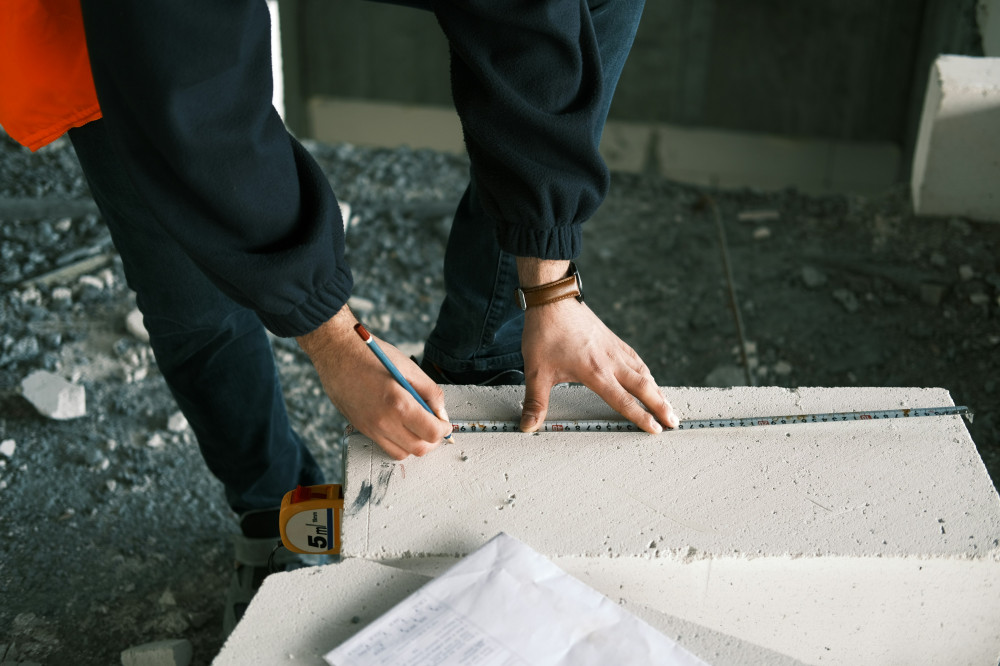
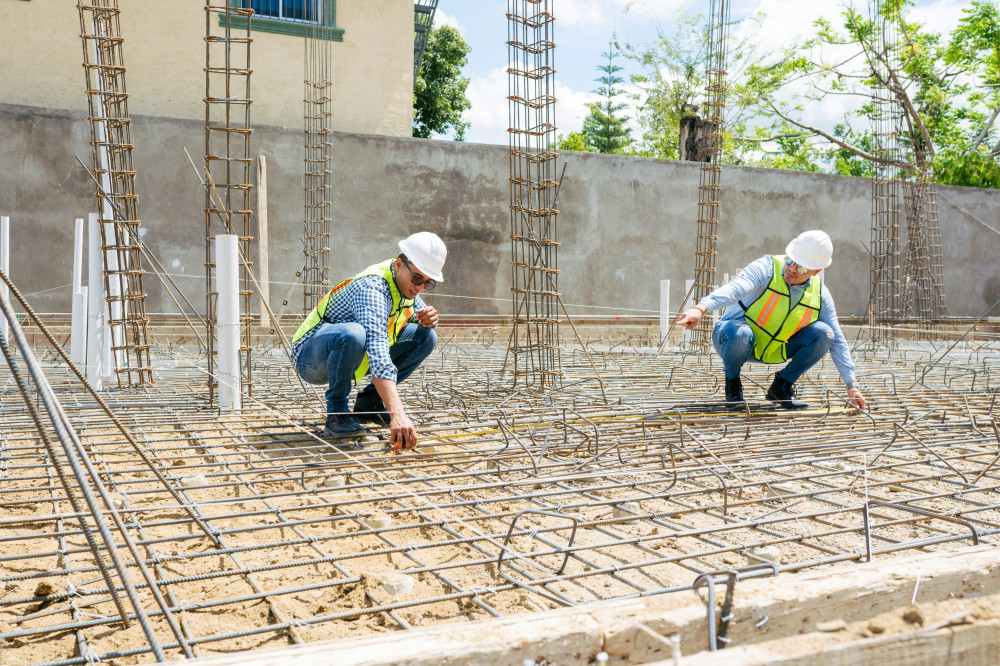
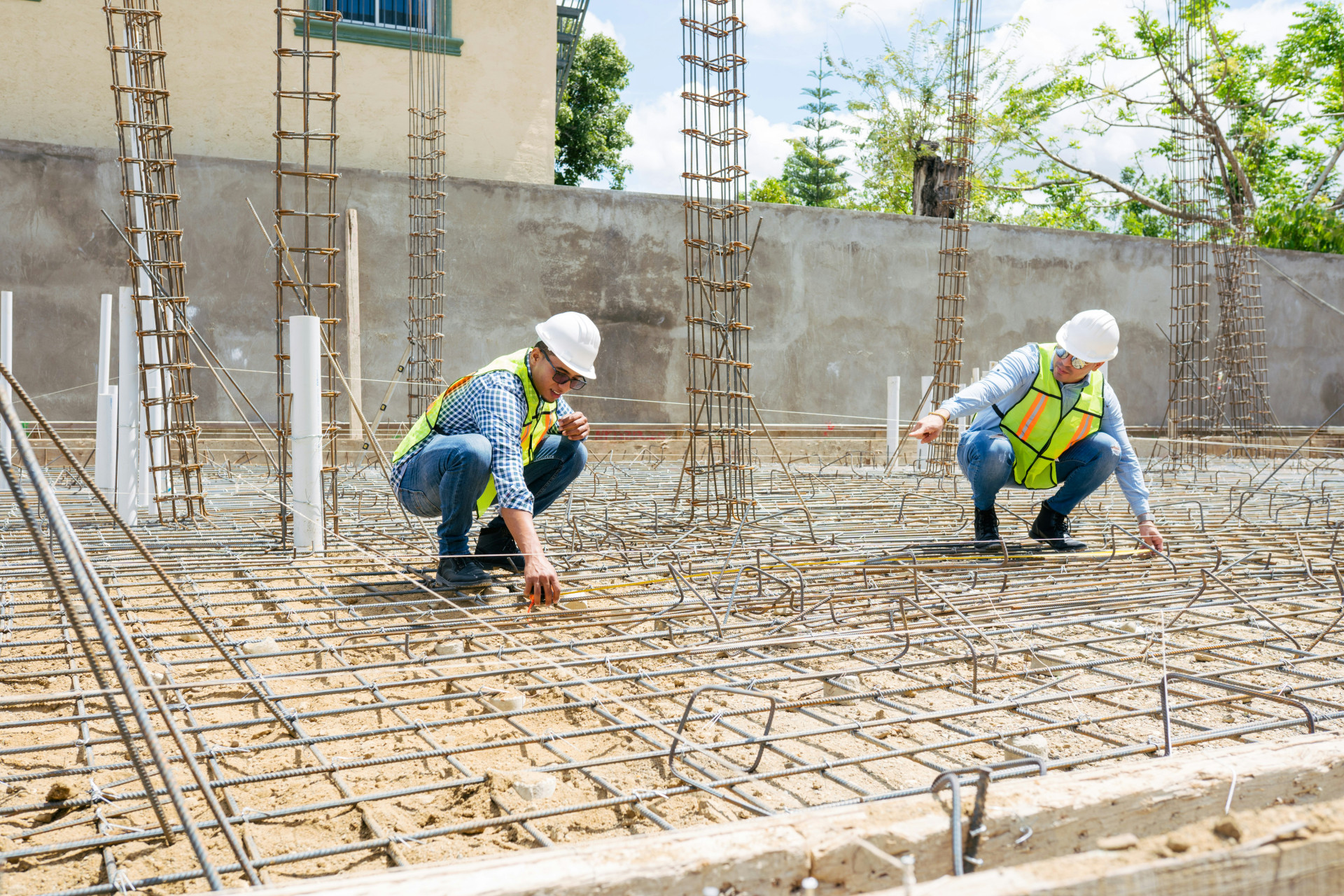
A self-check means that the person or team performing the work also verifies and documents that it meets the required standards, specifications, and codes. This can include checking concrete strength, waterproofing, insulation, fire seals, or electrical installations.
The goal is not to replace independent inspections or third-party audits, but to build a culture where quality is embedded in every task. When issues are identified early, they can be corrected before they escalate into expensive rework or safety incidents.
Læs også:

From paper to digital tools
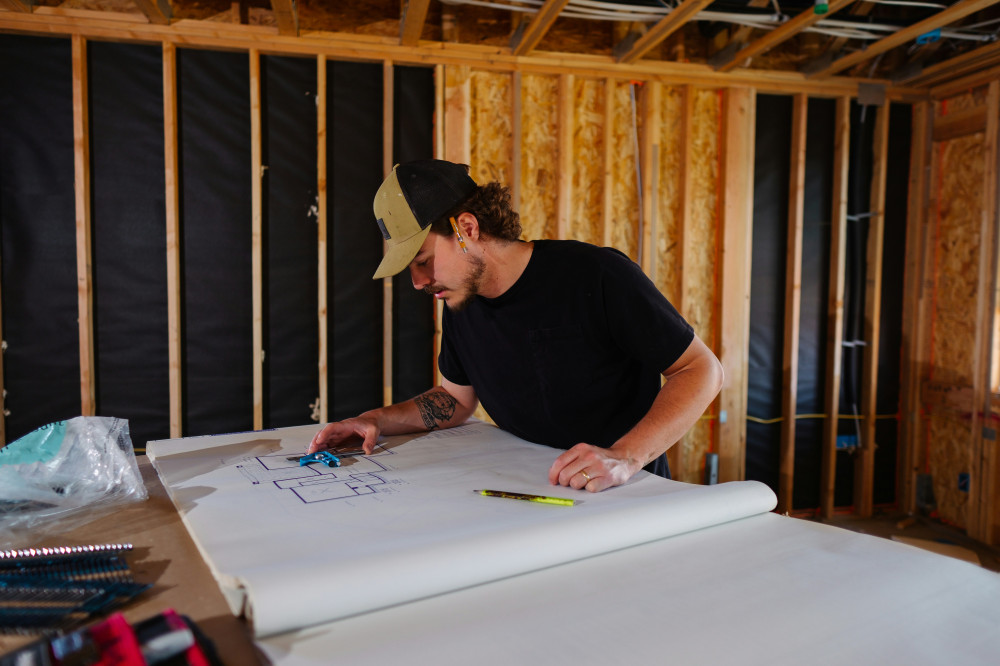
Traditionally, self-checks were done on paper using checklists and sign-off sheets that had to be filed and stored. Today, many Australian construction sites are moving to digital systems, where checks are completed via mobile apps or tablets. This allows workers to take photos, record data, and share updates instantly with supervisors or project managers.
Digital tools also make it easier to track progress and identify missing documentation. This transparency helps teams respond quickly to potential issues and turns quality assurance into a natural part of daily site operations rather than an administrative burden.
Building a culture of accountability
The greatest benefit of self-checks comes when they become part of the site culture. That requires everyone—from apprentices to site supervisors—to understand why the process matters. It’s not just about compliance; it’s about pride in workmanship and professional reputation.
When tradespeople document and verify their own work, it fosters ownership and accountability. Quality becomes a shared goal rather than a box-ticking exercise. It also strengthens collaboration between trades, as everyone works toward the same objective: delivering a project free from defects and delays.
Fewer errors, stronger results
Industry experience shows that systematic self-checks can reduce defects and rework by up to 30 percent. That means fewer call-backs, less wasted time, and lower rectification costs. Clients benefit from smoother handovers, and contractors gain from improved profitability and reputation.
For construction companies, self-checks are an investment in both quality and business performance. A well-documented process also provides valuable evidence if disputes arise later about workmanship or compliance.
How to get started
Implementing effective self-checks requires planning and clear communication. Here are some key steps:
- Develop a self-check plan – define what needs to be checked, when, and by whom.
- Adopt digital tools – use apps or software that make documentation simple and accessible.
- Train your team – ensure everyone understands the purpose and process of self-checking.
- Review and improve – analyse results regularly and use feedback to refine procedures.
- Recognise success – celebrate improvements in quality and efficiency to keep teams motivated.
Data-driven construction
Self-checks are not just about compliance—they also generate valuable data. When checks are recorded digitally, the information can be analysed to identify trends, recurring issues, and opportunities for improvement. Over time, this data helps companies refine their processes, reduce risk, and deliver higher-quality projects more efficiently.
A small effort with a big impact
Self-checks require time and attention, but the payoff is clear: fewer errors, better teamwork, and stronger project outcomes. When everyone on site takes responsibility for their own work, the result is a safer, more efficient, and higher-quality build—something that benefits the entire Australian construction industry.
Læs også: