Adjust your heating system for a stable and comfortable room temperature

Adjust your heating system for a stable and comfortable room temperature
A well-tuned heating system is the key to a home that feels comfortable all year round – without sudden temperature swings or unnecessary energy bills. Many Australian homeowners, especially in cooler regions like Tasmania, Victoria, or the Southern Highlands, find that some rooms are too warm while others never quite reach the right temperature. Often, this comes down to an incorrectly adjusted system. Here’s a guide to help you fine-tune your heating setup for steady, efficient warmth.
Know your heating system
Before making any adjustments, it’s important to understand what type of heating system you have. In Australian homes, the most common systems include:
- Reverse-cycle air conditioners (heat pumps) – efficient for both heating and cooling, using electricity to transfer heat.
- Gas ducted heating – where warm air is distributed through ducts from a central gas furnace.
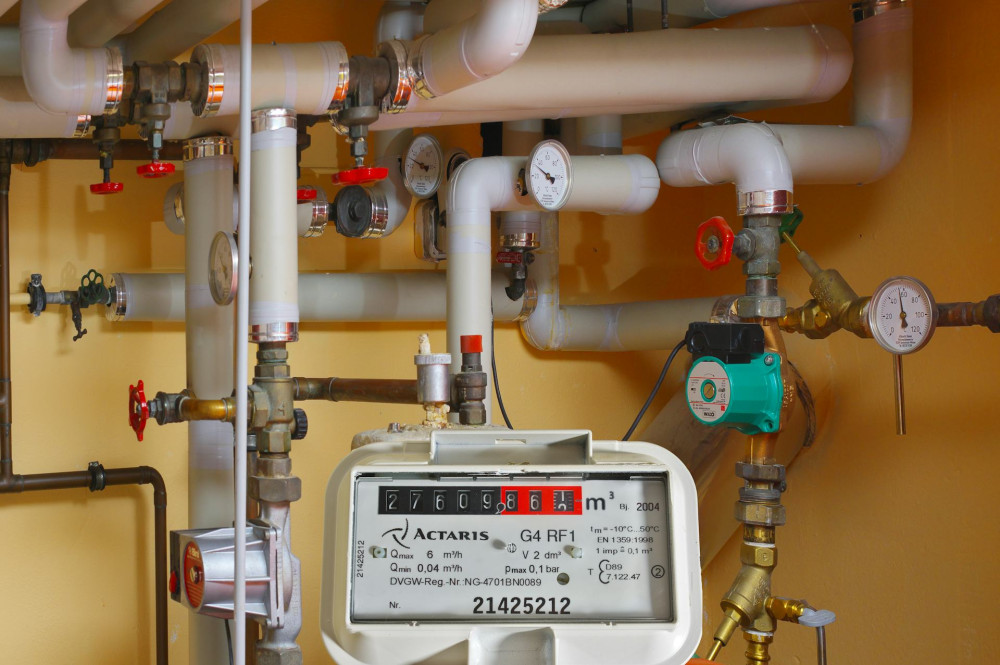
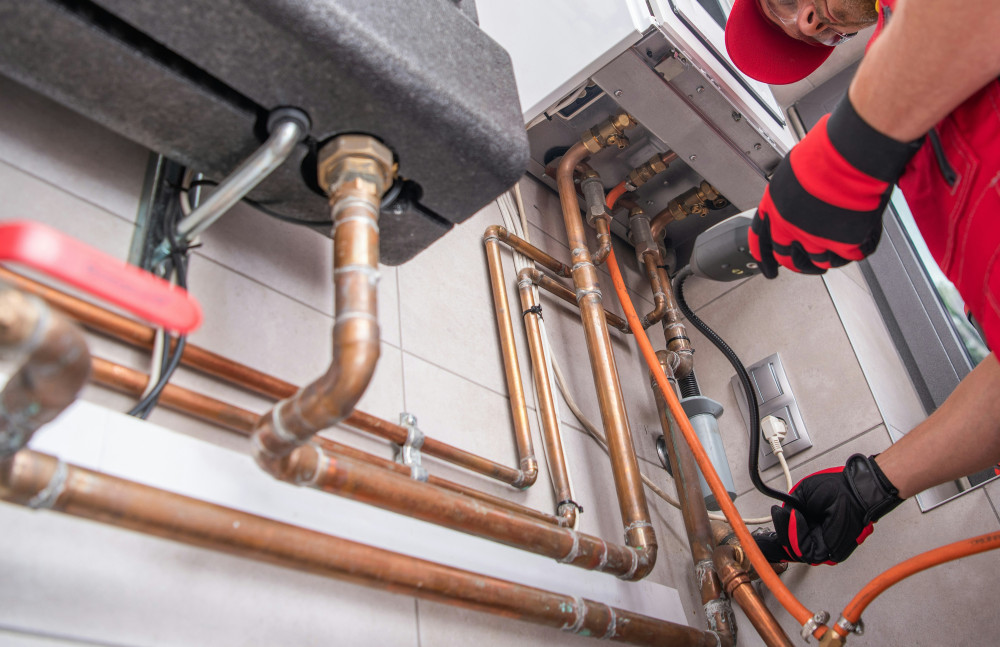
- Hydronic heating – using hot water circulated through pipes or radiators.
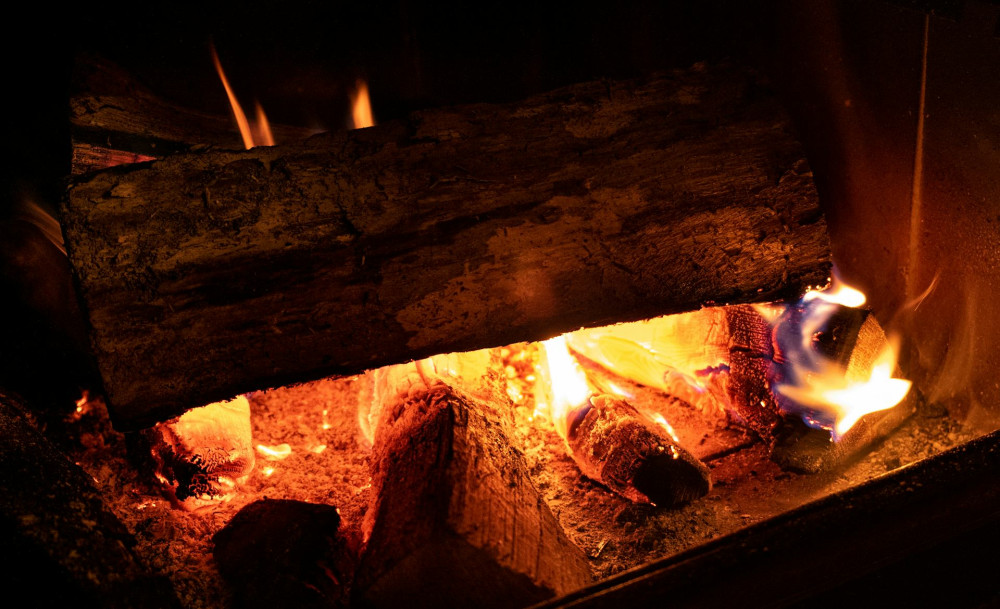
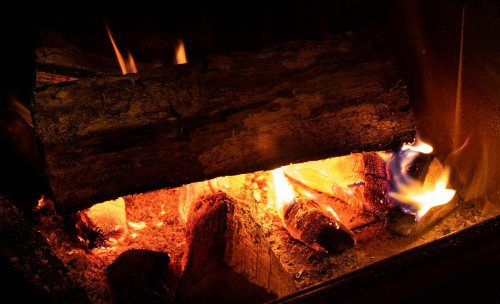
- Wood or pellet heaters – popular in rural areas for their cosy, radiant warmth.
Each system works differently, so always check the manufacturer’s manual before changing any settings.
Balance the heat distribution
Uneven heating is a common issue, especially in larger homes or those with multiple zones. If some rooms heat up quickly while others stay cold, your system may need balancing.
For ducted systems, check that vents are fully open in cooler rooms and partially closed in warmer ones. Make sure furniture or curtains aren’t blocking airflow. In hydronic systems, you can adjust the flow valves on radiators to ensure even heat distribution. It may take a few tries to get it right, but the result is a more consistent temperature throughout your home.
Set the right temperature
Setting your thermostat correctly is one of the simplest ways to improve comfort and efficiency. In most Australian climates, a temperature of 18–20°C is ideal for living areas during winter. Bedrooms can be kept slightly cooler.
Avoid the temptation to turn the thermostat up high to “heat the house faster” – it doesn’t work that way. The system will heat at the same rate but overshoot the desired temperature, wasting energy.
If your system has zoning controls, use them wisely. Heat only the rooms you use regularly, and close off unused areas to save energy.
Use your thermostat effectively
Modern thermostats and smart controllers can make a big difference. Programmable or smart thermostats allow you to set heating schedules that match your daily routine – for example, warming the house before you wake up and lowering the temperature while you’re out.
Place the thermostat in a central location away from direct sunlight, draughts, or heat sources. This ensures it measures the true room temperature and maintains a stable climate.
Maintain airflow and insulation
Even the best heating system can’t perform well if your home leaks heat. Check for draughts around windows, doors, and vents, and seal them where possible. Good insulation in the roof and walls helps retain warmth and reduces the load on your heating system.
For ducted systems, have the ducts inspected for leaks or damage. Poorly sealed ducts can waste a significant amount of energy and cause uneven heating.
Læs også:
Keep your system serviced
Regular maintenance keeps your heating system running efficiently and safely. Have a qualified technician service your system at least once a year – ideally before winter begins. They can check filters, fans, pumps, and safety controls, ensuring everything operates smoothly.
For reverse-cycle systems, clean or replace filters every few months to maintain airflow and efficiency. For gas systems, ensure the flue and burners are clean and that there are no signs of carbon monoxide leaks.
Create a comfortable indoor climate
Once your system is properly adjusted, you’ll notice a more stable and pleasant temperature throughout your home. Combine this with good ventilation and insulation for a healthy indoor environment. It’s not just about comfort – it’s about using energy wisely, saving money, and reducing your environmental footprint.
By taking the time to understand and fine-tune your heating system, you can enjoy a warm, comfortable home through the cooler months – without the stress of high energy bills or uneven temperatures.
Læs også: