Signs of Faults in Your Natural Gas Heater – and What You Can Do About Them

Signs of Faults in Your Natural Gas Heater – and What You Can Do About Them
For many Australian households, a natural gas heater is the heart of the home during the cooler months. It keeps living spaces comfortable and provides reliable hot water, often without much thought. But like any appliance, a gas heater can develop faults that affect performance, safety, and efficiency. The good news is that many issues can be spotted early if you know what to look for. Here’s a guide to the most common signs of trouble – and what you can do about them.
1. Uneven Heating or Cold Spots
If some rooms feel warm while others stay chilly, your heater may not be distributing heat evenly. This could be due to blocked vents, a faulty fan, or issues with the ductwork in a central heating system.
What you can do: Check that all vents and registers are open and free from dust or obstructions. If you have a ducted system, inspect visible ducts for damage or disconnections. If the problem persists, contact a licensed gas fitter or heating technician to assess the system.
2. The Heater Turns On and Off Frequently
A heater that cycles on and off too often wastes energy and wears out faster. This behaviour can be caused by a dirty filter, a faulty thermostat, or incorrect gas pressure.
What you can do: Clean or replace the air filter if your system has one. Make sure the thermostat is set correctly and not located near a heat source. If the issue continues, have a professional check the gas pressure and system calibration.
3. Strange Noises During Operation
Banging, whistling, or rumbling sounds are never normal. They can indicate loose components, debris in the fan, or problems with the burner or heat exchanger.
What you can do: Turn off the heater and listen carefully to identify when the noise occurs – at start-up, during operation, or when shutting down. If the sound persists, call a qualified technician. Never attempt to open or repair a gas appliance yourself.
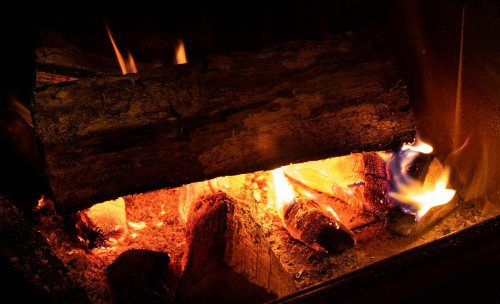
4. Weak or Yellow Flame
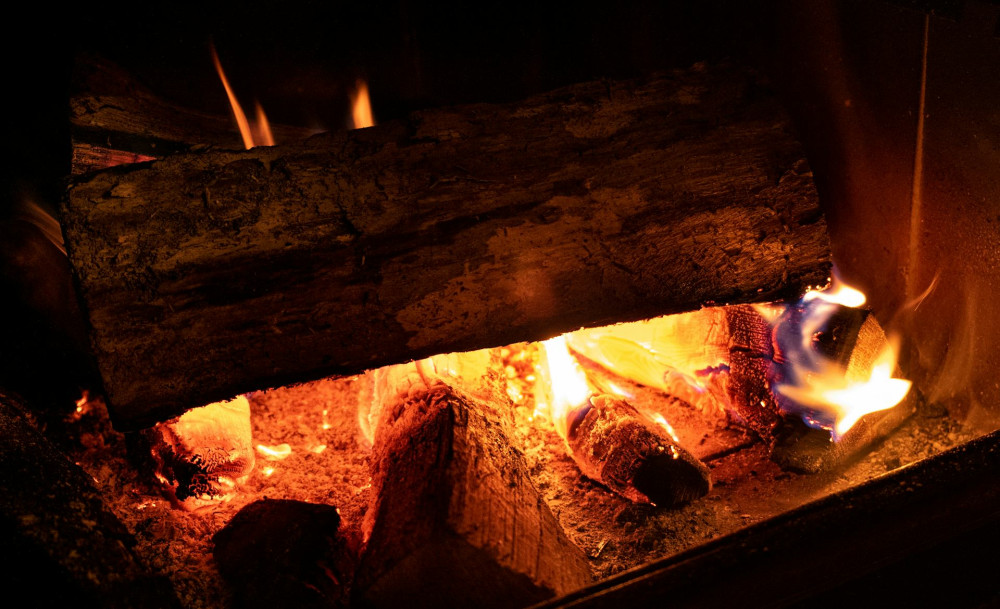
A healthy gas flame should burn steady and blue. A yellow or flickering flame can signal incomplete combustion, which may produce dangerous carbon monoxide.
What you can do: If you notice a yellow flame, turn off the heater and ventilate the area. Do not use the appliance again until it has been inspected by a licensed gas fitter. It’s also wise to install a carbon monoxide alarm in your home for added safety.
5. Unusual Smells or Gas Odour
A strong gas smell is a serious warning sign of a leak. Natural gas has an added odour similar to rotten eggs to help you detect it quickly.
What you should do: Turn off the heater immediately, open windows and doors, and leave the area. Do not use electrical switches or naked flames. Once you’re safely outside, call your gas supplier’s emergency number or dial 000. Never try to locate or fix a gas leak yourself.
6. Higher Gas Bills Without Increased Use
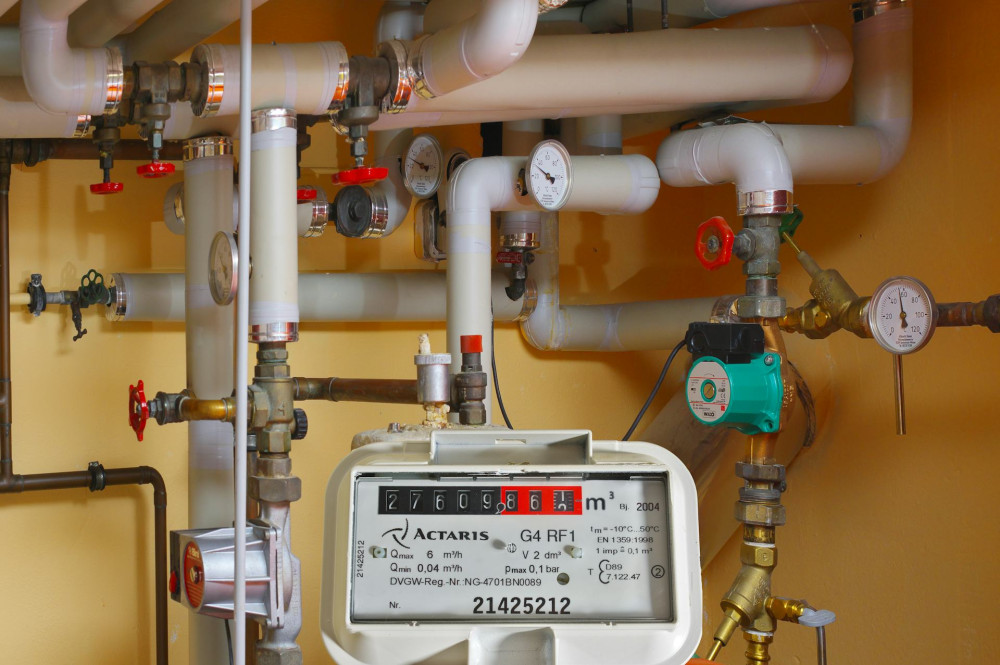
If your gas bill suddenly spikes but your usage hasn’t changed, your heater may be running inefficiently. Dirty burners, poor combustion, or worn components can all reduce efficiency.
What you can do: Book a professional service. A licensed technician can clean the burners, check for leaks, and ensure the system is tuned for optimal performance. Regular servicing not only saves money but also extends the life of your heater.
7. Pilot Light or Ignition Problems
If the pilot light keeps going out or the heater struggles to ignite, there may be an issue with the thermocouple, ignition system, or gas supply.
What you can do: Check that the gas supply is on and that there are no obvious obstructions around the pilot area. If the problem continues, contact a qualified technician. Avoid relighting the pilot repeatedly, as this can be unsafe.
Læs også:
8. Error Codes or Warning Lights
Modern gas heaters often display error codes when something isn’t working correctly. These codes can indicate anything from low gas pressure to sensor faults.
What you can do: Refer to your heater’s manual to identify the meaning of the code. Some issues can be reset, but if the error returns or you’re unsure, arrange for a professional inspection.
Prevent Problems with Regular Servicing
Most gas heater faults can be prevented with regular maintenance. In Australia, it’s recommended to have your gas heater serviced by a licensed gas fitter at least every two years – or annually if it’s used heavily. During a service, the technician will clean, test, and check for carbon monoxide leaks to ensure safe and efficient operation.
A natural gas heater is a reliable and efficient way to stay warm, but it needs attention to stay that way. By recognising early warning signs and arranging timely professional servicing, you can keep your home comfortable, safe, and energy-efficient all year round.
Læs også: