From Oil Heater to New Heating Solution – How to Plan the Transition

From Oil Heater to New Heating Solution – How to Plan the Transition
For decades, oil heaters have provided reliable warmth in many Australian homes, especially in cooler regions such as Tasmania, Victoria, and the Southern Highlands. But with rising fuel costs, changing environmental standards, and the availability of cleaner technologies, more homeowners are now considering a switch to modern, energy-efficient heating systems. Making the transition requires careful planning – financially, technically, and practically. Here’s a guide to help you plan the process and find the right solution for your home.
Why Replace Your Oil Heater?
There are several reasons to move away from oil heating. First, oil is an expensive and carbon-intensive fuel. Switching to a renewable or electric system can significantly reduce both your energy bills and your household emissions. Second, oil heaters require regular maintenance, and spare parts are becoming harder to find as the technology phases out. Finally, many local councils and state governments are encouraging or even mandating the shift toward low-emission heating systems.
Replacing your oil heater is therefore not just an environmental choice – it’s an investment in your home’s comfort, value, and long-term sustainability.
Choosing the Right Heating Solution
Australia’s climate varies widely, so the best alternative depends on where you live, your home’s insulation, and your budget. Here are some of the most common options:
- Reverse-cycle air conditioner (heat pump) – One of the most efficient and popular choices. It provides both heating and cooling, making it ideal for most Australian climates.
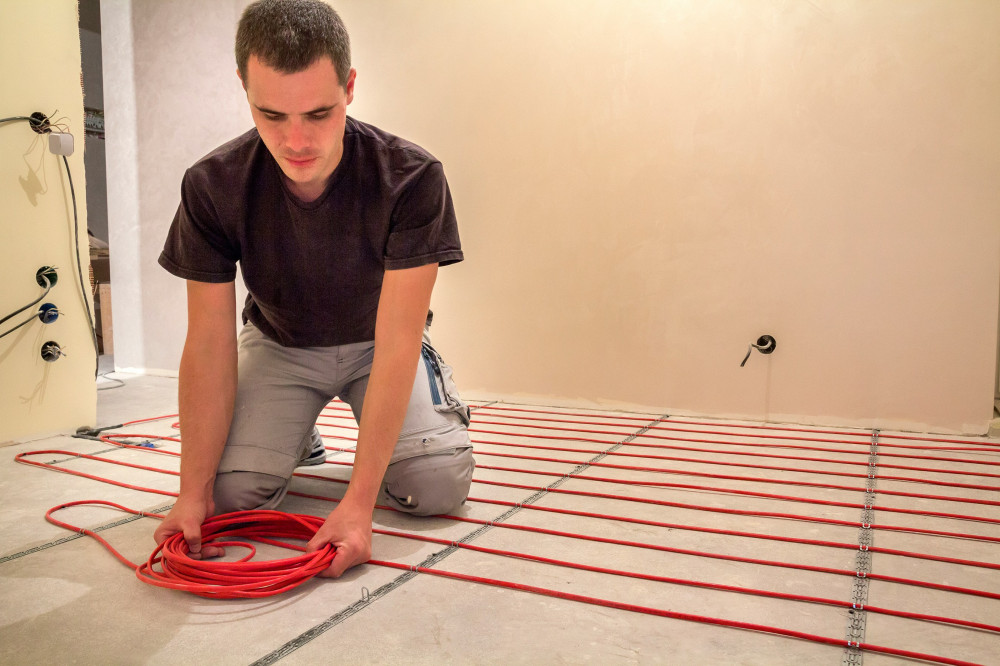
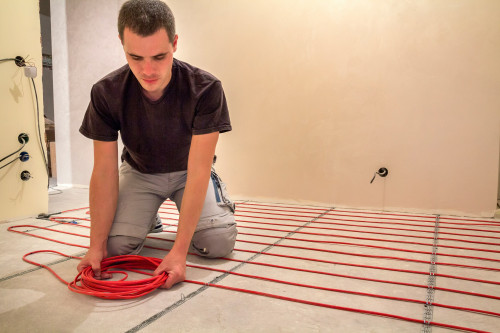
- Hydronic heat pump system – Uses water-filled radiators or underfloor heating to distribute warmth. It’s efficient and comfortable, especially in colder regions.
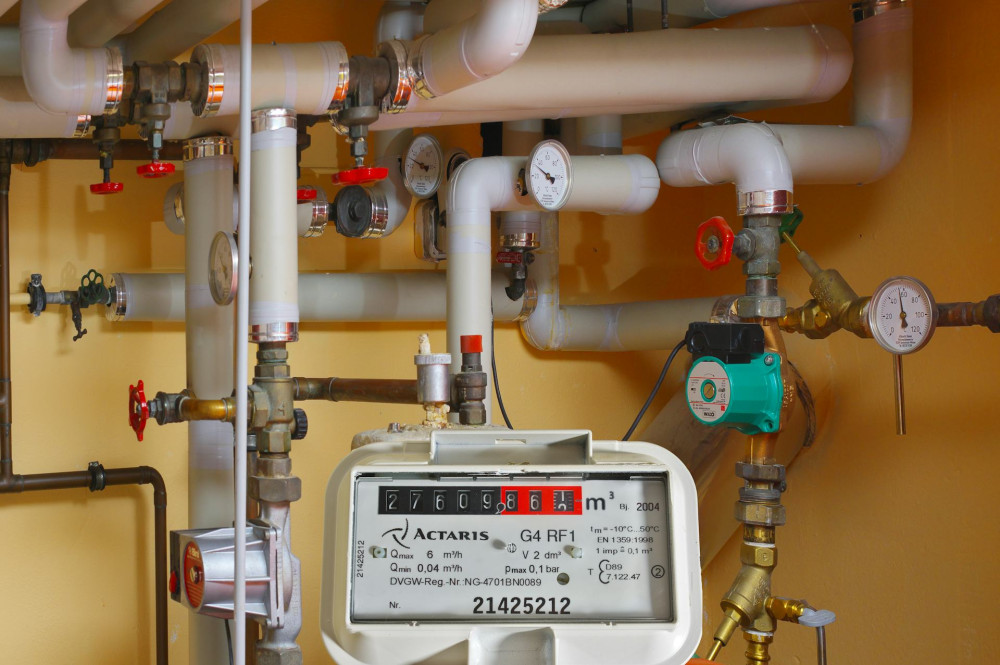
- Gas heating – Still common in some areas, but natural gas prices are rising, and long-term sustainability is limited compared to electric options.
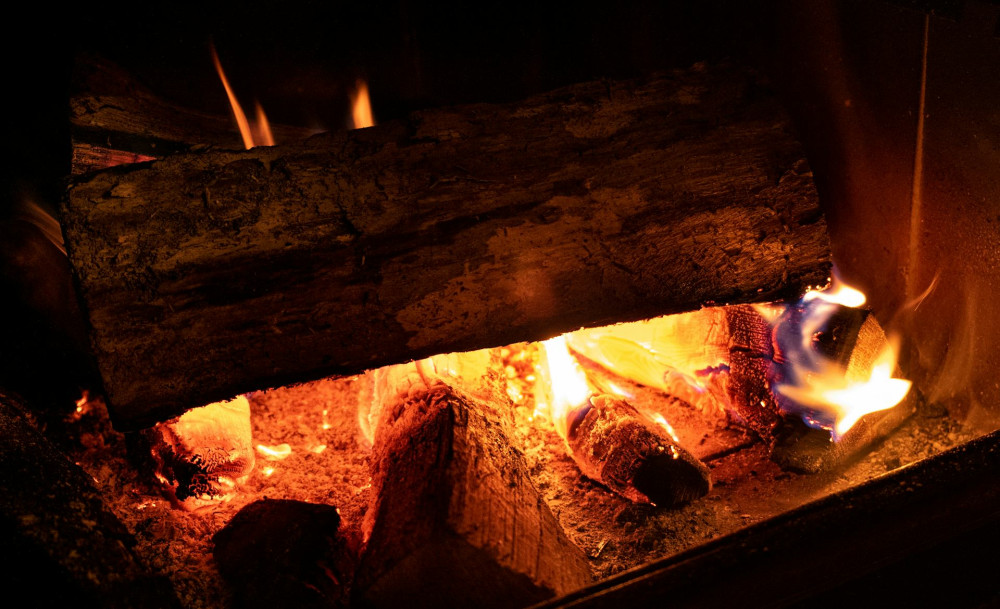
- Wood or pellet heater – Suitable for rural areas with access to sustainable firewood, though it requires more maintenance and produces some emissions.
- Solar-assisted systems – Combining solar panels or solar thermal collectors with a heat pump can further reduce running costs and emissions.
It’s worth consulting an accredited energy assessor or heating specialist to evaluate your home’s needs and recommend the most efficient system for your situation.
Læs også:
Plan Your Budget – and Check for Incentives
Upgrading your heating system is a significant investment, but there are ways to reduce the cost. Federal and state programs such as the Small-scale Renewable Energy Scheme (SRES) and various energy efficiency rebates can help offset installation expenses, particularly for heat pumps and solar systems. Some local councils also offer additional incentives for replacing old oil or gas heaters.
While the upfront cost can be substantial, many homeowners find that lower running costs quickly make up for it. Over five to ten years, the savings on energy bills often outweigh the initial expense. Always compare multiple quotes and check what’s included in terms of warranty, service, and energy performance.
Consider Your Home’s Overall Energy Efficiency
A new heating system will perform best in a well-insulated home. Before installation, it’s a good idea to assess your home’s thermal performance. Upgrading ceiling and wall insulation, sealing draughts, and installing double-glazed windows can all improve comfort and reduce energy use.
An energy audit can help you identify where improvements will have the biggest impact. Combining better insulation with an efficient heating system ensures you get the most value from your investment.
The Replacement Process – Step by Step
Replacing an oil heater usually takes a few days, but preparation is key. Here’s what to expect:
- Assessment and quotes – Contact a licensed installer or energy consultant to evaluate your options and provide detailed quotes.
- Decommissioning the old system – The oil tank must be safely emptied and removed according to environmental regulations.
- Installation of the new system – The new unit is installed, connected, and tested to ensure it integrates properly with your home’s heating setup.
- System tuning and maintenance – After installation, the system should be adjusted for optimal performance. Arrange a regular maintenance schedule to keep it running efficiently.
If possible, plan the replacement outside the coldest months to avoid being without heating during the transition.
Making the Change Smooth and Successful
Switching from an oil heater to a modern heating solution is a major step toward a more sustainable and comfortable home. Start by gathering information, seeking professional advice, and setting a realistic timeline and budget. With the right preparation, the process can be straightforward and rewarding.
Once the new system is in place, you’ll notice the difference – not only in lower energy bills but also in a more consistent, cleaner, and future-ready warmth throughout your home.
Læs også: