How to Reduce Smoke and Particle Emissions from Your Pellet Heater

How to Reduce Smoke and Particle Emissions from Your Pellet Heater
A pellet heater can be an efficient and sustainable way to keep your home warm during the cooler months – but only if it’s running properly. A poorly adjusted or neglected heater can release unnecessary smoke and fine particles, which affect both air quality and your neighbours’ comfort. Fortunately, with a few simple habits and adjustments, you can make your heater burn cleaner and more efficiently. Here’s how to get the best performance from your pellet heater while keeping emissions to a minimum.
Choose High-Quality Pellets
The quality of your pellets has a major impact on how cleanly your heater burns. Low-grade pellets often contain bark, dust, or excess moisture, which can lead to incomplete combustion and more smoke.
- Buy certified pellets – look for pellets that meet recognised standards such as ENplus A1 or local Australian certifications. These have low ash content and consistent quality.
- Check the moisture content – it should be below 10%. Damp pellets burn poorly and create soot.
- Store pellets in a dry place – moisture from concrete floors or humidity can quickly ruin them.
Even small differences in pellet quality can affect both your heater’s efficiency and the amount of visible smoke.
Make Sure Your Heater Is Properly Adjusted
For complete combustion, your pellet heater needs the right balance of fuel and air. Too little air causes smoke and soot; too much air wastes heat up the flue.
- Have a professional service and tune your heater – especially if it’s new or you’ve changed pellet brands.
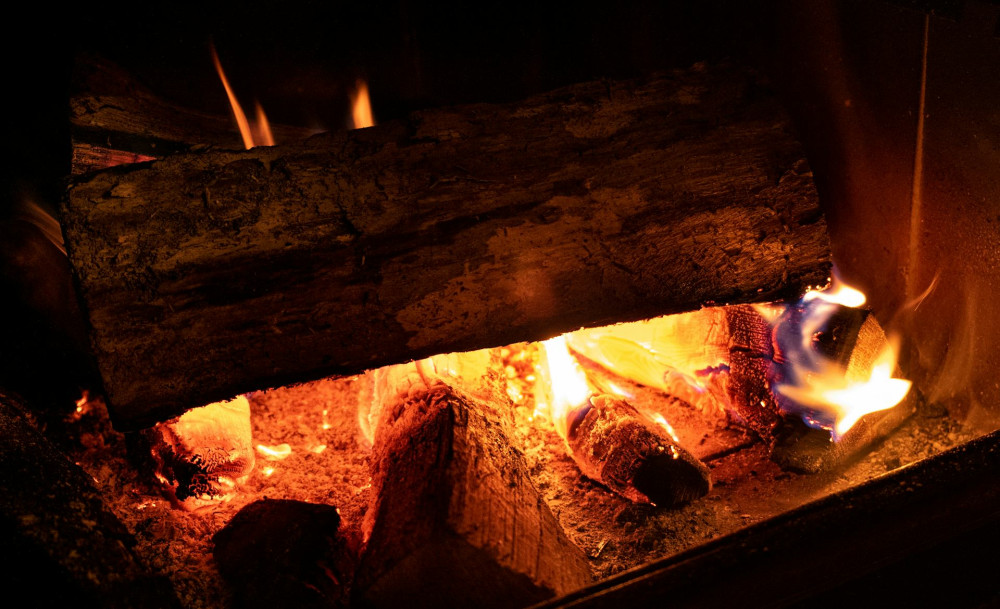
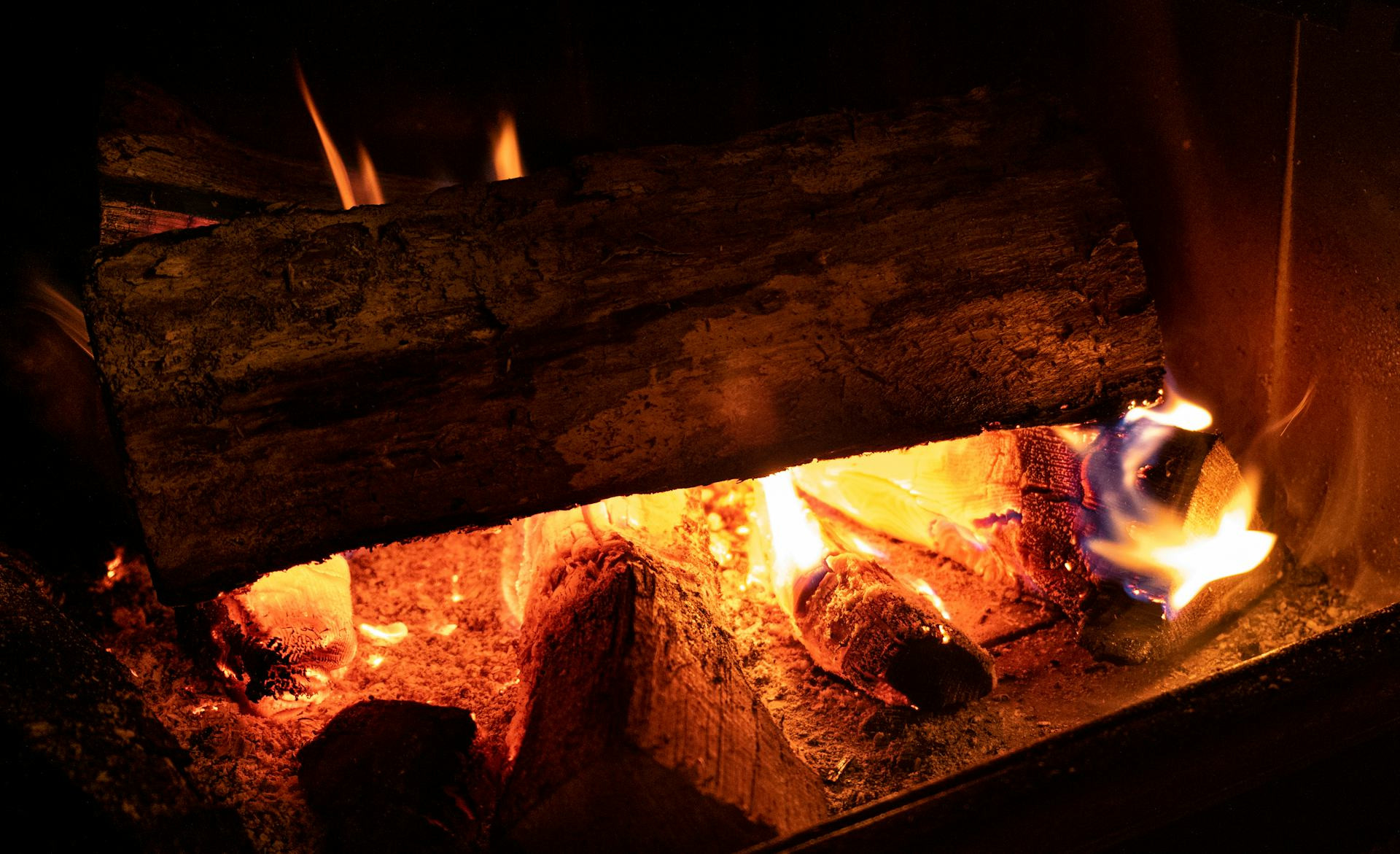
- Watch the flame – it should be bright and steady, not dark or flickering.
- Check the exhaust – light or nearly invisible smoke indicates good combustion, while dark smoke means something’s off.
Many modern pellet heaters have automatic controls, but even these benefit from occasional fine-tuning.
Clean and Maintain Regularly
A clean heater burns better. Ash and soot build-up in the burn pot, heat exchanger, or flue can restrict airflow and increase emissions.
- Empty the ash pan regularly – ideally once a week during the heating season.
- Clean the heat exchanger – this improves efficiency and reduces soot.
- Have the flue inspected and cleaned – at least once a year by a licensed technician, as required in many Australian states.
- Check seals and gaskets – leaks can upset the air balance and cause smoky burns.
Routine maintenance not only reduces emissions but also extends the life of your heater and keeps your home smelling fresh.
Ensure Good Flue Draft
Your flue’s performance is crucial for drawing smoke safely out of the heater. Poor draft can lead to incomplete combustion and visible smoke.
- Keep the flue clean – soot and creosote can block airflow.
- Make sure the flue is tall enough – it should extend above the roofline to create natural draft.
- Consider a flue fan or draft stabiliser – especially if you live in a low-pressure area or a valley where air movement is limited.
A steady draft ensures your heater gets the right amount of air and burns evenly.
Use the Heater Correctly Day to Day
Even the best heater can pollute if used incorrectly. Small changes in daily habits can make a big difference.
- Let the heater run steadily rather than turning it on and off frequently – this allows for cleaner combustion.
- Avoid overloading the burn pot – too many pellets can smother the flame.
- Keep the room ventilated – fresh air helps maintain proper combustion.
- Follow the manufacturer’s instructions for operation and cleaning.
If you notice smoke or a strong odour, act quickly – it’s a sign that something isn’t working as it should.
Consider Upgrading or Replacing an Old Heater
If your pellet heater is more than 10–15 years old, it may be time to consider an upgrade. Newer models are far more efficient and produce fewer emissions.
- Check the energy rating – modern heaters often feature automatic cleaning and oxygen sensors for optimal combustion.
- Look into rebates or incentives – some Australian states and territories offer support for replacing older wood or pellet heaters.
- Explore alternatives – such as reverse-cycle air conditioners or heat pumps, which provide low-emission heating options.
A new heater can quickly pay for itself through lower fuel use and cleaner operation.
Læs også:
Clean Heat for a Healthier Home and Environment
A pellet heater can be a sustainable and cost-effective heating solution, but it requires care and attention. By choosing quality pellets, keeping your heater well-tuned, and maintaining it regularly, you can significantly reduce smoke and particle emissions. The result is more warmth for your money, cleaner air for your community, and a smaller environmental footprint – a win for both you and the planet.
Læs også: