Keep Your Home Cool in Summer – Without Increasing Energy Use

Keep Your Home Cool in Summer – Without Increasing Energy Use
When the Australian summer hits, the heat can be relentless. Many households rely on air conditioning to stay comfortable, but that can send energy bills soaring and put pressure on the power grid. Fortunately, there are plenty of smart, low-energy ways to keep your home cool and comfortable. Here are some practical tips to help you beat the heat while keeping your energy use in check.
Make Shade Your Best Friend
The sun is the biggest source of heat in your home, so controlling how much sunlight enters can make a huge difference.
- Block the sun during the day – Close curtains, blinds, or shutters, especially on north- and west-facing windows. Reflective or thermal blinds can significantly reduce heat gain.
- Use outdoor shading – Awnings, pergolas, or shade sails can protect windows and outdoor areas from direct sunlight. Planting native trees or tall shrubs can also provide natural shade and help cool the surrounding air.
- Let the cool air in at night – Once the temperature drops, open windows and doors to let cooler air flow through your home.
Encourage Natural Ventilation
Good airflow is one of the most effective and energy-free ways to cool your home. Open windows on opposite sides of the house to create cross-ventilation. If you live in a two-storey home, open upstairs windows to let hot air escape while drawing cooler air in from downstairs.
You can also place a bowl of ice or a damp cloth in front of a fan for a temporary cooling effect without using much electricity.
Reduce Indoor Heat Sources
Many household appliances generate heat even when you’re not using them.
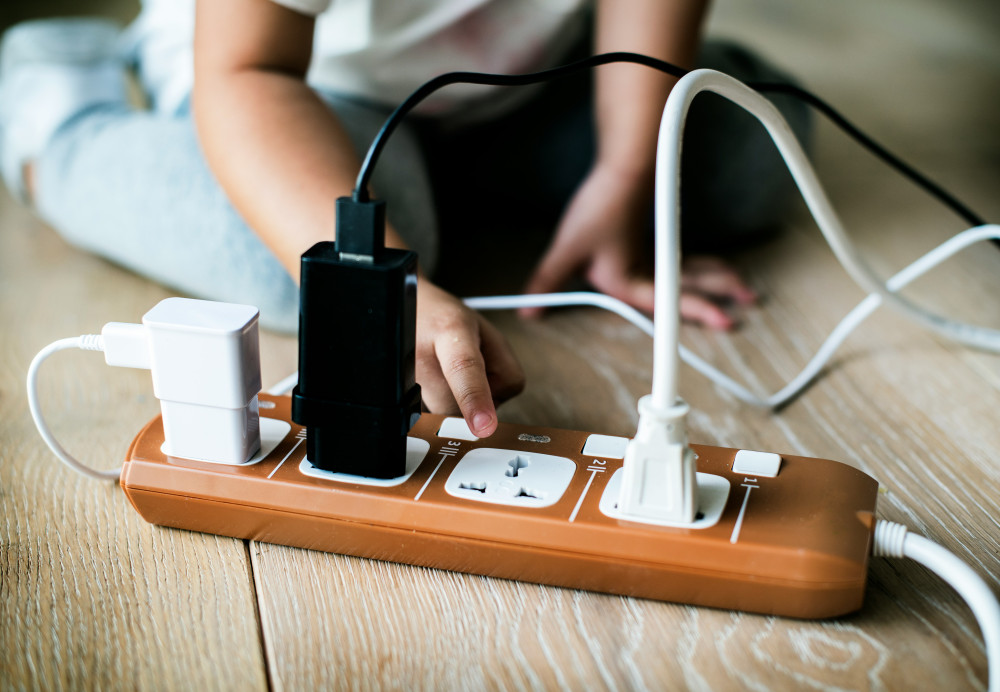
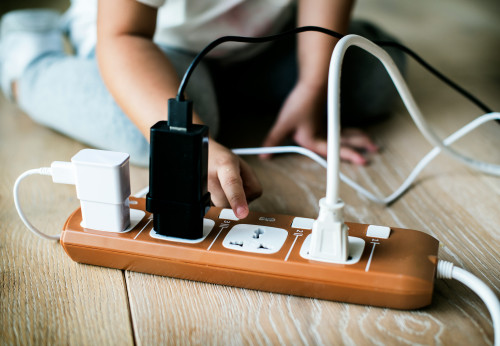
- Turn off electronics and chargers when not in use – standby power still produces heat and wastes energy.
- Avoid using the oven or stove during the hottest part of the day. Opt for salads, barbecues, or outdoor cooking instead.
- Switch to LED lighting – it uses less energy and emits far less heat than traditional bulbs.
Small changes like these can noticeably lower indoor temperatures.
Insulate Against the Heat
Insulation isn’t just for winter. It also helps keep the heat out during summer. Check your roof, walls, and windows for gaps or leaks where hot air can enter. Weather stripping around doors and windows can help maintain a cooler indoor environment.
If your roof space gets extremely hot, consider adding or upgrading insulation. A well-insulated ceiling can prevent heat from radiating into living areas below.
Use Fans Wisely
Fans don’t cool the air, but they make you feel cooler by moving it around. Position fans near windows in the evening to draw in cooler air, or use ceiling fans set to rotate counterclockwise to circulate air effectively.
Remember to turn fans off when you leave the room – they cool people, not spaces.
Add a Touch of Green
Indoor plants can help cool your home naturally. Through transpiration, they release moisture into the air, which can slightly lower the temperature. Choose hardy, low-maintenance plants like peace lilies, ferns, or rubber plants that thrive in warm conditions.
Outside, greenery such as climbing vines or garden beds near walls can reduce heat absorption and create a cooler microclimate around your home.
Læs også:

Think Long-Term and Sustainable
Keeping your home cool without increasing energy use is about combining small, thoughtful actions. Shade, ventilation, insulation, and mindful use of appliances all work together to create a comfortable indoor climate.
With a bit of planning and some smart adjustments, you can enjoy a cooler, more sustainable home this summer – and save on energy costs while you’re at it.
Læs også: