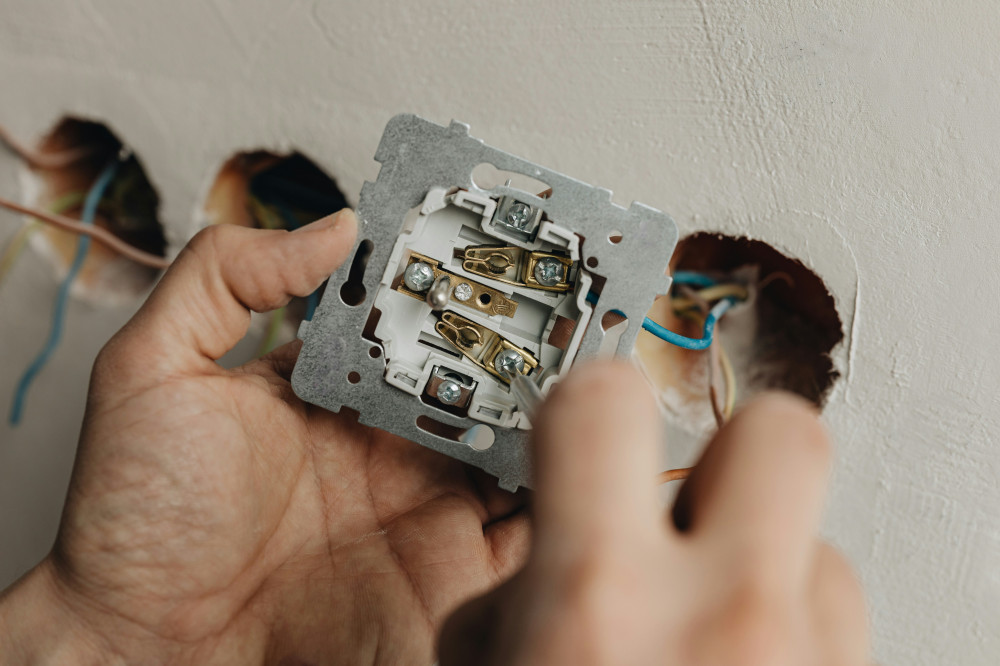
Learn Electrical Work Through Hands-On Exercises

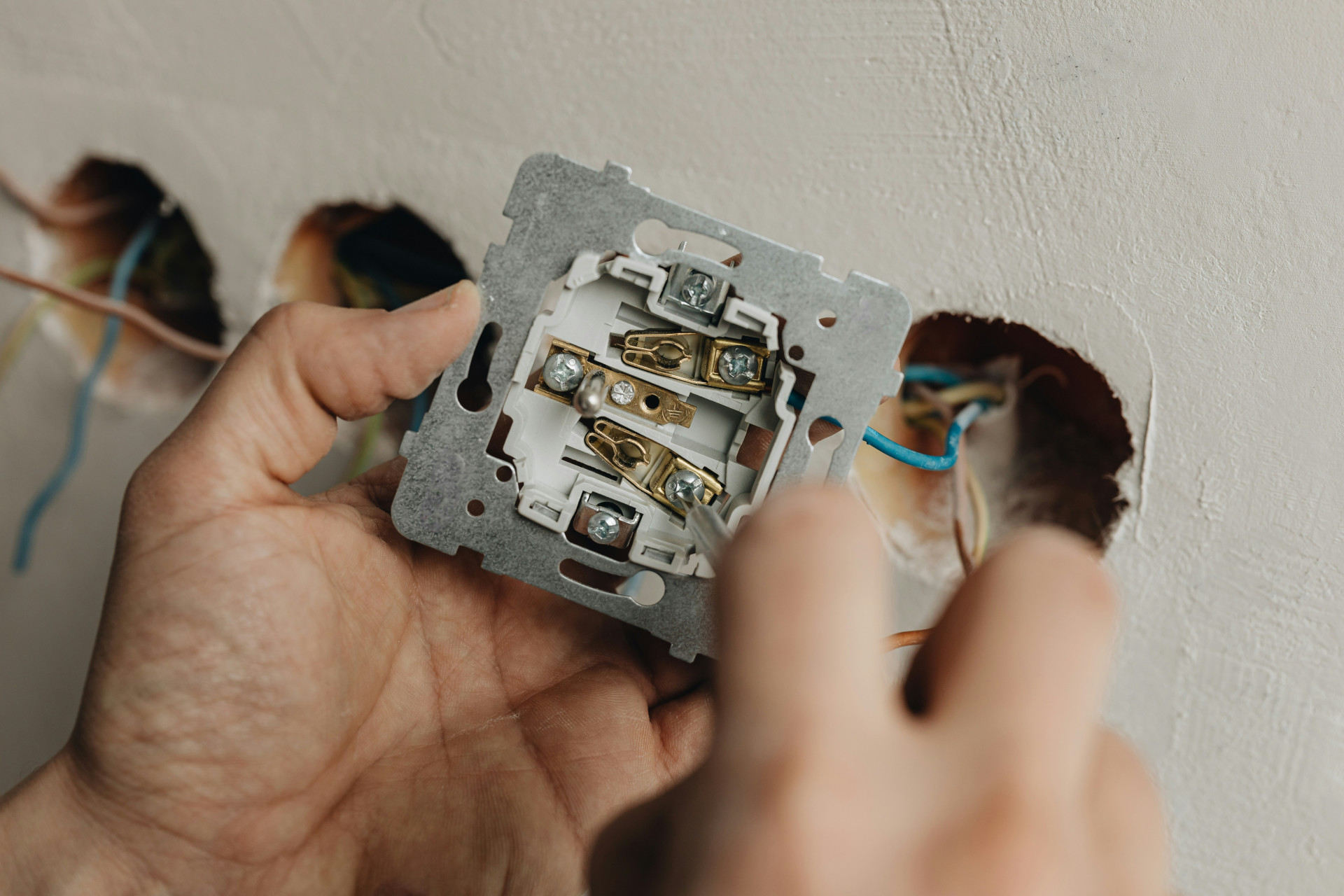
Learn Electrical Work Through Hands-On Exercises
Learning electrical work isn’t just about reading manuals or memorising safety codes – it’s about getting your hands on the tools and understanding how electricity behaves in real situations. Practical experience helps you see how circuits function, how components interact, and why safety is always the top priority. Here’s how you can learn electrical work through hands-on exercises in a safe, structured, and rewarding way.
Start with the Basics
Before you start cutting wires or connecting plugs, it’s essential to understand the fundamentals. Voltage, current, and resistance form the foundation of all electrical work. Spend some time learning about Ohm’s Law and the key symbols used in circuit diagrams – this knowledge will make your practical exercises much easier to follow.
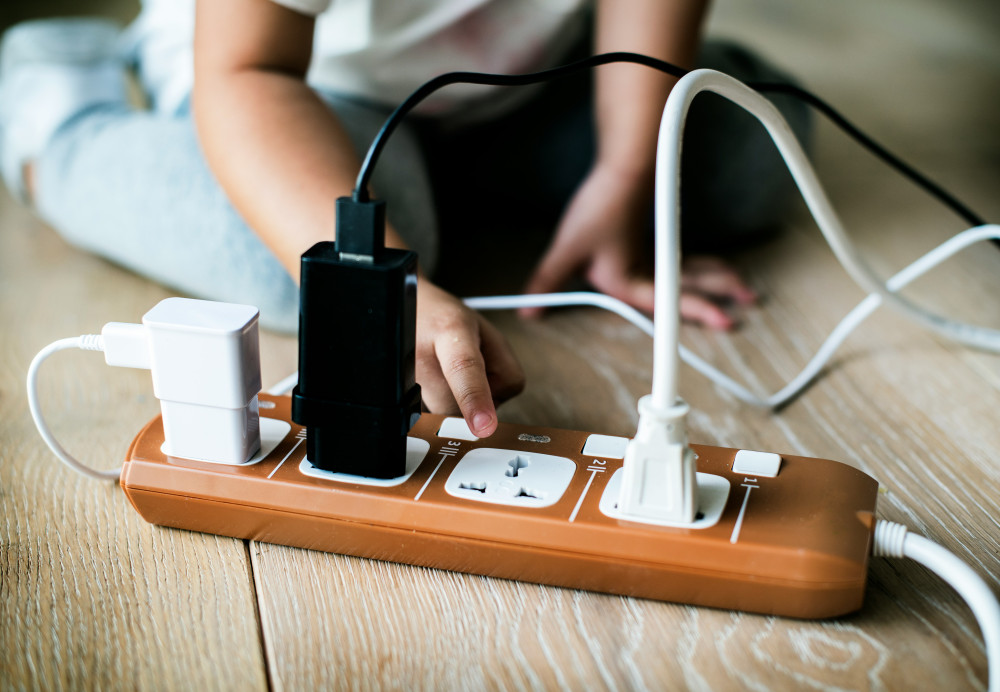
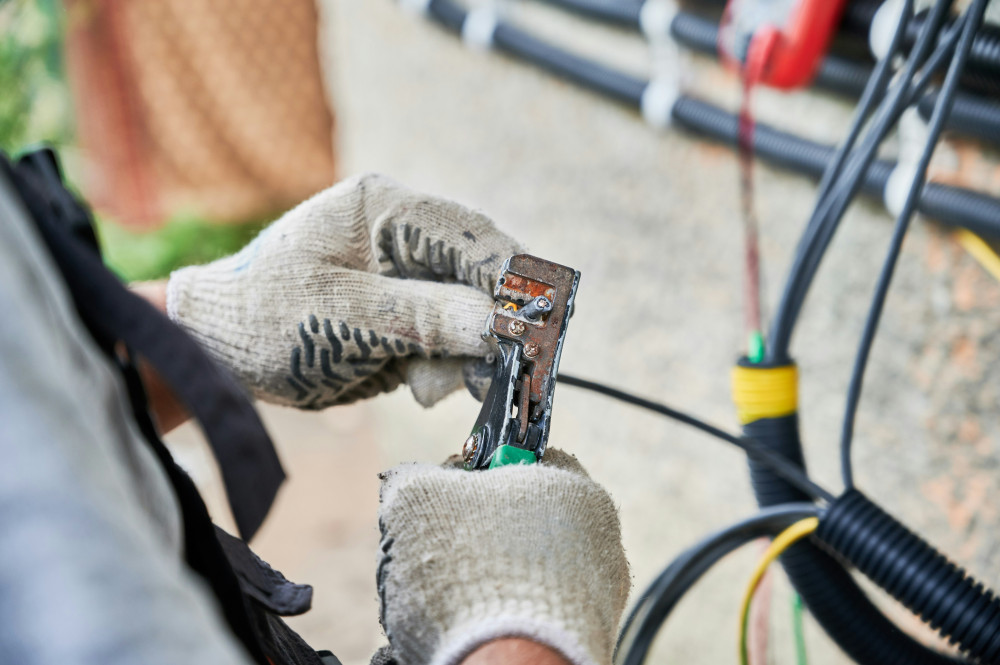
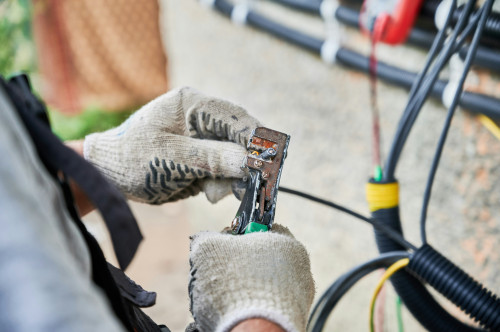
Once you’ve got the theory down, begin with small, low-risk exercises. Try stripping insulation from wires, assembling extension leads, or replacing a plug. These tasks don’t require a licence and will help you get comfortable with the materials and tools you’ll be using.
Practise Reading and Building Circuits
A circuit diagram is like a map for an electrician. It shows how components connect and how current flows through the system. Start with simple circuits – for example, one that includes a light bulb, a switch, and a power source.
After you can read and understand these basic diagrams, try building them on a practice board or breadboard. This hands-on approach helps you see how theory translates into real-world function and how small mistakes in wiring can cause faults or failures.
Safe Practice at Home
In Australia, there are strict rules about what electrical work you can legally do yourself. Anything involving fixed wiring or installations must be done by a licensed electrician. However, there are still plenty of safe and legal ways to practise and learn at home, such as:
- Replacing a plug or assembling an extension lead – a great way to learn about wire colours and correct connections.
- Changing a light fitting or lamp holder – as long as you’re not altering the fixed wiring.
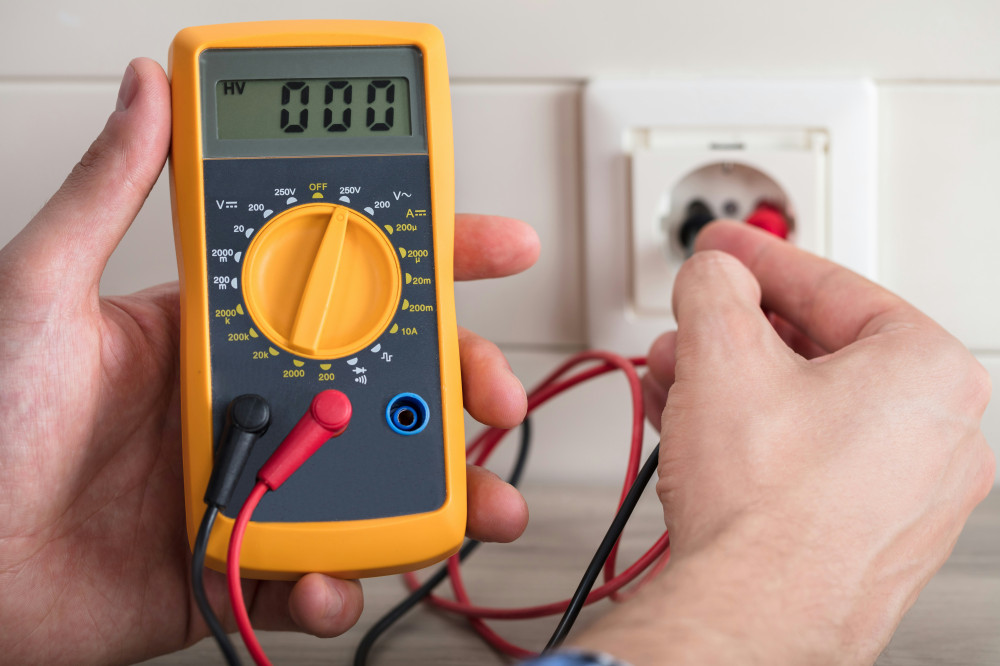
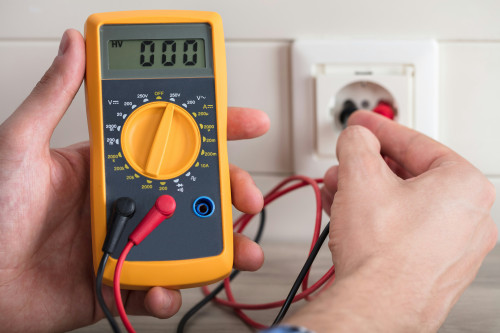
- Using a multimeter – practise measuring voltage, resistance, and continuity to safely troubleshoot circuits.
- Building small battery-powered circuits – an excellent way to understand current flow and how components like resistors and LEDs work.
Always turn off the power before working on anything connected to mains electricity. Use a voltage tester to confirm that the circuit is de-energised, and never take risks if you’re unsure.
Learn from Courses and Professionals
While self-study is valuable, taking a course can accelerate your learning. Many TAFEs, community colleges, and online platforms across Australia offer introductory electrical courses that combine theory with practical exercises. Under the guidance of qualified instructors, you’ll gain confidence and learn proper techniques.
If you know a licensed electrician, ask if you can observe their work. Watching a professional in action provides insight into safe work practices, planning, and problem-solving – skills that are just as important as technical knowledge.
Safety Comes First
Electrical work can be dangerous if done incorrectly. In Australia, only licensed electricians are permitted to perform work on fixed wiring, power points, and switches. Always check your state or territory’s regulations before starting any project.
When practising, use the right tools and protective gear. Insulated screwdrivers, safety glasses, and a clean, dry workspace are essential. Make safety a habit – it’s one of the most valuable skills you can develop.
Læs også:

Make Learning a Continuous Journey
Becoming confident with electrical work doesn’t happen overnight. It takes patience, curiosity, and a willingness to learn from mistakes. Start small, build your skills gradually, and always prioritise safety.
By combining theory, hands-on exercises, and respect for the rules, you’ll develop a solid understanding of how electricity works – and gain the satisfaction of mastering a practical, lifelong skill.
Læs også: