Understanding Phase Distribution – The Key to a Safe Electrical Installation

Understanding Phase Distribution – The Key to a Safe Electrical Installation
When you switch on the lights, start the kettle, or plug in your electric vehicle, you probably don’t think about how electricity is distributed throughout your home. Yet behind every power point lies a system where correct phase distribution plays a crucial role in both safety and efficiency. Poor distribution can lead to overloaded circuits, unstable operation, and in the worst case, fire hazards. Here’s an introduction to what phase distribution means, why it matters, and how to ensure your electrical installation is safe and reliable.
What Does Phase Distribution Mean?
In Australia, electricity is typically supplied as three-phase alternating current (AC). This means there are three active conductors (phases), each carrying current that peaks at different times. In most homes, only one phase is used for general power and lighting circuits, while larger appliances – such as air conditioners, ovens, or EV chargers – may use all three phases to balance the load more evenly.
Phase distribution refers to how these three phases are allocated across the circuits in your home. A well-balanced distribution ensures that no single phase is overloaded and that the electrical system operates efficiently.
Why Is Correct Phase Distribution Important?
An uneven phase distribution can cause several issues:
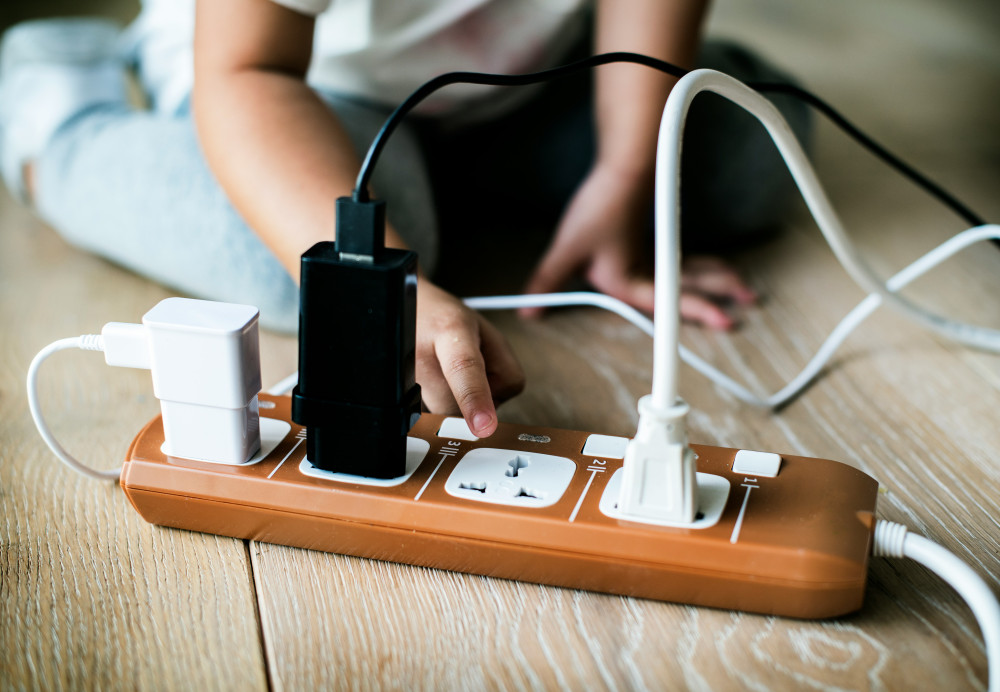
- Overloading one phase – if too many appliances are connected to the same phase, circuit breakers may trip, or wiring could overheat.
- Voltage imbalance – uneven loading can cause voltage fluctuations that affect sensitive electronics and reduce equipment lifespan.
- Reduced efficiency – the power network operates best when loads are balanced. Poor distribution can lead to energy losses and higher electricity costs.
- Safety risks – overheating and overloading can increase the risk of electrical fires or damage to your installation.
For these reasons, phase distribution isn’t just a technical detail – it’s a key safety consideration in every home and business.
How Phases Are Distributed in Practice
When a licensed electrician designs or upgrades an installation, they assess how the electrical load is spread across the three phases. Typically, they will:
- Assign different circuits to different phases – for example, lighting on one phase, general power outlets on another, and heavy appliances on the third.
- Ensure that high-demand appliances such as electric ovens, air conditioners, or EV chargers are connected across all three phases where possible.
- Check that the neutral conductor (the return path for current) is not overloaded, which can happen if the phases are unbalanced.
For new builds or major renovations, it’s important to carry out a load calculation to ensure the system is balanced from the start.
When Should You Have Your Phase Distribution Checked?
Although phase distribution doesn’t usually change during everyday use, imbalances can develop over time – especially if you add new high-power devices. You should consider having your system checked if:
- You’ve installed an EV charger, solar system, or large air conditioner.
- Circuit breakers trip frequently without an obvious cause.
- You live in an older home where the wiring may not meet current standards.
- You’re planning a renovation or electrical upgrade.
A professional check of your phase distribution is a small investment that can prevent costly and dangerous problems later.
Læs også:

Professional Help Is Essential
Phase distribution is not something to adjust yourself. It requires specialised equipment, technical knowledge, and compliance with Australian Standards such as AS/NZS 3000:2018 (the Wiring Rules). A licensed electrician can:
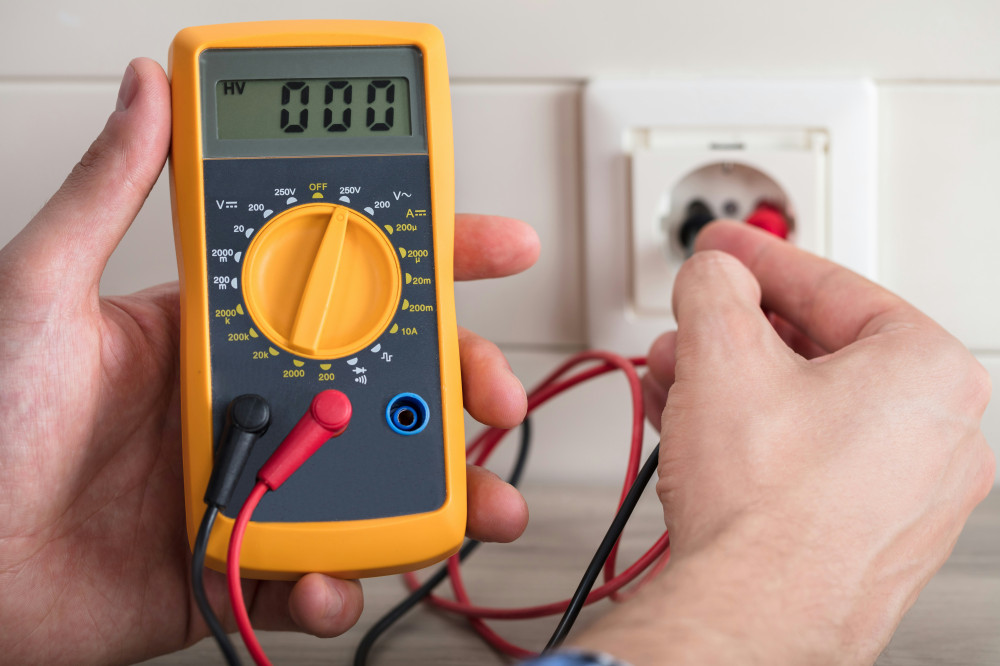
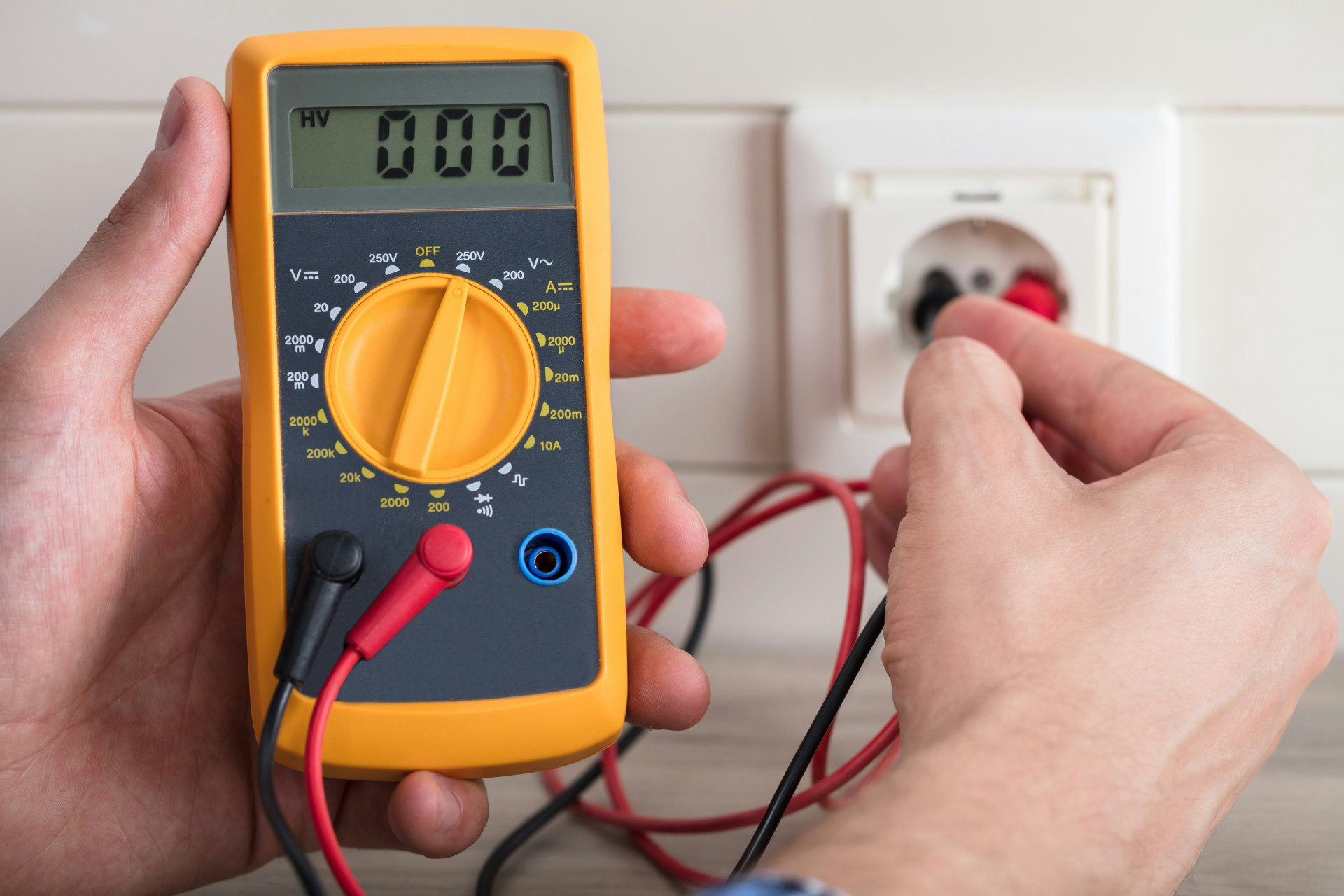
- Measure the load on each phase.
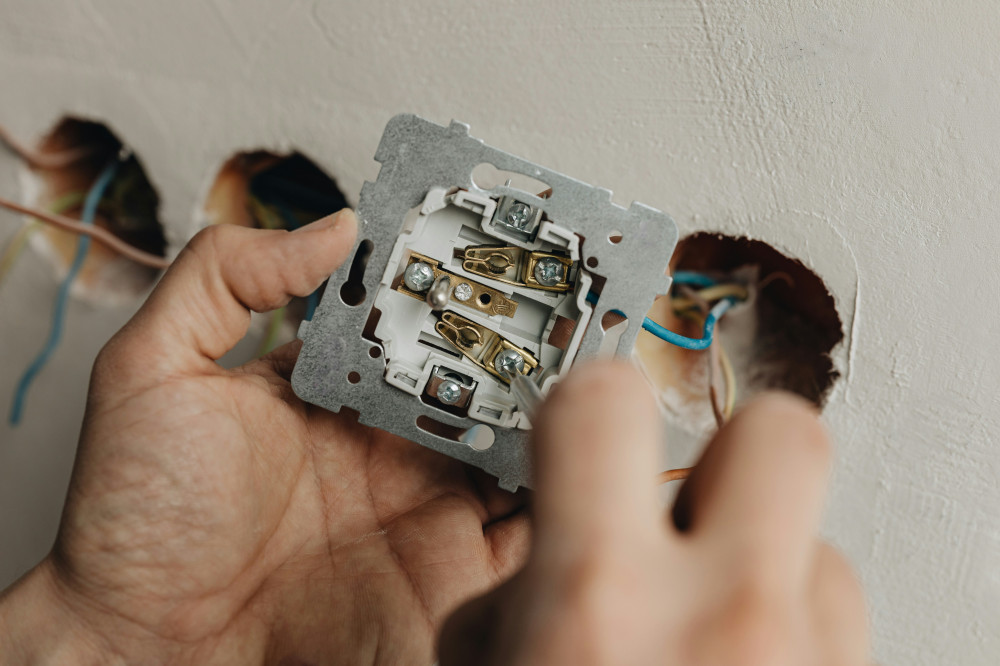
- Rebalance circuits in the switchboard if necessary.
- Ensure your installation meets state and national safety regulations.
- Provide advice on future-proofing your system, especially if you plan to add solar panels, battery storage, or EV charging.
This professional oversight ensures both safety and long-term reliability.
A Hidden but Vital Part of Electrical Safety
Phase distribution may not be visible, but it’s one of the most important factors in keeping your electrical system safe and efficient. A well-balanced load protects your appliances, reduces energy waste, and minimises the risk of electrical faults.
So next time you’re upgrading your home’s electrical system, ask your electrician: How’s the phase distribution looking? The answer could be the key to years of safe, stable, and efficient power in your home.
Læs også: