Monitor Your Indoor Climate: Adjust Your Home’s Insulation as Needed Over Time


Monitor Your Indoor Climate: Adjust Your Home’s Insulation as Needed Over Time
A comfortable indoor climate isn’t just about air conditioning or heating – it’s also about how well your home is insulated. Many Australians think of insulation as a one-time job, but in reality, your home’s needs can change over time. Shifts in weather patterns, new materials, and changes in how you use your home can all affect how well your insulation performs. By monitoring your indoor climate and adjusting insulation when needed, you can save energy, improve comfort, and extend the life of your home.
Why Your Indoor Climate Changes
Indoor comfort is influenced by temperature, humidity, ventilation, and air quality. Over time, small changes in your home’s structure – such as worn seals, ageing windows, or renovations – can upset the balance. Australia’s climate is also becoming more unpredictable, with hotter summers, more intense rainfall, and occasional cold snaps. These shifts place new demands on how your home retains or releases heat.
Start by paying attention to how your home feels throughout the year. Are some rooms uncomfortably hot in summer or chilly in winter? Do you notice condensation on windows or musty smells in corners? These are signs that your insulation or ventilation may need attention.
Regularly Assessing Your Insulation
Instead of waiting for problems to become obvious, it’s wise to check your insulation annually. A simple inspection can reveal a lot:
- Roof and ceiling: Look for damp spots, discolouration, or sagging insulation – these can indicate leaks or poor coverage.
- Walls: If walls feel hot to the touch in summer or cold in winter, the insulation may have settled or become less effective.
- Windows and doors: Check seals and frames for gaps. Even small drafts can lead to significant energy loss.
- Floors and underfloor areas: In cooler regions, cold floors may suggest missing or deteriorated insulation beneath the house.
Keeping notes from year to year helps you track changes and decide when it’s time to act.
New Materials and Smart Technology
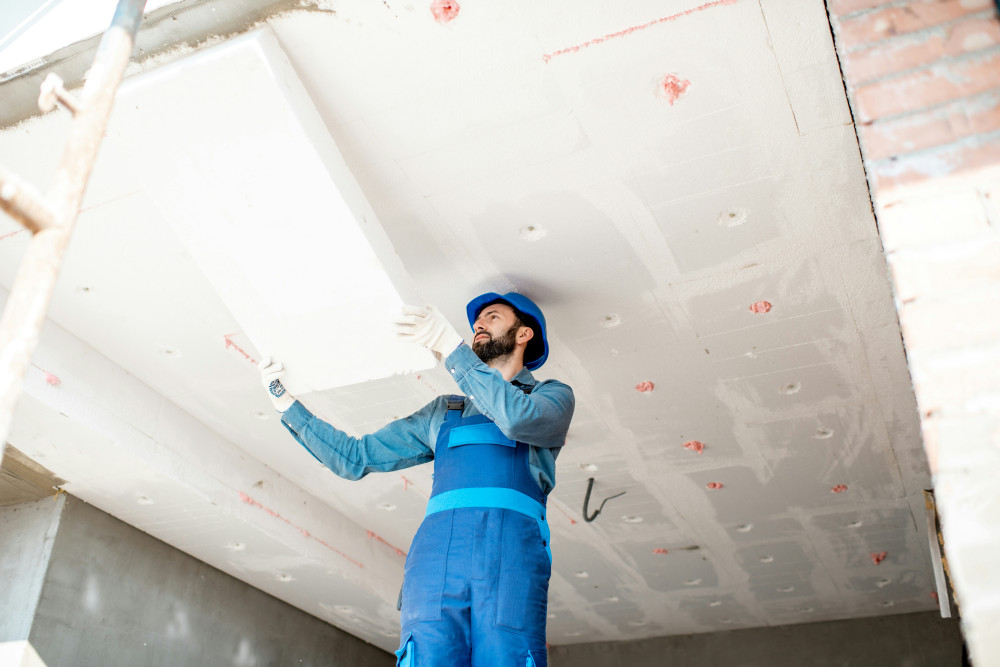
Insulation technology has come a long way. Beyond traditional glass wool, there are now eco-friendly and high-performance options such as recycled cellulose, sheep’s wool, hemp, and advanced foams. Some materials are better at managing moisture, while others offer higher thermal resistance in thinner layers – ideal for retrofits.
Smart home technology can also help you monitor your indoor climate. Affordable sensors can track temperature, humidity, and CO₂ levels in real time. When combined with your energy usage data, these insights can highlight where your home is losing heat or gaining unwanted warmth, guiding you toward the most effective improvements.
Adjusting for Lifestyle and Use
Insulation isn’t just about the building – it’s about how you live in it. If your household has changed, your insulation needs might too. For example, if you’ve converted a garage into a home office or added a granny flat, those spaces may need extra insulation to stay comfortable year-round. Conversely, if certain rooms are rarely used, you might adjust heating, cooling, or ventilation in those areas to save energy.
In many parts of Australia, especially in warmer climates, it’s also important to think about heat management. Combining insulation with shading, reflective roofing, or ventilated roof spaces can help keep your home cooler in summer while still retaining warmth in winter.
Læs også:


When It’s Time to Upgrade
While small fixes can go a long way, there comes a point when a full upgrade is worth considering. If your insulation is more than 20–30 years old, or if your energy bills are noticeably higher than similar homes, a professional energy assessment can be a smart investment.
An assessor can use thermal imaging and airflow tests to pinpoint exactly where your home is losing energy. From there, you can prioritise improvements – perhaps topping up ceiling insulation, sealing gaps, or upgrading wall and underfloor insulation.
A Comfortable, Efficient Home for the Long Term
Monitoring your indoor climate is ultimately about creating a home that feels good to live in – no matter the season. By staying alert to small changes, using modern tools, and adjusting insulation as needed, you can maintain a healthy, efficient, and resilient home.
It’s not a one-off task but an ongoing part of home maintenance, much like checking your roof or repainting the exterior. The reward is a more comfortable living environment, lower energy costs, and a home that adapts gracefully to Australia’s changing climate.
Læs også: